In 2026, cardboard storage boxes are no longer simple brown containers. Buyers now compare strength, size, print quality, sustainability, and total handling cost. A box may hold winter clothing, archived files, retail inventory, or fragile household items. Each use demands a different structure.
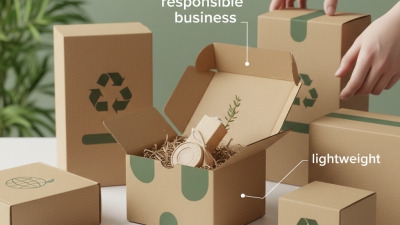
Dennis Colley, former president and chief executive of the Fibre Box Association, has emphasized, “Corrugated packaging is sustainable by design.” That view helps explain why cardboard storage boxes remain popular. Corrugated fiber uses a lightweight construction, protects contents with air-filled fluting, and can usually enter established recycling systems. However, sustainability is not automatic. Oversized boxes waste material. Wet cardboard loses strength quickly. Heavy coatings may complicate recovery.
This guide examines the top types of cardboard storage boxes for buyers in 2026. It considers regular slotted cartons, archive boxes, telescoping boxes, die-cut designs, wardrobe cartons, and heavy-duty double-wall options. The comparison will focus on practical details, including stacking behavior, lid security, carrying comfort, moisture exposure, and storage efficiency. Small details matter. A weak handhold can tear during moving. A loose lid can collect dust. A box that looks inexpensive may cost more after repeated replacement.
There is no perfect box. Buyers must match construction with real use, not attractive packaging claims. The best choice balances protection, price, dimensions, and responsible material recovery. Some conclusions may remain debatable, especially where supplier specifications differ. That uncertainty deserves attention.
Cardboard storage boxes are containers made from paper-based board, usually folded into a rigid shape. Many use corrugated cardboard, with a fluted layer between two flat liners. This structure adds cushioning and stacking strength without making the box heavy. Smaller paperboard boxes suit documents, cables, or lightweight household items. Corrugated cartons work better for books, seasonal clothing, and packed equipment.
In practical use, box size matters more than many buyers expect. A half-filled large carton may collapse when lifted. A tightly packed one may split at the seams. Measure the stored items first, then allow a little space for wrapping material. I prefer double-wall construction for dense objects, especially books. Still, stronger cardboard is not always better. It can cost more, take more room, and become awkward to carry.
Storage conditions also affect performance. Cardboard absorbs moisture, so damp basements and uncovered floors can weaken it quickly. Keep boxes on shelves or raised pallets, away from leaks and direct sunlight. Check the load rating printed by the supplier, but treat it as guidance rather than a guarantee. Actual strength changes with humidity, handling, and stacking time. That part is easy to overlook. A clean, dry box may last for years, yet repeated dragging can damage its corners within days. Personally, I would inspect every box before reuse, because small creases often reveal hidden weakness.
Cardboard storage boxes are foldable paperboard containers used to organize, protect, move, and archive items. The chart compares common box types by calculated internal volume.
Archive and file boxes are suited to documents, book boxes fit compact personal collections, moving boxes provide general-purpose storage, and wardrobe boxes are designed for hanging garments. Volumes are calculated from the nominal internal dimensions shown below; actual capacities vary by construction and manufacturer.
Cardboard storage boxes are classified by structure, material strength, closure, and intended use. Corrugated boxes contain fluted layers between flat liners. They suit books, tools, kitchenware, and heavier household items. Single-wall construction works for ordinary storage, while double-wall board offers greater crush resistance. However, thicker is not always better. It can increase cost and consume more storage space.
Folding cartons use creased paperboard and usually arrive flat. They suit lighter products, documents, and neatly arranged small items. Rigid paperboard boxes hold their shape and provide a cleaner presentation. Archive boxes often include reinforced edges, lids, or hand holes. Die-cut boxes use shaped panels for quick assembly. Mailer-style boxes include locking flaps and reduce the need for extra sealing materials. Classification can overlap, which sometimes confuses new buyers.
Tips: Check the box’s internal dimensions, not only its external size. Test the bottom with the intended load. Look for crushed corners or weak folds. Moisture resistance matters in garages and storage rooms. A dry box lasts longer. I once selected a strong box that was too large, leaving contents unstable during handling. That mistake reminded me to match board grade with weight, shape, and storage conditions. Ask suppliers for compression data when stacking is important. Even small differences in fluting can affect performance.
In 2026, buyers need cardboard storage boxes that match the stored item, not just the room. Corrugated shipping boxes suit heavier goods and frequent handling. Their fluted inner layer cushions impacts and improves stacking strength. Double-wall versions offer better support for books, tools, and seasonal equipment. Check the rated load carefully. A thick-looking box can still fail when its bottom is weak.
Archive boxes work well for documents, receipts, photographs, and office records. Choose models with fitted lids, label panels, and neutral interiors. Some designs include hand holes for easier lifting. Avoid overfilling them. Paper becomes surprisingly heavy. Foldable storage boxes are useful in bedrooms, classrooms, and small offices because they collapse when empty. However, their fabric-covered surfaces may collect dust and require gentler cleaning.
Modular boxes fit buyers who want a consistent storage system. Matching widths make shelves easier to organize, while open-front styles improve daily access. Drawer-style cardboard boxes are practical for cables, craft supplies, and small household items. For fragile contents, use dividers or crumpled paper instead of leaving empty space. Moisture remains a weakness. Store cardboard above the floor and away from damp walls. I once measured a box only by length and width, then discovered the lid blocked the shelf. That mistake changed my buying checklist. Verify internal dimensions, closure style, stacking limits, and recycling instructions before ordering. The cheapest option is not always the most dependable.
Buyers should compare board strength, box dimensions, and stated load capacity. A thicker wall is not always better. Poorly fitted flaps can still collapse under pressure. Check whether the box uses single-wall or double-wall construction for the intended load.
Measure shelves, storage rooms, and the items themselves before ordering. A box should hold contents without forcing the sides outward. Stackable designs need flat tops, reinforced corners, and stable bases. Built-in handles improve carrying, but weak cutouts may tear after repeated use. Test one filled box before purchasing a large quantity.
Cardboard stored near floors, windows, or cold walls can soften quickly. Look for a suitable coating, while checking whether it affects recyclability. Easy assembly saves labor, especially when staff prepare many boxes daily. Clear labeling areas reduce sorting mistakes. I once chose boxes that looked economical, but their shallow bases wasted shelf space. That decision needed more practical testing. Reliable sellers should provide dimensions, material details, load guidance, and consistent sample quality. Ask for samples. Inspect seams, fold lines, and odor before committing. Cost matters, but replacement waste may matter more.
How to Choose the Right Cardboard Storage Box
Choosing cardboard storage boxes starts with the items, not the box’s appearance. Measure the contents carefully, including handles, cables, and protective wrapping. Leave a small gap for easy removal. A tight fit can crush corners or strain the box during lifting. For books and files, choose rigid archive-style boxes with reinforced hand holes. For clothing and household goods, folding cartons may offer easier access.
Corrugated boxes suit heavier items and repeated handling. Single-wall cartons work for light storage, while double-wall options provide greater stacking strength. Ask the supplier about flute structure, board thickness, load testing, and recycled content. Do not assume a thicker box is always better. It may add cost without improving performance for lightweight goods.
Storage conditions matter. Cardboard absorbs moisture, so damp basements and uncovered outdoor areas need extra protection. Use a dry shelf, keep boxes off the floor, and avoid placing heavy cartons on weak surfaces. During one warehouse trial, I selected a box by its low price and ignored the bottom construction. That shortcut failed. Several bases bowed after stacking. Request samples, test them with the real contents, and check closure strength after opening. Clear labels, flat-packed delivery, and consistent dimensions also reduce handling errors.