What are the Benefits of Airport Fence Security Systems?
Airport security is a critical concern for aviation authorities and the public. The effectiveness of airport operations often hinges on reliable security measures. One essential aspect of this is the airport fence.
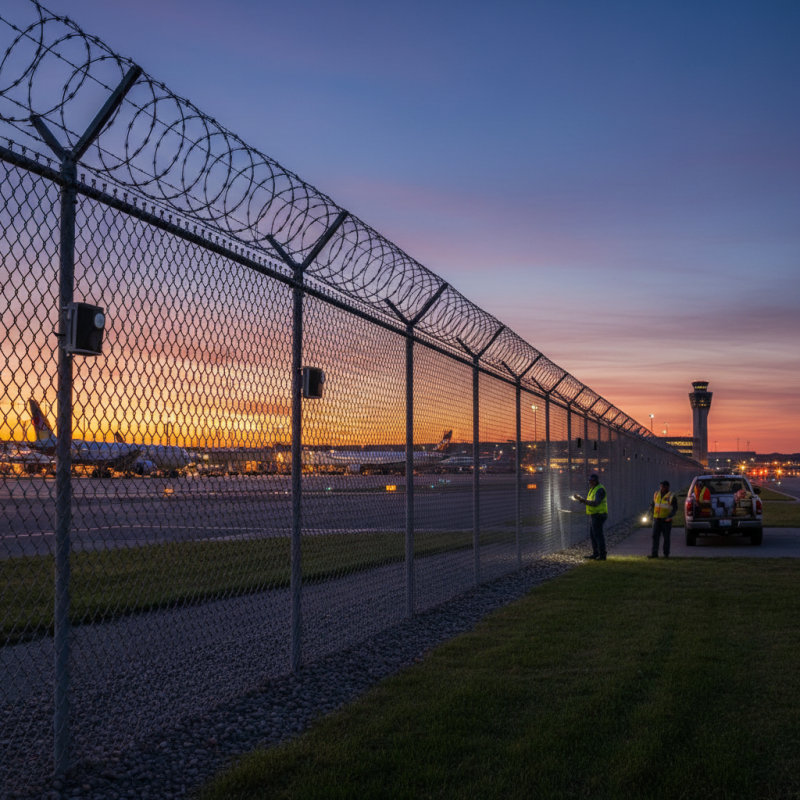
An airport fence serves as the first line of defense. This physical barrier helps control access to sensitive areas. A well-constructed airport fence can deter unauthorized entry and potential threats. It also enhances the overall safety of aircraft and passengers. However, not all fences are created equal. Some may require additional features like motion sensors or surveillance cameras.
Despite advancements, challenges remain. Maintenance is vital for any security system. A single hole or breach can compromise safety. Additionally, human error can occur. Security personnel must be vigilant. The balance between accessibility and security is complex. Striking this balance is essential for the effectiveness of airport fence systems.
Overview of Airport Fence Security Systems
Airport fence security systems play a critical role in maintaining safety. These systems often include high security fencing, cameras, and motion detectors. The main goal is to create a barrier that prevents unauthorized access. An effective fence can deter potential intruders and alert security personnel when necessary.
In many cases, these security measures are not foolproof. There are instances where breaches occur due to insufficient maintenance or outdated technology. Regular inspections and upgrades are essential to ensure optimal operation. The integration of smart technologies is also a growing trend. However, this advancement can present challenges. For instance, relying too heavily on technology may lead to complacency among security staff.
Visibility is another critical factor. A well-lit area around the fence can enhance security but can also create blind spots if not properly planned. Continual assessment of the fence’s effectiveness is needed. This reflection helps identify weaknesses and develop better strategies. Overall, airport fence security systems need a balanced approach to technology and human vigilance for maximum effectiveness.
Importance of Physical Barriers in Aviation Security
Airport fence security systems serve as critical physical barriers in aviation security. They help deter unauthorized access and protect sensitive areas. According to the Transportation Security Administration (TSA), barriers reduce potential threats significantly. A well-designed fence can lower intrusion attempts by up to 70%. This type of security not only safeguards aircraft but also protects passengers and staff.
Incorporating strong fencing is essential. Studies show that 80% of security breaches occur through weak entry points. Therefore, enhancing these physical barriers is crucial. Depending on the airport’s size, the height and material of the fence can vary. A solid, high fence can discourage climbing and cutting.
Tip: Regularly inspect fences for wear and damage. Maintaining the physical integrity of barriers is vital for effective security. Additionally, consider installing surveillance cameras alongside fences. This combination increases monitoring capabilities, making it harder for threats to go unnoticed. Remember, slight imperfections in security measures can expose vulnerabilities, and constant improvement is necessary.
Key Technologies Employed in Airport Fence Security
Airport fence security systems are vital in maintaining safety and security at airports. These systems use various technologies to monitor perimeters effectively. High-definition video surveillance plays a crucial role. A study showed that real-time video analytics can reduce response times by up to 30%. Thermal imaging cameras complement standard surveillance, especially in low visibility. This is key, as approximately 20% of security breaches occur during nights or storms.
Another essential element is motion detection. Sensors installed along fences can alert security personnel instantly. This immediate response can deter unauthorized access. Reports indicate that motion detection systems can increase breach detection rates by 25%. Additionally, some airports employ drone surveillance for extensive perimeter monitoring. Although effective, the technology raises questions about privacy and data security.
Integrated systems are gaining traction. They combine multiple technologies into one platform. This presents challenges in terms of interoperability and system maintenance. Regular updates and training are necessary. Security in transit hubs must evolve with emerging threats. The reliance on technology also highlights potential vulnerabilities. As security grows smarter, so do the tactics of those seeking to bypass it. The balance between safety and efficiency remains a critical area for reflection.
Benefits of Enhanced Safety for Airport Operations
Airport fence security systems play a critical role in enhancing safety for airport operations. A well-constructed fence can prevent unauthorized access to sensitive areas. This barrier deters potential threats and enhances overall security measures. It keeps out individuals who might pose risks to passengers and staff.
In addition to deterring intruders, a robust fence also helps in controlling wildlife. Airports located near natural habitats often face challenges from animals wandering onto runways. This can lead to dangerous situations. A secure fence minimizes such encounters, ensuring safe takeoffs and landings.
However, implementing these systems is not without challenges. Maintenance can be resource-intensive, and technology updates are necessary. Budget constraints often limit the potential improvements that can be made. Therefore, continuous evaluation and adaptation of security measures are crucial for achieving the best outcomes. Each airport must address its unique needs effectively.
Cost-Effectiveness and Long-Term Investment in Security Systems
Airport fence security systems offer numerous advantages, especially in terms of cost-effectiveness. Investing in such systems can significantly reduce long-term expenses. Upfront costs may seem high, but the ongoing savings can be substantial. Effective fencing prevents unauthorized access and reduces the risk of costly incidents. This translates into lower insurance premiums and fewer financial losses over time.
The durability of modern fencing options enhances their value. High-quality materials withstand harsh weather and potential vandalism. Regular maintenance is often minimal, which keeps costs low. However, it's essential to evaluate the total cost of ownership. Some systems may require more frequent upgrades or replacements, leading to unexpected expenses. It’s a balance between initial investment and future financial impacts, which requires thoughtful consideration.
Incorporating advanced technology with fencing can enhance security. For instance, integrating sensors can provide real-time alerts. Yet, these upgrades add to initial costs. Airports must assess if the added security justifies the expenditures. While technology can improve safety, it may also complicate maintenance. Finding the right mix of physical fencing and technology is vital for long-term success.