Top 10 Benefits of Using Cardboard Packaging for Your Business Success
In today's competitive marketplace, businesses are constantly seeking innovative solutions to enhance their efficiency and sustainability. One such solution that has gained remarkable traction is cardboard packaging. Known for its versatility and eco-friendly attributes, cardboard packaging offers a myriad of benefits that can significantly contribute to the success of any business. As environmental concerns continue to rise, consumers are increasingly drawn to brands that prioritize sustainability; hence, the adoption of cardboard packaging not only aids in reducing environmental impact but also strengthens brand loyalty.
Moreover, the cost-effectiveness of cardboard packaging makes it an ideal choice for businesses of all sizes. With the ability to be easily customized and designed, cardboard packaging provides a unique opportunity to create memorable unboxing experiences for customers, thereby enhancing brand recognition. This combination of affordability and branding potential positions cardboard packaging as a strategic asset for businesses looking to thrive in today's eco-conscious market. As we explore the top benefits of using cardboard packaging, it becomes clear that embracing this solution is not just a trend but a vital step toward achieving long-term business success.

Key Environmental Benefits of Cardboard Packaging for Businesses
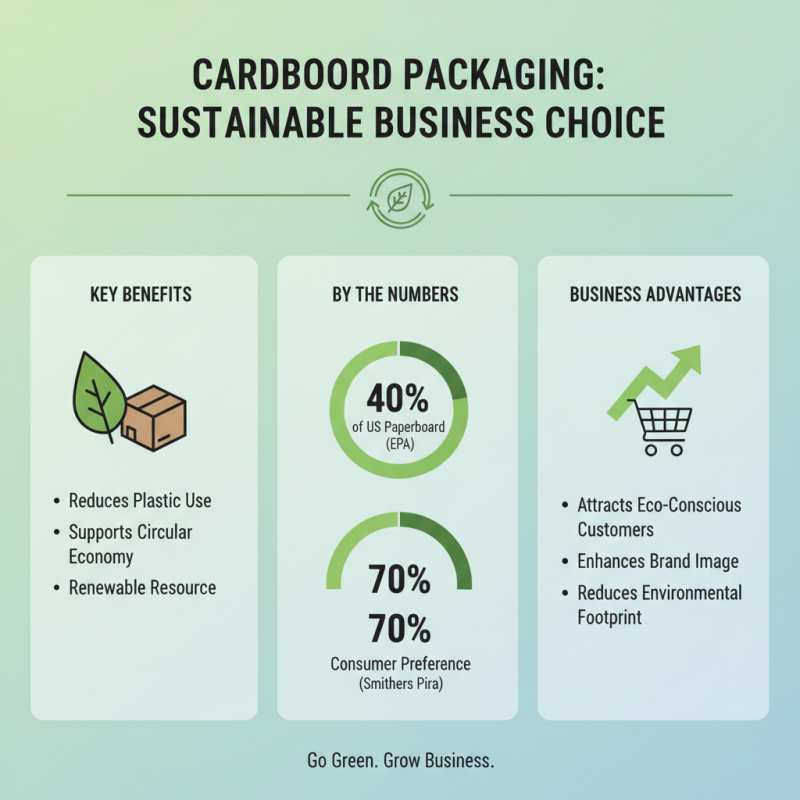
Cardboard packaging has emerged as a sustainable choice for businesses, offering key environmental benefits that can significantly enhance their operations. According to the Environmental Protection Agency (EPA), cardboard accounts for over 40% of the paper and paperboard materials generated in the United States, emphasizing its widespread use and potential for recycling. Utilizing cardboard packaging not only reduces the need for plastic alternatives but also supports circular economy practices. A report by Smithers Pira indicates that 70% of consumers prefer brands that use sustainable packaging, showcasing the importance of eco-friendly materials in attracting environmentally conscious customers.
Tip: To maximize the environmental benefits of cardboard packaging, consider sourcing materials from certified sustainable suppliers and utilizing recycled content. This not only helps in reducing carbon footprints but also appeals to customers’ preferences for greener options.
Moreover, cardboard is highly biodegradable, breaking down naturally within months, as opposed to hundreds of years for plastic. By choosing cardboard, businesses play a vital role in decreasing landfill waste and minimizing pollution. The World Economic Forum states that transitioning to sustainable packaging solutions could potentially reduce the global plastic waste issue by 90% by achieving a more efficient waste management system.
Tip: Incorporate a cardboard recycling program in your business operations to encourage both employees and customers to engage in sustainable practices. This not only promotes environmental consciousness but can also lead to cost savings through reduced waste disposal expenses.
Cost-Effectiveness of Cardboard in Shipping and Storage Solutions
Cardboard packaging is increasingly recognized for its cost-effectiveness when it comes to shipping and storage solutions. One of the primary reasons businesses are turning to cardboard is its lightweight nature, which significantly reduces shipping costs. The lower weight means that logistics providers charge less per shipment, making it an ideal choice for companies looking to maximize their budget while delivering products efficiently. Moreover, cardboard can be sourced at a lower price compared to other packaging materials, enabling businesses to save money on raw materials as they scale their operations.
In addition to its affordability, cardboard packaging is space-efficient, which leads to further savings in storage costs. When not in use, cardboard can be flattened, allowing for easy stackability and reducing the amount of storage space required. This is particularly beneficial for businesses with limited warehousing capacity, as it helps to optimize available space and maintain an organized inventory. Additionally, many cardboard options are designed to be easily customizable, allowing businesses to create packaging solutions that fit their specific needs without incurring significant expenses. This adaptability not only enhances efficiency but also helps in aligning packaging strategies with overall business goals.
Consumer Preference for Sustainable Packaging: Statistics and Trends
As consumers become increasingly conscious of their environmental impact, the demand for sustainable packaging solutions has surged. Recent statistics indicate that a significant portion of shoppers prioritize products packaged in eco-friendly materials, with a particular lean towards cardboard packaging. This shift not only reflects a growing awareness of environmental issues but also showcases a change in consumer purchasing behavior, where sustainable practices play a pivotal role in decision-making.
In 2023, surveys revealed that nearly 70% of consumers are willing to pay extra for sustainably packaged goods. The trend further emphasizes the importance of businesses aligning their packaging strategies with consumer values. By adopting cardboard packaging, companies not only cater to this growing market demand but also contribute positively to environmental sustainability. This alignment not only enhances brand loyalty but also boosts overall business success as consumers increasingly support brands they perceive as responsible and eco-conscious.
Consumer Preference for Sustainable Packaging
This chart illustrates the increasing consumer preference for sustainable cardboard packaging based on recent surveys.
Cardboard Packaging's Role in Brand Image and Marketing Strategies
Cardboard packaging plays a pivotal role in shaping a brand's image and marketing strategies. A study conducted by Smithers Pira indicates that the global market for cardboard packaging is forecasted to grow at a compound annual growth rate of 4.7% between 2021 and 2026, driven largely by increasing consumer preference for sustainable materials. This highlights how businesses investing in eco-friendly packaging can enhance their brand reputation and appeal to environmentally-conscious consumers. By utilizing cardboard packaging, brands not only contribute to reducing environmental impact but also align their image with sustainability, an increasingly powerful marketing tool.
Moreover, the versatility of cardboard allows for creative branding opportunities that can resonate deeply with the target audience. According to a report by the Paper and Packaging Board, 72% of consumers feel that packaging design influences their buying decisions. With cardboard being easily customizable in terms of printing and structural design, businesses can leverage this material to make a strong visual impact. This capacity for innovation makes cardboard an effective medium for storytelling, enhancing customer engagement while solidifying brand identity.
By adopting cardboard packaging, companies have the chance to craft enticing narratives that connect with consumers, ultimately leading to increased loyalty and market share.
Innovative Designs and Customization Opportunities in Cardboard Packaging
Innovative designs and customization opportunities in cardboard packaging play a crucial role in enhancing brand identity and customer engagement. As businesses increasingly recognize the potential of packaging as a marketing tool, the versatility of cardboard allows for a wide array of creative design choices. From unique shapes to vibrant colors, companies can tailor their packaging to reflect their brand's personality. Custom printing options enable businesses to integrate logos, slogans, and eye-catching graphics that not only attract attention but also reinforce brand messaging. This level of personalization helps create a memorable unboxing experience, making it more likely for customers to share their experience on social media.
Furthermore, the adaptability of cardboard packaging supports sustainable practices that resonate with today's environmentally conscious consumers. Companies can experiment with eco-friendly inks and finishes, ensuring their packaging communicates a commitment to sustainability. The ability to create custom sizes and structures not only minimizes waste but also allows for more efficient shipping and storage solutions. By leveraging these innovative packaging opportunities, businesses can enhance their operational efficiency while appealing to a growing demographic that prioritizes sustainability. This combination of creativity and environmental responsibility positions businesses for long-term success in an increasingly competitive marketplace.