
Top Benefits of Cardboard Packaging for Sustainable Business Practices?
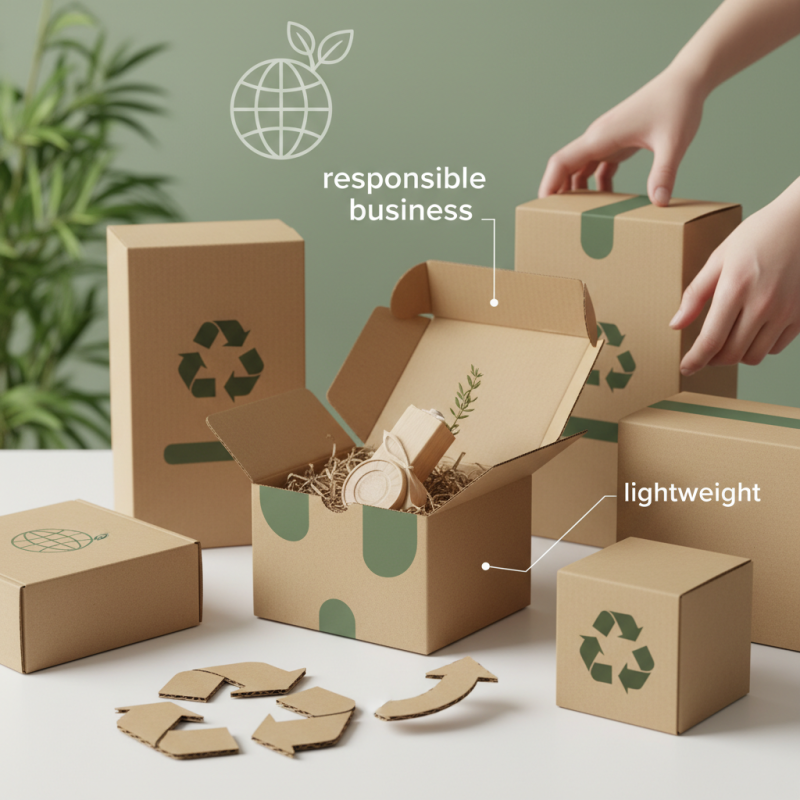
In today's rapidly evolving marketplace, the push for sustainability is more critical than ever. Cardboard packaging is emerging as a leading solution. Expert Sarah Thompson, a prominent figure in sustainable packaging, states, "Cardboard packaging is not just eco-friendly; it’s an emblem of responsible business." This assertion highlights the dual benefits of practicality and environmental consciousness inherent in cardboard solutions.
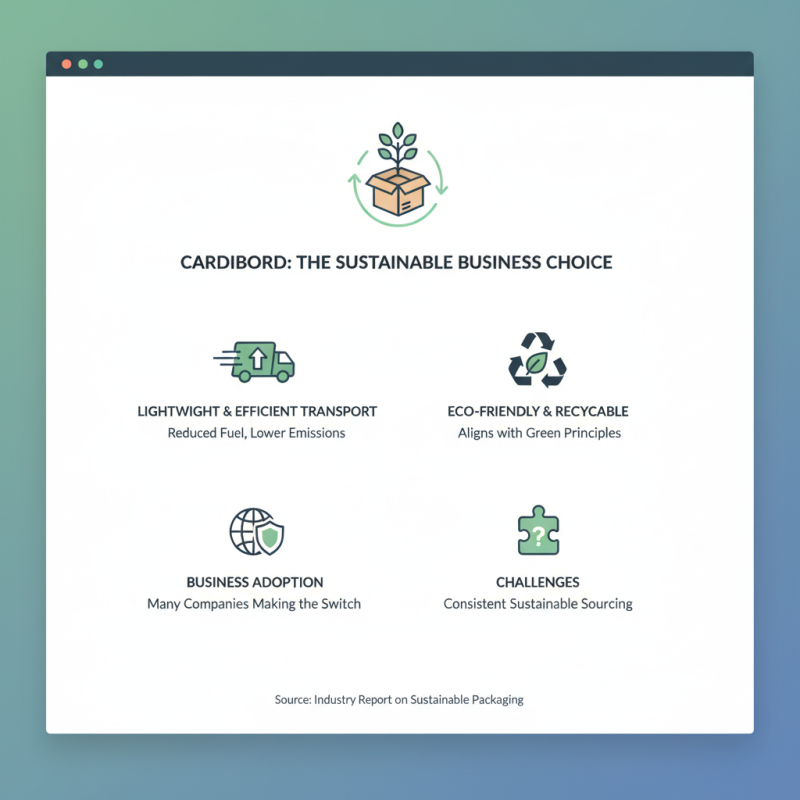
Cardboard packaging is lightweight and versatile. Businesses can reduce shipping costs while minimizing their carbon footprint. This material is made from renewable resources, which is a compelling reason for many companies to embrace it. However, some still hesitate, fearing it lacks durability compared to plastics. Yet, modern cardboard designs can withstand significant pressure and provide excellent protection.
There’s a growing concern about the waste generated by traditional materials. Cardboard packaging offers a solution that is both effective and sustainable. Recyclability is a crucial factor that appeals to consumers. Still, some businesses overlook the importance of supply chain adjustments needed for such a transition. While the benefits are clear, the implementation process can be challenging. Embracing cardboard packaged solutions requires careful planning and commitment.
Key Features of Cardboard Packaging for Eco-Friendly Solutions
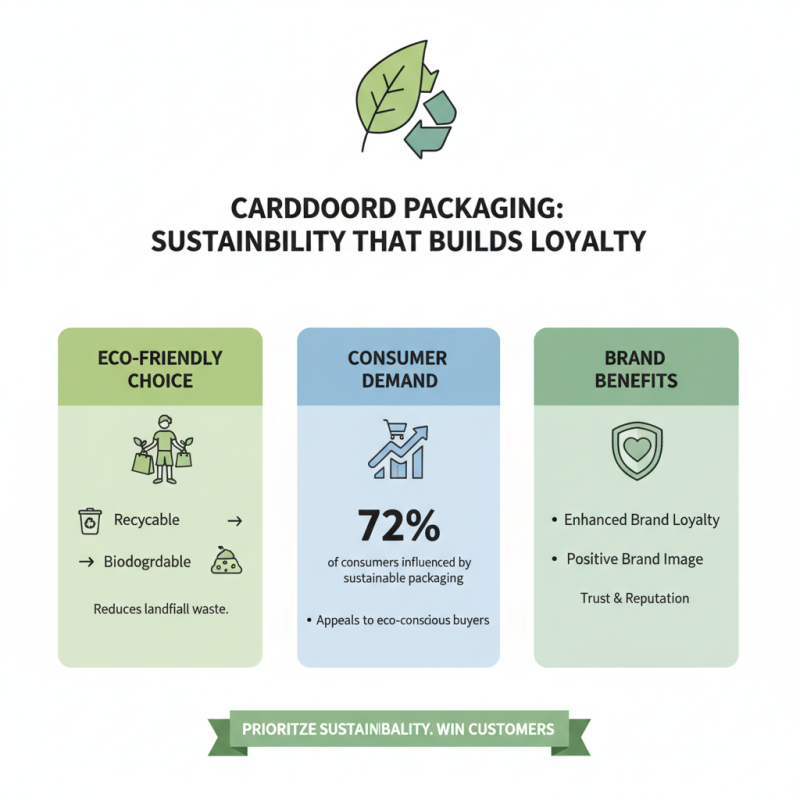
Cardboard packaging has become a cornerstone of eco-friendly solutions. Its lightweight nature reduces transportation emissions, which is a significant advantage. Many businesses are now switching to cardboard to lower their carbon footprints. It is biodegradable, making it an excellent choice for reducing landfill waste. However, not all cardboard is created equal. Some types include harmful coatings that can hinder recycling efforts.
The versatility of cardboard is another feature worth noting. Packaging can be easily customized to fit different products, reducing the need for excessive filler materials. This adaptability helps minimize waste. Yet, companies often overlook the importance of sourcing high-quality cardboard. Cheaper options may lead to more packaging waste if they fail to protect products adequately during shipping.
Design plays a crucial role in cardboard packaging. Innovative designs can enhance user experience while maintaining sustainability. Unique shapes can capture consumer interest, but they shouldn't sacrifice recyclability. There is a fine line between creativity and environmental responsibility. Choosing eco-friendly inks and adhesives also impacts the overall sustainability of packaging. Every detail matters in creating truly sustainable practices.
Top Benefits of Cardboard Packaging for Sustainable Business Practices
| Benefit | Description | Impact on Sustainability |
|---|---|---|
| Biodegradability | Cardboard packaging is made from natural fibers that decompose easily, reducing landfill waste. | Promotes environmental responsibility |
| Recyclability | Cardboard can be recycled multiple times, reducing the need for new raw materials. | Conserves resources and energy |
| Lightweight | Lighter than many alternative materials, which contributes to lower transportation emissions. | Reduces carbon footprint |
| Versatility | Can be customized for various products, ensuring efficient use of materials. | Minimizes waste and enhances product protection |
| Cost-Effectiveness | Generally cheaper than plastic alternatives, making it accessible for businesses. | Encourages sustainable practices |
Related Posts
-

Top 10 Benefits of Using Cardboard Packaging for Your Business Success
-

2025 How to Choose the Best Cardboard Packaging for Your Business
-
Top 10 Benefits of Using Carton Boxes for Your Packaging Needs?
-

2026 How to Choose Cardboard Boxes for Moving Efficiently?
-
Top 10 Creative Uses for Cardboard Boxes You Never Knew About
-
10 Essential Tips for Choosing the Right Packaging Boxes for Your Business