What are the Benefits of Using Small Boxes for Shipping?
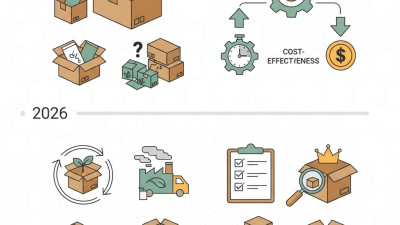
In the world of shipping, the choice of packaging can significantly impact efficiency and cost. Small boxes have become increasingly popular because of their numerous advantages. According to logistics expert, John Miller, “Small boxes streamline shipping, saving space and reducing costs.” This insight highlights the importance of thoughtful packaging in logistics.
When using small boxes, companies can better optimize their shipping processes. They reduce wasted space in transportation, maximizing the number of packages shipped at once. This efficiency minimizes both environmental impact and shipping costs. However, not all businesses recognize the potential drawbacks of oversized packaging. Excessively large boxes can lead to damages during transit, ultimately undermining customer satisfaction and increasing return rates.
Moreover, selecting the right size requires careful consideration. While small boxes can enhance shipping processes, miscalculating dimensions can result in complications. Ensuring items fit perfectly within these boxes is essential. Failure to do so may diminish the benefits. In summary, the advantages of using small boxes in shipping are clear, but attention to detail is crucial for maximizing their effectiveness.

Benefits of Small Boxes in Shipping Efficiency
Small boxes have become a popular choice in shipping due to their numerous efficiency benefits. Industry reports suggest that using appropriately sized boxes can reduce shipping costs by up to 20%. This is particularly crucial as carriers often base their prices on dimensional weight. By utilizing small boxes, businesses can save significantly, especially when shipping lightweight items. This strategy not only cuts costs but also minimizes the carbon footprint associated with transporting larger, empty spaces.
Another significant advantage lies in the ease of handling. Smaller packages are easier to manage along the supply chain. Studies show that smaller boxes reduce the likelihood of damage during transit. Items packed in snug containers are less likely to shift, resulting in fewer returns and replacements. Furthermore, smaller packages optimize warehouse operations. Space is freed up, allowing for better organization and faster picking times. This efficiency, supported by warehouse management studies, enhances overall productivity.
However, using small boxes is not without its challenges. There can be instances where increased packaging materials may slightly offset some cost savings. Additionally, some products may require additional cushioning to prevent damage. It’s essential for businesses to assess their specific needs. Understanding which products benefit from small boxes ensures effective shipping strategies without compromising quality or efficiency.
Cost Savings from Using Smaller Shipping Boxes
Using smaller shipping boxes can lead to significant cost savings. One of the main reasons is their reduced dimensional weight. Carriers often charge based on the size and weight of packages. Smaller boxes typically weigh less and take up less space, meaning lower shipping fees. For businesses, this translates into substantial savings over time.
There’s also less waste involved. Smaller boxes mean less filler material. This not only reduces packaging costs but also minimizes environmental impact. Fewer materials mean lower shipping weights and costs. It’s important to balance cost savings with the risk of damage. If items aren’t packed securely, they could arrive damaged.
Businesses should carefully consider their packaging options. Smaller boxes might limit what can be shipped. Sometimes, larger items require more protective materials. This could offset the benefits of using smaller boxes. Finding the right size box can be a challenge but is crucial for optimizing costs while ensuring product safety.
Benefits of Using Small Boxes for Shipping
Environmental Impact of Small Box Shipping Solutions
Small boxes are gaining popularity in shipping solutions, particularly for their environmental benefits. When designed properly, they minimize waste. According to a report by the Ellen MacArthur Foundation, the transition to smaller packaging can reduce plastic use by up to 30%. Smaller boxes often require less material, leading to fewer resources consumed during production.
The energy savings are noteworthy too. Using smaller packaging can reduce carbon emissions associated with transport. A study from the Environmental Protection Agency highlighted that optimizing package sizes can lead to a decrease in vehicle trips by 15%. This reduction translates to lower fuel consumption and less air pollution. The push towards eco-friendly practices is not just a trend but a necessity.
When choosing small boxes, consider the materials used. Opt for recyclable or biodegradable options. Many manufacturers are moving towards sustainable materials. But, be aware that not all small boxes meet high environmental standards. It’s crucial to verify the source and composition of packaging materials to ensure they align with eco-friendly goals. Keep an eye on certifications as a guide to make informed choices.
Improved Safety and Protection of Goods in Small Packages
When considering shipping options, the size of the packaging matters greatly. Small boxes provide enhanced safety and protection for goods. Their compact design minimizes movement during transit, decreasing the risk of damage. With limited space, items are secured tightly, protecting them from impacts and vibrations. This is crucial for fragile products, ensuring they arrive in perfect condition.
Using small boxes also helps in reducing costs associated with shipping. Smaller packages often mean lower shipping rates. However, this isn't just about saving money. It’s important to ensure that the packaging is still durable and can withstand the rigors of transport. Choosing the right material is essential. The wrong choice might compromise the protection level, leading to potential losses.
Despite the benefits, not every product fits well in small boxes. Some larger or irregularly shaped items may require additional cushioning or support. This adds complexity to the packing process. Companies must balance efficiency with safety, ensuring the choice of box size does not compromise the integrity of the goods. It’s a challenge, but finding the right solution is crucial for successful shipping practices.
Enhanced Customer Experience with Compact Shipping Options
Using small boxes for shipping significantly enhances the customer experience. Compact shipping options not only reduce waste but also ensure better handling. Customers are likely to appreciate the thoughtfulness behind smaller packaging. When they receive a neat, compact box, it feels special. It’s a win-win for the environment and the customer.
Smaller boxes also improve the overall aesthetics of a delivery. A compact package takes less space and is easier to store. Customers might find it easier to keep small items, rather than struggling with oversized packaging. This can lead to a more positive perception of the shipping process. It is crucial to choose boxes that fit the product perfectly to avoid movement during transit.
Tips for using small boxes include measuring your product accurately. Choosing the right size prevents damage and saves on shipping costs. Consider adding eco-friendly materials for cushioning inside. This not only protects the item but also appeals to environmentally-conscious consumers. Remember, it’s the little details that elevate the customer experience. Small changes can lead to a significant impact on customer satisfaction.