Best Boxes for Moving House that You Need to Know?
Moving to a new house can be both exciting and stressful. Choosing the right boxes for moving house is crucial to ensuring your belongings are safe during transit. Experts in the moving industry, like Sarah Johnson, emphasize the importance of this choice. She states, “The right boxes can transform a chaotic move into a manageable one.”
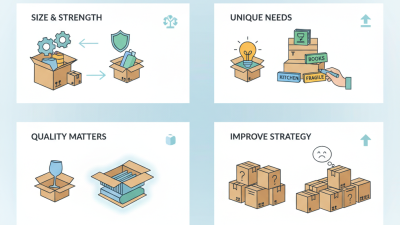
When selecting boxes for moving house, consider the variety available. Standard cardboard boxes, specialized boxes for fragile items, and wardrobe boxes should be part of your toolkit. Each type addresses specific needs, from protecting delicate dishes to securing clothing. Proper organization will save time and reduce chances of damage.
It's easy to overlook details when you’re busy packing. Remember, not all boxes are created equal. Some may collapse under pressure, leading to potential loss. Reflect on your past moves. Did you face any challenges with your packing materials? Learning from experience can guide you to make better choices. Take the time to research and invest in high-quality boxes for moving house; they are the backbone of a successful move.
Understanding Different Types of Moving Boxes Available on the Market
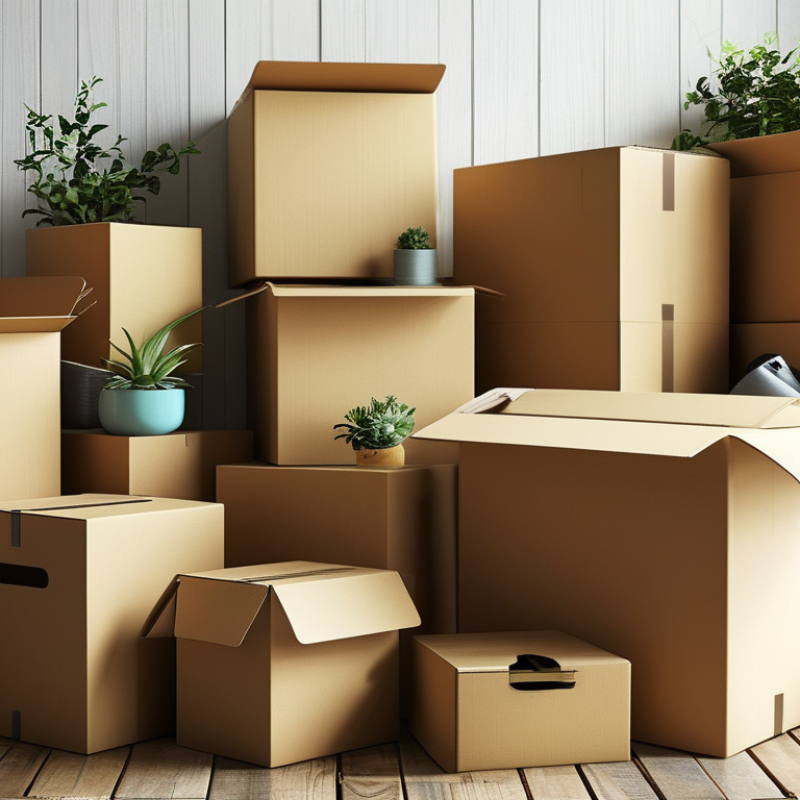
When preparing for a move, it's essential to understand the different types of moving boxes available. Each box serves a unique purpose. For example, standard cardboard boxes are versatile and can handle various household items. They come in different sizes, making them suitable for anything from books to clothing.
Specialty boxes exist for fragile or odd-shaped items. Dish boxes, for instance, have dividers to protect glassware. Wardrobe boxes come with a hanging rod, making it easier to transport clothes. These options may cost a bit more, but they offer extra protection where it counts.
Consider using reusable plastic bins as an alternative. They are durable and can be used multiple times. However, they can be bulky and may not fit well in your vehicle. It's worth reflecting on your specific needs to ensure you're getting the right type of box for each item you own. Prioritizing quality over quantity can make a significant difference in how smoothly your move goes.
Best Boxes for Moving House
| Box Type |
Size (inches) |
Weight Capacity (lbs) |
Material |
Best For |
| Small Box |
16 x 12 x 12 |
30 |
Corrugated Cardboard |
Books, Small Items |
| Medium Box |
18 x 18 x 16 |
50 |
Corrugated Cardboard |
Kitchen Items, Toys |
| Large Box |
24 x 18 x 18 |
65 |
Corrugated Cardboard |
Clothes, Bedding |
| Extra Large Box |
24 x 24 x 24 |
70 |
Corrugated Cardboard |
Linen, Large Items |
| Dish Pack Box |
18 x 18 x 28 |
60 |
Double-Walled Cardboard |
Fragile Items, Dishes |
| Wardrobe Box |
24 x 24 x 48 |
75 |
Corrugated Cardboard |
Clothes on Hangers |
Essential Features to Look for in Moving Boxes
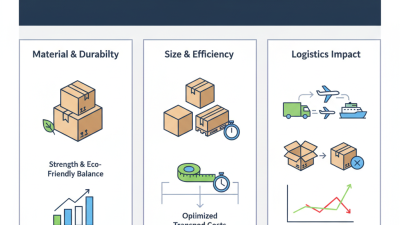
When choosing boxes for moving, key features make a significant difference. Experts suggest looking for sturdy materials. Corrugated cardboard is often recommended for its strength and lightweight properties. Opt for double-walled boxes for fragile items. Reports indicate that nearly 30% of damage during moves comes from inadequate packaging. Selecting the right box is essential to prevent this.
Size matters. Boxes should be uniform in size to facilitate stacking. This not only maximizes space but also makes loading easier. According to a survey, 70% of movers reported that poorly sized boxes led to inefficient packing. Additionally, having a variety of box sizes can help accommodate diverse items.
Tips: Always pack heavy items in smaller boxes. This keeps them manageable and reduces the risk of injury. Label each box clearly. This helps you locate essentials quickly. Consider eco-friendly options. Many moving companies now offer sustainable packaging solutions, which can also enhance your brand's eco-awareness. Remember, the right box can help ensure a smoother moving experience.
How to Determine the Right Size of Boxes for Your Move
When preparing for a move, choosing the right box sizes is crucial. Research indicates that 30% of moving efforts fail due to poor packing strategies. Selecting appropriate box sizes can simplify this challenge. Smaller boxes are ideal for heavy items, while larger boxes are suitable for lighter, bulkier items like linens or pillows.
Understanding what to pack in each box helps streamline the process. Ensure that heavy books go into small boxes, keeping them manageable. For kitchenware, medium-sized boxes work best, balancing weight and volume. A common mistake is overfilling boxes, which can lead to tears and accidents during transport.
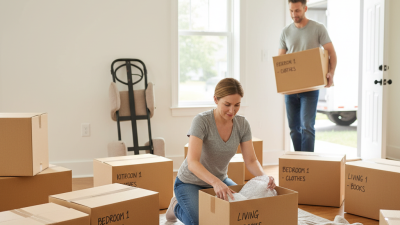
**Tip:** Clearly label each box with its contents and the room it belongs to. This saves time during unpacking. Another simple tip is to use wardrobe boxes for clothes. This keeps items wrinkle-free and makes it easier to unload. Don't overlook the importance of using quality packing tape; it secures your boxes and reduces the risk of opening mid-move. Choosing the right boxes not only protects your belongings but also eases the load.
Packing Tips for Maximizing Space in Moving Boxes
When it comes to packing for a move, maximizing space in your boxes is key. Start by gathering various box sizes. Use small boxes for heavy items like books. Opt for larger boxes for lighter items like bedding. This way, you maintain balance and prevent boxes from becoming too heavy to lift.
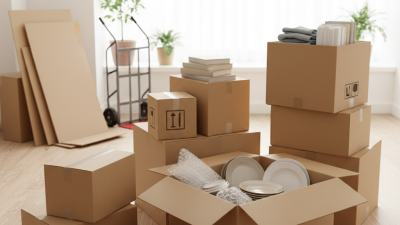
Fill any empty spaces in your boxes with soft materials. Crumpled paper, bubble wrap, and clothing can serve this purpose. Smaller items can be packed inside larger items. For example, fill your pots with smaller kitchen tools. This not only saves space but also keeps items together.
Consider the weight distribution within each box. A heavy bottom with lighter items on top prevents boxes from toppling over when stacked. Organize by category, labeling each box clearly. This helps avoid confusion when unpacking. Keep fragile items separated and cushioned. Reflecting on your packing strategy can improve efficiency and reduce stress during the moving process.
Environmentally Friendly Options for Moving Boxes
When it comes to moving, traditional cardboard boxes often dominate the conversation. However, there are more environmentally friendly options gaining traction. These boxes reduce waste and promote sustainability. Using recycled materials, they come in various shapes and sizes. This flexibility allows for efficient packing, regardless of item type.
Consider using biodegradable packing materials. These alternatives break down naturally, leaving less impact on the environment. They can be just as sturdy as conventional boxes. Many people overlook this option, often opting for what is familiar. It’s understandable, but exploring greener choices can lead to a more responsible move.
Another option is to rent reusable moving boxes. These durable containers can be used multiple times, significantly cutting down on waste. However, the idea of renting might feel less conventional. It requires a mindset shift. But the benefits often outweigh the doubts. Reducing waste creates a cleaner planet for future generations. Embrace these sustainable options; even small changes can lead to big impacts.