Best Corrugated Shipping Boxes for Global Procurement Needs?
The global logistics industry continues to evolve, driven by increasing demand for efficient shipping solutions. Corrugated shipping boxes are a pivotal element in this landscape. According to a recent report by Allied Market Research, the corrugated packaging market is projected to reach $500 billion by 2027. This growth highlights the significance of these boxes in meeting global procurement needs.
Companies now prioritize sustainability alongside efficiency. Corrugated shipping boxes are highly regarded for their recyclable materials and lightweight structure. A survey by the Environmental Protection Agency shows that over 70% of corrugated boxes are recycled in the U.S. This reflects a growing awareness of environmental responsibility among consumers and businesses alike.
Yet, challenges remain. The rising costs of raw materials can impact production and pricing. Additionally, while many suppliers offer innovative designs, not all provide the same level of durability or protection. As businesses navigate these complexities, making informed choices about corrugated shipping boxes is critical for maintaining competitive advantage in an ever-changing market.
Understanding Corrugated Shipping Boxes: Materials and Design
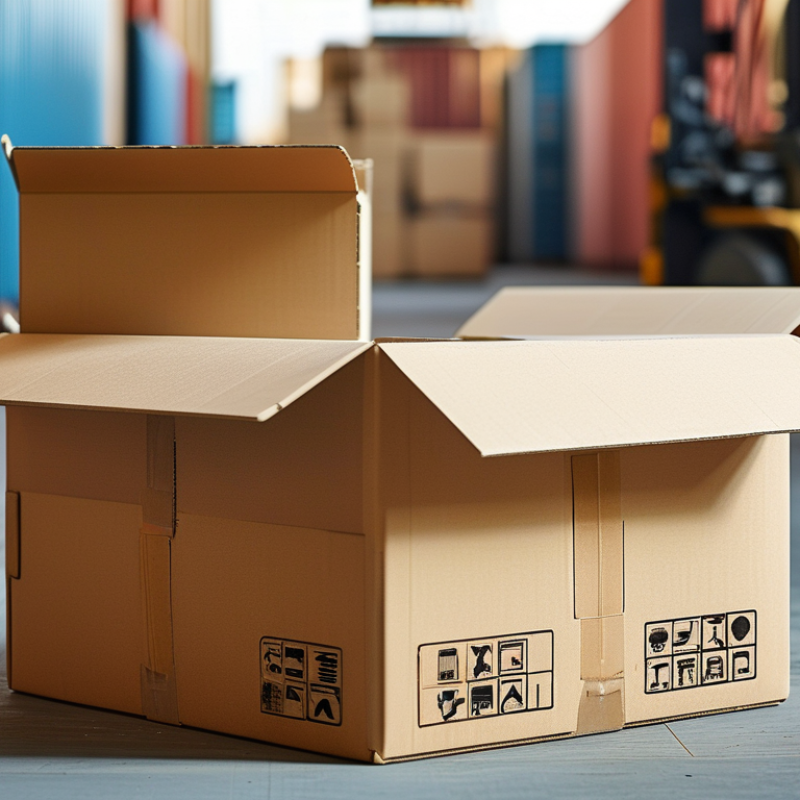
When it comes to corrugated shipping boxes, materials and design play a crucial role. Corrugated cardboard is often preferred for its lightweight and durable properties. It consists of a fluted layer sandwiched between two flat liners, providing strength while being easy to handle. This design helps to absorb shocks during transport, reducing damage to the contents. However, not all corrugated boxes are created equal; variations in thickness and flute size can impact performance.
Understanding the types of corrugated materials is essential for effective global procurement. Single-wall boxes are common for lighter shipments. For heavier items, double-wall boxes offer enhanced strength. Even the choice of paper quality can affect durability. A box that seems sturdy may not withstand extreme environmental conditions. Evaluating these aspects before purchase is vital but can sometimes be overlooked.
In addition to materials, proper design is key. Features like perforated openings or customized sizes enhance functionality. Yet, oversizing can lead to increased shipping costs and wasted space. Reflecting on how design impacts logistics is important in ensuring efficient procurement. Over time, reviewing packaging choices can lead to better practices and help achieve sustainability goals.
Best Corrugated Shipping Boxes for Global Procurement Needs
| Box Type |
Material |
Strength |
Dimensions (inches) |
Sustainability |
| Regular Slotted Container |
Corrugated Fiberboard |
Medium (200#) |
10 x 10 x 10 |
Recyclable |
| Die-Cut Box |
Single-wall Corrugated |
High (275#) |
12 x 12 x 12 |
Biodegradable |
| Full Overlap Box |
Double-wall Corrugated |
Very High (350#) |
16 x 16 x 16 |
Recyclable |
| Mailer Box |
E-flute Corrugated |
Medium (200#) |
8 x 4 x 4 |
Sustainable |
| Heavy Duty Box |
Triple-wall Corrugated |
Extreme (600#) |
24 x 24 x 24 |
Recyclable |
The Role of Corrugated Boxes in Global Procurement Processes
In global procurement, corrugated boxes play a critical role. They provide strength and durability, essential for protecting goods during transit. These boxes can withstand various environmental challenges, ensuring that products arrive safely at their destination. Their lightweight nature also contributes to reduced shipping costs, which is vital for businesses operating across borders.
Despite their advantages, challenges exist in the use of corrugated boxes. Sourcing materials for these boxes can sometimes be unpredictable. Different regions have varying standards for quality, affecting overall reliability. Moreover, incorrect box sizes may lead to damaged goods or excessive packaging waste. It's crucial for procurement teams to carefully select the right size and strength for each shipment.
In addition, the recycling aspect of corrugated boxes deserves attention. While they are generally recyclable, the actual process can vary significantly by region. Local recycling facilities may not accept all types of corrugated materials. This complicates sustainability efforts and may lead to increased costs in waste management. Procurement professionals must address these issues to optimize their supply chains effectively.
Key Considerations for Selecting Shipping Boxes for International Shipping
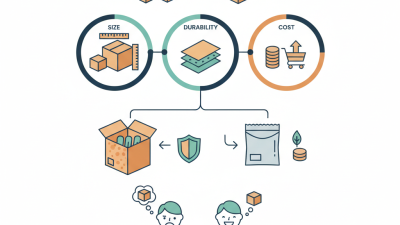
When selecting shipping boxes for international delivery, several factors are crucial. Quality is paramount. Corrugated boxes should be strong enough to withstand long journeys. Consider the thickness of the material. A three-layered box offers better protection against bumps and drops.
Another key consideration is size. Measuring your products accurately can prevent damage during transit. A box that is too big may allow items to shift, while a small box can crush them. This balance is vital for ensuring items arrive intact.
**Tips:** Choose boxes with moisture-resistant features. They can protect goods in humid conditions. Also, test boxes under various conditions to see how they perform. This can reveal areas needing improvement. Using the right tape and seals can further enhance protection. Ensure that these additional materials are suitable for international transport as well.
Best Corrugated Shipping Boxes for Global Procurement Needs
Environmental Impact of Corrugated Shipping Boxes in Global Trade
The environmental impact of corrugated shipping boxes is a pressing concern in global trade. Corrugated boxes are often favored for their lightweight and recyclable nature. However, their production involves significant resource consumption. Trees are cut down, energy is used, and water is consumed. These factors contribute to deforestation and higher carbon emissions.
When shipping goods worldwide, the disposal of these boxes is another pivotal aspect. Many consumers see them as recyclable, but not all end up in the recycling bin. A substantial number are discarded, leading to landfill issues. Each box that goes unrecycled represents wasted resources. This paradox highlights the need for improving recycling rates and developing sustainable practices in packaging.
Additionally, there is a growing demand for alternatives that are equally effective but less harmful to the environment. Innovations in biodegradable packaging are emerging. These alternatives challenge the industry to reconsider material choices. The journey towards sustainability is ongoing. It's crucial to evaluate our current methods and learn from the impact they create. Finding a balance between effective shipping and environmental responsibility remains a significant challenge in global logistics.
Top Manufacturers and Suppliers of Corrugated Shipping Boxes Worldwide
When it comes to corrugated shipping boxes, a range of manufacturers and suppliers play a crucial role in global procurement. These boxes are essential in various industries for packaging and transporting goods securely. Each manufacturer offers unique features, strengths, and weaknesses, which requires careful consideration during selection.
Many companies specialize in sustainable options. These manufacturers focus on eco-friendly materials while maintaining durability. Yet, not all suppliers can meet the stringent requirements of international shipping. It's important to assess their production processes and logistics capabilities. Some manufacturers may excel in one area but fall short in another.
In addition to finding reliable suppliers, understanding market trends is essential. The demand for innovative packaging solutions continues to grow. Companies must stay adaptable to maintain their competitive edge. Investing time in research and development is crucial. However, the evolving nature of the industry can lead to uncertainty. Reflecting on past experiences can help in making informed choices for future procurement.