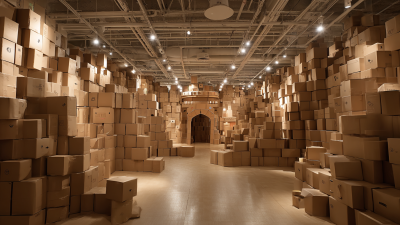
The Best Large Moving Boxes for Your Next Big Move?
When preparing for a big move, choosing the right packing materials is crucial. Large moving boxes are often a top choice. They offer ample space for your belongings, making the packing process smoother. However, not all large moving boxes are created equal. Some are sturdier, while others may be flimsy and less reliable.
Consider your needs carefully. You might assume that any large box will do, but that can lead to issues. Boxes that are too weak can break, causing damage to your items. You may need to invest time into finding the boxes that suit your requirements best. The right boxes can save you from future headaches.
In this guide, we will explore various large moving boxes available on the market. We will discuss their features, strengths, and potential drawbacks. Together, we'll find the best options for your next big move.
Understanding the Importance of Large Moving Boxes for Your Move
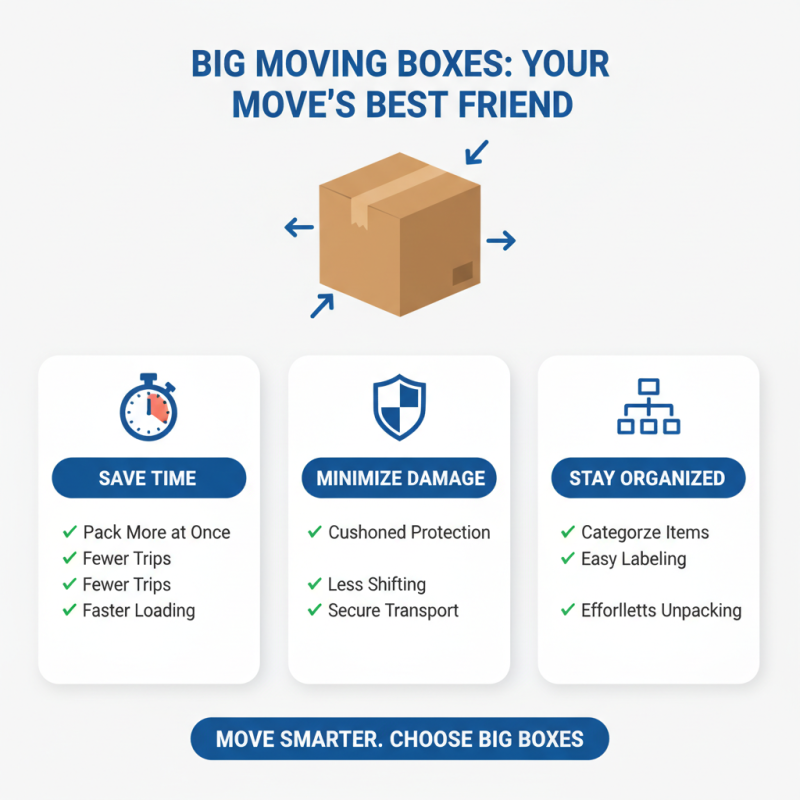
Large moving boxes play a crucial role in any big move. They provide the space needed to pack items efficiently. When you choose the right boxes, you save time and minimize damage. Proper organization begins with suitable boxes. It helps create a seamless packing experience.
Tip: Use large boxes for bulky items like blankets and pillows. They fit well and keep everything organized. Don’t overstuff boxes; it may lead to tears or breakage. Light items should go in larger boxes, while heavier belongings should be in smaller ones. This balance is essential.
Packing can be chaotic. Sometimes, you may find yourself running out of boxes. It can cause stress during a move. Consider sourcing from local stores or asking friends for extra boxes. This can ease the load. Always keep a few extra boxes for last-minute items.
Key Features to Look for in Large Moving Boxes
When searching for large moving boxes, certain features stand out. Strength is paramount. A box should be made from durable material. According to a 2022 report by the Moving Association, approximately 27% of damaged items during moves result from using inadequate boxes. This highlights the importance of choosing sturdy options.
Besides strength, consider size. A box that is too large can lead to overpacking, making it difficult to lift. Common dimensions range from 18x18x24 inches to 24x24x36 inches. These sizes offer ample space without being unwieldy.
Another key feature is the design for easy handling. Boxes with reinforced handles can make a big difference during a move. Reports indicate that 35% of movers suffer injuries due to improper lifting techniques. Simplifying the process with better box designs can help mitigate this risk. Lastly, keep an eye on weight ratings. Many large boxes can hold between 65-90 pounds, depending on the material. Choose wisely to ensure a safer moving experience.
The Best Large Moving Boxes for Your Next Big Move
This chart illustrates the key features of large moving boxes that are crucial for a successful move. It highlights the average size in cubic feet, weight capacity, and the typical number of boxes needed for a large move.
Top Brands for Quality Large Moving Boxes
When preparing for a significant move, selecting the right large moving boxes is crucial. Top brands emphasize quality to ensure strength and durability. According to industry reports, up to 70% of individuals experience damage during moves due to poor packaging. Investing in reliable boxes can reduce this risk significantly.
Consider box sizes. Standard large moving boxes often measure 18 x 18 x 24 inches. This size is versatile, accommodating items like blankets and kitchenware. It’s advisable to avoid overloading boxes; the recommended limit is about 50 pounds. This weight ensures ease of handling and minimizes the chance of box failure.
Tip: Reinforce the bottom of boxes with packing tape. This extra step provides added security and can prevent accidents. Moreover, label your boxes clearly. Include a description and "fragile" indicators when necessary. Organization helps streamline the unpacking process, reducing stress. Remember, a well-planned move requires attention to detail in packaging, so take your time selecting materials that suit your needs.
Cost Considerations: Budgeting for Your Moving Boxes
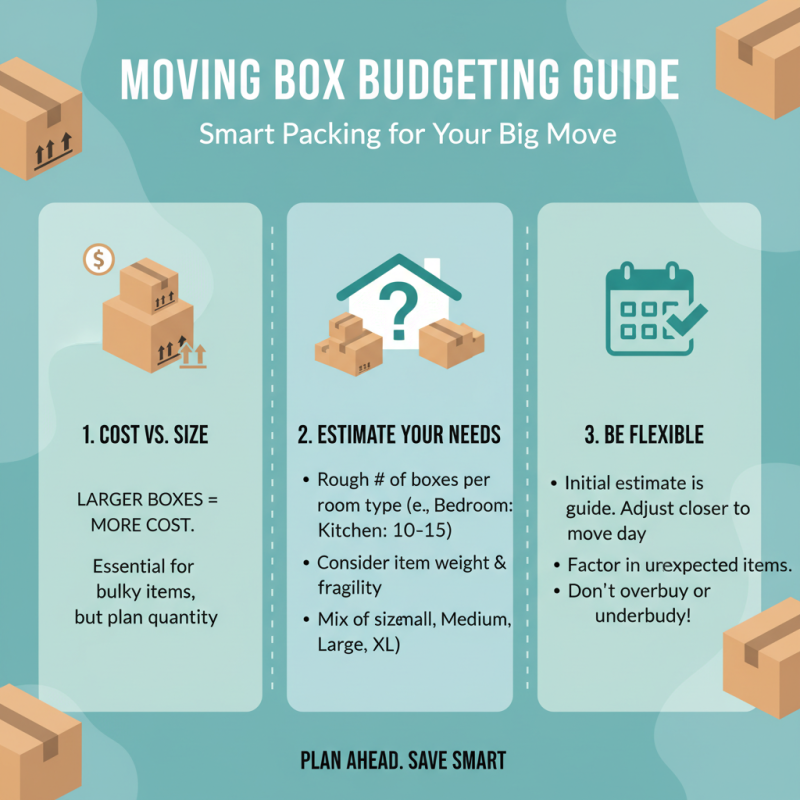
When planning your big move, budgeting for moving boxes can be tricky. Larger boxes often cost more, but they are essential for efficient packing. Consider how many boxes you’ll need and their sizes. A rough estimate is helpful, but don’t hesitate to adjust as your moving day approaches.
Tips: Collect free boxes from local stores or around your neighborhood. Some people want to get rid of their boxes after moving. This can save you money. Try using different sizes for various items. Smaller boxes for heavy items, larger ones for lightweight things like bedding or pillows can be effective.
Remember, quality matters. Cheaper boxes might not hold up, leading to potential damage during the move. Reflect on the importance of durability versus cost. Sometimes, it’s worth investing a bit more in boxes that will keep your belongings safe. Keep an eye on bulk purchase discounts as well. These can help you stay within your budget while ensuring you have enough boxes for everything.
Best Practices for Packing and Using Large Moving Boxes
When it comes to moving, packing efficiently can save time and stress. Large boxes are often essential. However, using them incorrectly can lead to damage. A recent report states that nearly 25% of items in a move can be broken due to improper packing. This statistic highlights the importance of packing practices.
Start by organizing items by category. For example, clothing, kitchenware, and books should each have their box. When packing, use cushioning materials like bubble wrap or packing paper. Studies show that packed boxes with at least 5% extra space reduce movement during transport. This ensures items stay put and don't collide.
It's crucial to label your boxes. Identify the contents and the room they belong to. A survey indicated that over 50% of movers felt stress from unlabelled boxes. Consider the weight too. Large boxes should not exceed 50 pounds. This makes them easier to lift and reduces the risk of injury. While it's tempting to fill boxes to the brim, overstuffing can lead to accidental tears and breaks.
The Best Large Moving Boxes for Your Next Big Move? - Best Practices for Packing and Using Large Moving Boxes
| Box Size (inches) |
Weight Capacity (lbs) |
Material |
Best Use |
Cost ($) |
| 24 x 18 x 24 |
65 |
Double-wall cardboard |
Clothes, toys, and blankets |
3.99 |
| 30 x 24 x 24 |
70 |
Heavy-duty cardboard |
Books, kitchen items |
4.99 |
| 18 x 18 x 18 |
50 |
Regular cardboard |
Small electronics, fragile items |
2.50 |
| 30 x 18 x 18 |
60 |
Double-wall cardboard |
Bedding, seasonal decor |
5.49 |
| 36 x 24 x 24 |
80 |
Heavy-duty cardboard |
Large appliances, furniture parts |
6.99 |