Discover the Best New Label Materials for Your Business Needs?
In today's competitive market, choosing the right New Label Materials is crucial for business success. The labels you use represent your brand's identity. They communicate important information to your customers. Therefore, selecting high-quality materials can enhance visibility and attract attention.
New Label Materials come in various types, each with unique strengths. Some are moisture-resistant, ideal for products exposed to spills. Others offer vibrant colors that make your packaging pop. Experimenting with these materials can lead to remarkable outcomes. However, it's essential to consider the environmental impact as well. Opting for sustainable options can improve your brand's reputation.
It’s easy to overlook the details when choosing labels. Many businesses focus solely on design, forgetting performance. This oversight can lead to issues down the line. Reflecting on your choices can reveal areas for improvement. Selecting the right New Label Materials is not just about aesthetics; it’s about durability and functionality too.
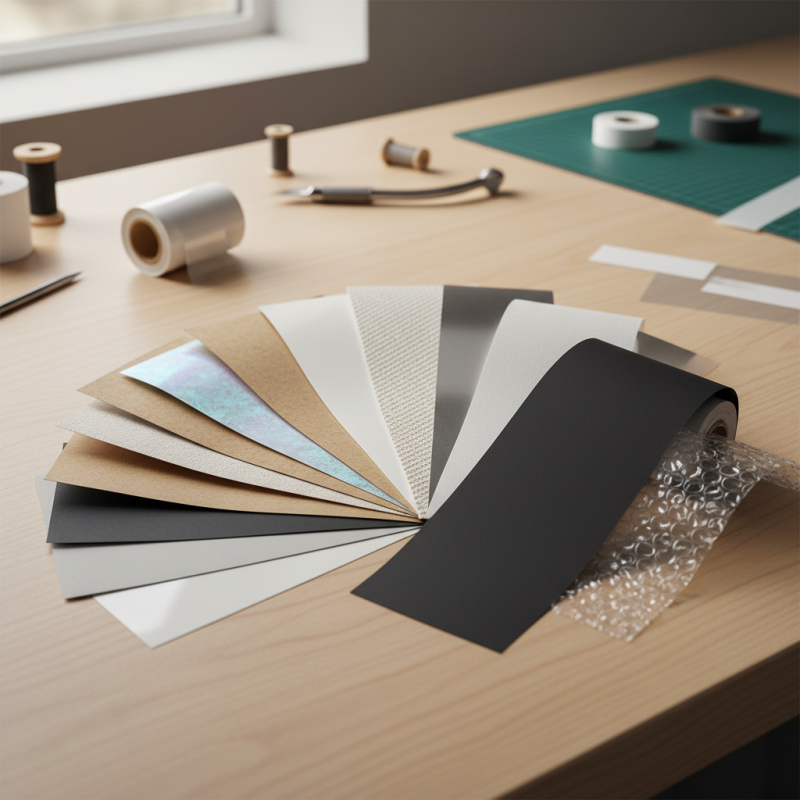
Identifying Key Label Material Types for Various Business Applications
When selecting label materials for various business applications, it’s crucial to understand the diverse options available. Each material serves different purposes and environments. For instance, paper labels are cost-effective for indoor use. They are suitable for items without direct exposure to moisture and harsh conditions. However, their durability is limited.
On the other hand, synthetic labels, such as polyester or vinyl, offer superior resistance. These materials function well in wet or cold environments. They are ideal for products like frozen foods or items displayed outdoors. Remember, choosing the right material depends on your specific needs.
Think about the product’s environment, handling, and customer interaction.
In some cases, companies may overlook specialty labels, such as those with thermal properties. These can be used for thermal transfer printing. Experimenting with different types could improve branding and customer engagement. Reflecting on the choices you’ve made can open new opportunities. It’s essential to evaluate not just cost but also the practical implications of label performance.
Analyzing Durability and Adhesion Properties of Popular Label Materials
In today's market, the choice of label materials significantly affects business efficiency. One critical factor is durability. For instance, a study from the Label Manufacturers Association (LMA) states that labels designed for harsh environments can withstand temperatures from -40°F to over 200°F. This durability ensures that labels remain intact, reducing waste and improving overall productivity.
Adhesion properties are equally essential. Research indicates that adhesive failure leads to a loss of up to 30% in product labels. Choosing a material with strong adhesion can prevent this loss. In particular, pressure-sensitive adhesives provide a reliable bond on various surfaces. It is vital to consider the interaction between the surface and adhesive. A mismatched combination may result in labels peeling away unexpectedly.
Additionally, businesses should not overlook the importance of print compatibility. If the labeling material does not work well with specific printing technologies, the quality can suffer. This situation raises questions about payment for poor-quality prints. Ultimately, analyzing these factors helps businesses enhance their branding while ensuring product integrity.
Durability and Adhesion Properties of Popular Label Materials
Examining Environmental Impact and Sustainability of Label Materials
When choosing label materials for your business, consider their environmental impact. The label industry accounts for about 7% of global plastic waste. Opting for sustainable materials can significantly reduce your footprint. A recent industry report indicates that 55% of consumers prefer products with eco-friendly packaging.
Recycled paper labels are a great option. They are biodegradable and often made from post-consumer waste. This supports a circular economy. However, they may not be suitable for all products. Durability is essential. Some recycled materials may not hold up in certain conditions, which could lead to waste.
Tips: Always test label materials before production. Assess their performance in real-life scenarios. Secondly, stay informed about industry standards for sustainability. This can guide your decisions and help you choose wisely. Investing in sustainable materials may lead to a positive company image. Yet, work with suppliers who can provide transparency about their processes.
Comparing Cost-Effectiveness of Different Label Materials for Businesses
When evaluating label materials for business needs, cost-effectiveness is crucial. Industry research reveals that material choices significantly influence production costs. For instance, a report by Smithers Pira suggests that switching to synthetic labels can reduce costs by up to 20% over time. However, initial investments may deter some businesses.
The choice between paper and synthetic labels also impacts budget constraints. While paper labels typically cost less upfront, they might not withstand harsh conditions. Synthetic materials often provide better durability and longevity, offering a potential return on investment. In fact, studies show that businesses experience up to 30% less product damage when using high-quality synthetic labels.
It's worth noting that not all labels perform equally under various conditions. Some businesses overlook the total lifecycle cost of label materials. Investing in stronger labels could lead to reduced waste and increased operational efficiency. This is a critical aspect for companies prioritizing sustainability. An informed choice here could balance immediate costs with long-term benefits. A thorough analysis of individual business needs is essential to make the best selection.
Trends in Innovations: Smart Labels and Advanced Printing Technologies
The rise of smart labels marks a significant innovation in labeling technology. According to a recent industry report, the global smart labels market is projected to reach $34 billion by 2026, growing at a CAGR of 17%. This growth is driven by demand for real-time tracking and data collection across industries. Advanced printing technologies, such as digital and inkjet printing, are now capable of producing high-resolution labels quickly and affordably.
Consider integrating QR codes into your labels. This approach not only enhances consumer engagement but also provides valuable data insights. Putting a QR code on your product can connect customers to extra content, such as videos or user manuals. Plus, smart labels can streamline inventory management, helping businesses reduce waste.
Investing in innovative label materials can greatly impact your project's success. For instance, using biodegradable label materials aligns with sustainability goals, responding to increased consumer awareness. Every time you update your labels, think about cost versus benefit. Sometimes, less sophisticated options might serve your needs just as well. Evaluate your choices carefully to ensure you’re not overspending on unnecessary technology.
