2026 Best Offset Printing Inspection Solutions for Buyers?
In the fast-evolving world of printing technology, Offset Printing Inspection is a critical aspect that cannot be overlooked. As businesses strive for quality and efficiency, the importance of robust inspection solutions becomes clear. These solutions ensure that every print meets industry standards, reducing waste and enhancing productivity.
The right inspection tools help identify flaws quickly. They utilize advanced technology, providing real-time data for printing processes. This enables companies to make informed decisions and improve their products continuously. Yet, finding the best offset printing inspection solutions can be challenging. The market is saturated with options, each claiming to offer superior performance.
Buyers often question reliability and effectiveness. There are solutions that promise excellence but fail under practical conditions. Understanding the specific needs of your production line is essential. Balancing technology with human expertise can elevate the printing process. A well-informed decision today can prevent costly mistakes tomorrow.
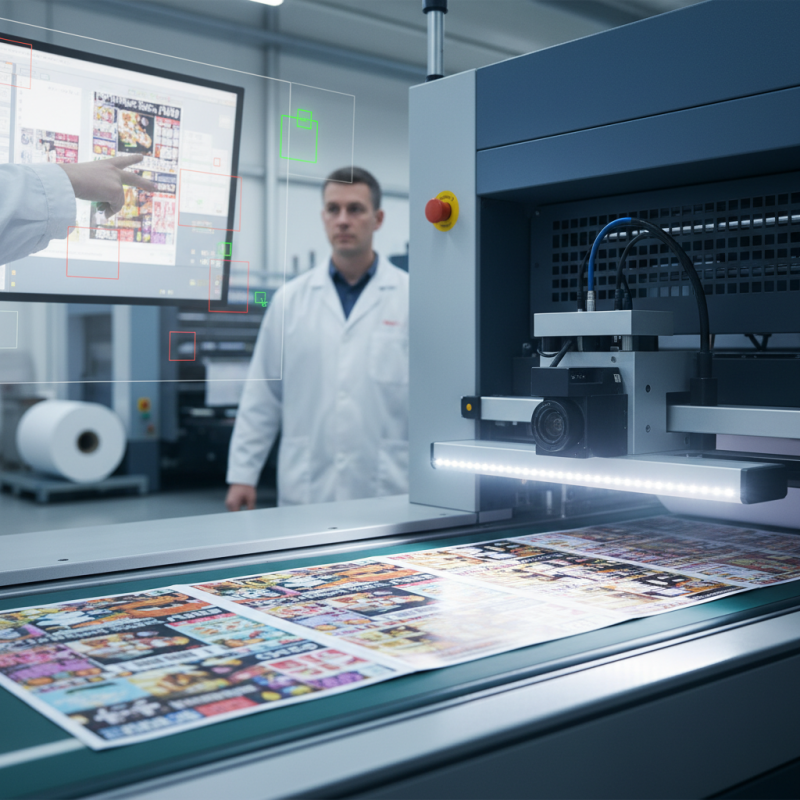
Overview of Offset Printing Inspection Solutions
Offset printing is a widely used technique, but it requires effective inspection solutions to ensure the highest quality results. These solutions play a critical role in identifying defects and ensuring consistency. Buyers must focus on various factors, including the types of inspection technology available and how they integrate into existing workflows.
Investing in advanced inspection solutions enhances efficiency. High-resolution cameras and artificial intelligence can detect small inconsistencies that may go unnoticed by the human eye. However, these technologies can be costly. It is essential to weigh the benefits against the budget. Regularly assess your workflow to identify areas that may need upgrades.
Tips for buyers: Always seek user-friendly solutions that offer real-time feedback. Engage with experts in the field to gain insights into the latest trends. Don't overlook the importance of training staff. Proper training maximizes the effectiveness of inspection systems. Remember, it's crucial to continuously evaluate the accuracy of your solutions and make adjustments as needed. The printing landscape evolves, and staying updated is vital for maintaining quality.
2026 Best Offset Printing Inspection Solutions for Buyers
| Inspection Solution | Key Features | Price Range | User Rating |
| Automated Visual Inspection System | High-resolution imaging, real-time analysis, defect detection | $15,000 - $30,000 | 4.8/5 |
| Ink Density Measurement Tool | Precision density measurement, calibration support, portable | $2,000 - $5,000 | 4.5/5 |
| Color Management System | Color calibration, profiling, workflow integration | $10,000 - $25,000 | 4.7/5 |
| Print Quality Inspection System | Comprehensive print quality checks, defect classification | $20,000 - $40,000 | 4.9/5 |
| Workflow Automation Platform | Process optimization, data analytics, reporting tools | $5,000 - $15,000 | 4.6/5 |
Key Features to Consider in Inspection Systems
When selecting an offset printing inspection system, various key features come into play. First, automation is crucial. Automated systems can significantly reduce the need for manual checks, increasing efficiency. According to a report from Smithers, over 60% of printing firms are investing in automated inspection technologies to lower human error and improve speed.
Another important aspect is real-time monitoring capabilities. This feature allows operators to detect quality issues instantly. Real-time data enables immediate adjustments, preventing waste. Reports indicate that systems with live feedback can reduce defect rates by as much as 30%. A high-quality inspection system should offer precise color detection and alignment checks.
Additionally, user-friendly interfaces should not be overlooked. Complex systems can lead to operator errors, increasing the likelihood of costly mistakes. Training staff on complex machinery can take time and resources. A survey highlighted that 40% of operators find current systems difficult to navigate, suggesting a need for better design. Reliability is equally vital; systems must perform consistently under various conditions, ensuring dependable results. Balancing these features leads to a more effective inspection process.
Top Companies Offering Inspection Solutions in 2026
In 2026, the need for reliable offset printing inspection solutions continues to grow. Buyers are increasingly aware of the importance of quality control in the printing process. Many companies are now stepping up their game, providing advanced inspection technologies. These innovations help ensure consistency and reduce waste.
Top companies in this space focus on leveraging automated systems. They utilize machine vision and AI to detect printing flaws efficiently. Some solutions feature real-time monitoring, which is crucial for fast-paced printing environments. Buyers may also encounter options offering customizable settings. This flexibility is key for meeting unique production requirements.
While there are many promising solutions, challenges remain. Some technologies may lack adaptability for varying materials. Others could have a steep learning curve for staff. Buyers should carefully evaluate these aspects before committing. A well-informed decision can save both time and resources in the long run.
Comparative Analysis of Technology Types in Offset Inspection
Offset printing has evolved significantly, and inspection technology plays a vital role in maintaining quality. Various types of inspection solutions are available, each with unique features and functionalities. Automated optical inspection (AOI) employs cameras to detect misalignments or color mismatches. This technology provides quick feedback, but it may struggle with complex patterns or textures.
Another promising approach is the use of spectrophotometers. These devices measure color accuracy across printed materials. They ensure consistent color reproduction. However, they often require skilled operators to interpret the results effectively. This reliance raises questions about human error. Engaging both automated systems and trained personnel can create a balanced inspection process.
Additionally, rejecting a one-size-fits-all strategy is essential. Different production environments have distinct demands. This variability influences the effectiveness of inspection methods. Some facilities may benefit from real-time monitoring. Others might find periodic checks more applicable. Thus, each buyer must weigh the advantages and limitations of each technology. A thoughtful, tailored approach can lead to significant improvements in offset printing quality.
2026 Best Offset Printing Inspection Solutions - Comparative Analysis
Customer Reviews and Case Studies of Inspection Solutions
When exploring the best offset printing inspection solutions, customer reviews play a crucial role. Many users share valuable insights into their experiences with these solutions. For instance, some customers highlight the accuracy of image analysis. They mention how these tools help identify color mismatches and print defects early in the process. Such early detection saves time and reduces waste.
However, not all reviews are entirely positive. Some users report challenges in integrating these solutions into existing workflows. They note that staff training can sometimes be insufficient, leading to inconsistent results. This feedback highlights the importance of user-friendly interfaces and proper training programs. Companies must address these shortcomings to enhance overall reliability.
Case studies also reveal intriguing applications of inspection systems. For example, one manufacturer implemented a new inspection solution and reported a 30% reduction in errors. This improvement boosted both quality and customer satisfaction. Yet, reflective feedback from that company suggests ongoing assessment is vital. Regular reviews can help companies adapt to changing production demands and ensure sustained quality in their printed products.
