10 Best Packaging Boxes for Your Business Needs?
In the dynamic landscape of business, selecting the right packaging boxes is crucial. These boxes do more than just hold your products. They are the first impression your customers encounter. The right design and material can enhance brand recognition and appeal.
Many businesses struggle to find the perfect packaging solution. Often, they overlook functional aspects, like durability and cost-effectiveness. Consider how packaging boxes can reflect your brand’s identity. Are you using eco-friendly materials? Can your designs stand out on a crowded shelf?
Choosing packaging boxes isn’t just about aesthetics. It can impact shipping costs and customer satisfaction. Each box should protect the product while being appealing. These decisions can lead to reflections on sustainability and consumer preferences. Is your packaging doing enough? This guide aims to highlight the best choices tailored to your business needs.
Understanding Different Types of Packaging Boxes for Various Products
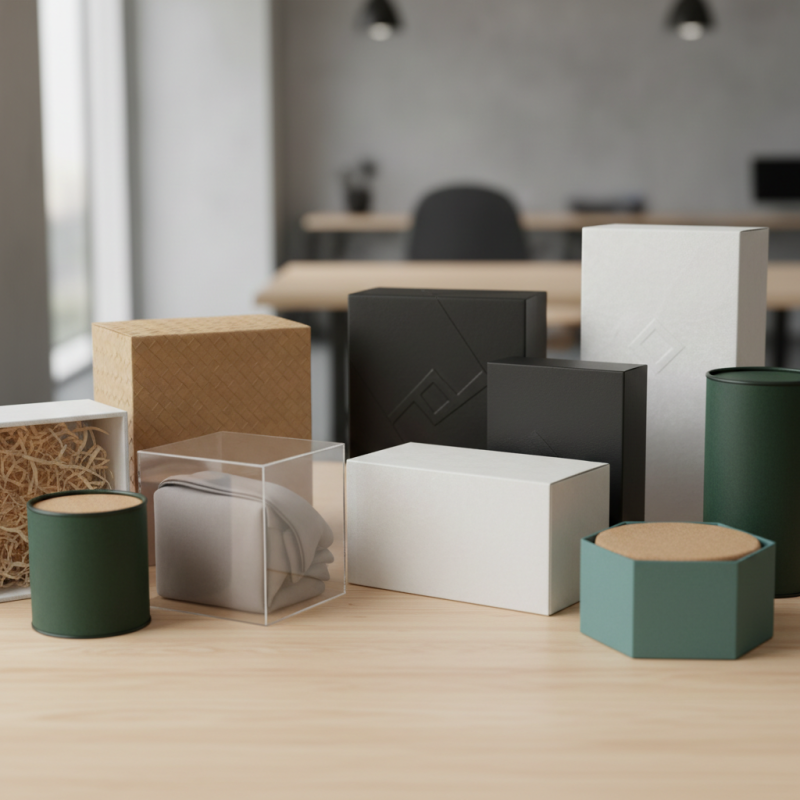
When selecting packaging boxes for your business, consider the product type. Each item requires a specific box. Fragile items need cushioning, while clothing can be packed in flat boxes. Food products often require moisture-resistant materials. Reflect on what your product needs.
Tips: Always test your packaging with sample products. This will help identify if the box provides sufficient protection. Experiment with various designs to find what resonates with your brand.
Eco-friendly options are becoming popular. Many consumers appreciate sustainable choices. Explore recycled materials for your boxes. It’s a good marketing approach. However, ensure these materials meet your packaging standards. Sometimes, lower-quality materials can lead to issues later on. Your product's safety matters most.
Key Factors to Consider When Selecting Packaging for Your Business
Choosing the right packaging is essential for any business.
It's not just about looks; functionality matters too. Consider the product dimensions.
Will it fit snugly? Loose packaging might lead to damage during shipping. If your package doesn't protect the item,
it can hurt your reputation.
Materials play a big role in the choice. Are you going for
eco-friendly options? Many consumers appreciate sustainable choices.
However, think about durability. Some materials look great but don’t hold up well in transit.
Balance aesthetics with strength.
Tips: Always test your chosen packaging.
Send a few samples to yourself. Observe if they arrive intact. You might need adjustments.
Also, consider the ease of packing. Employees should be able to pack quickly, without confusion.
Complicated designs can waste time.
Top 10 Packaging Materials and Their Environmental Impact
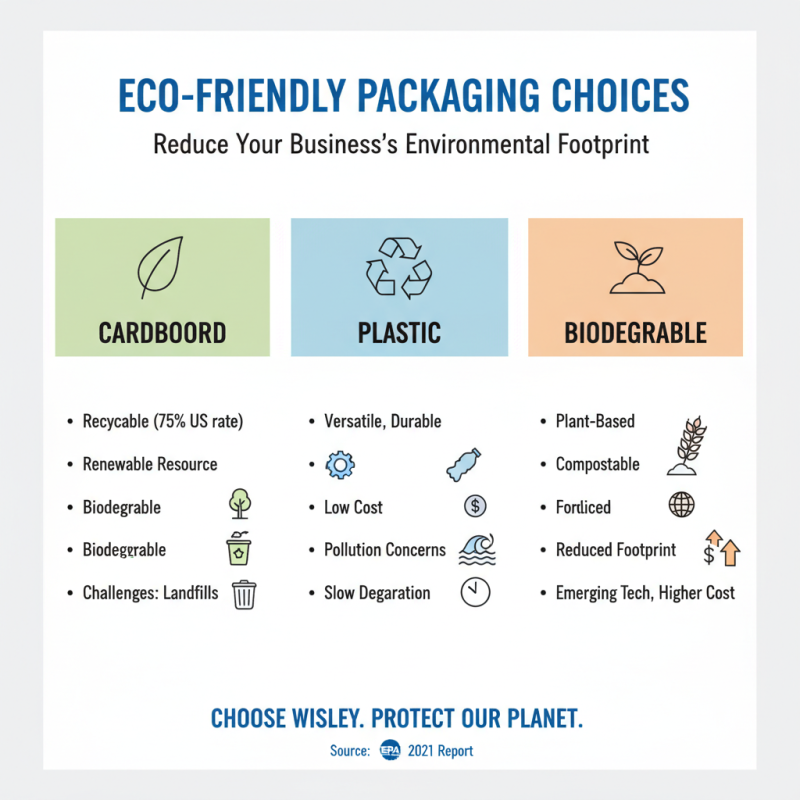
When selecting packaging materials for business needs, it's vital to consider their environmental impact. Common options include cardboard, plastic, and biodegradable materials. Cardboard is popular due to its recyclability. According to a 2021 report by the Environmental Protection Agency (EPA), about 75% of cardboard boxes are recycled in the United States. This is impressive, yet many still end up in landfills.
Plastic packaging poses significant challenges. While lightweight and durable, it contributes to global plastic pollution. Research by the World Economic Forum indicates that by 2050, there could be more plastic than fish in the oceans if trends continue. This data raises questions about sustainability in packaging choices.
Biodegradable options are emerging as a solution. Made from materials like corn starch, they can decompose within months in the right conditions. However, they often require specific facilities for proper disposal. The lack of infrastructure can hinder their effectiveness. Businesses need to weigh the benefits and limitations of these materials carefully.
Cost Analysis: Investing in Quality Packaging for Brand Success
When it comes to packaging, quality matters. Investing in high-quality boxes can enhance your brand's identity. Poor packaging can lead to damage during shipping, affecting customer satisfaction. A small mistake in material choice can result in higher long-term costs.
Customers notice details. A well-constructed package communicates professionalism. It shows your commitment to quality. Consider eco-friendly options. They appeal to conscious consumers and can be cost-effective. However, transitioning to sustainable materials may require initial research and investment.
While it’s tempting to save money, cutting corners can damage your reputation. Not all packaging solutions fit every product. Sometimes a custom design is necessary. Evaluate your options carefully. Analyze both short-term and long-term costs. Your packaging should protect and promote your items. It’s a delicate balance that demands reflection and careful planning.
10 Best Packaging Boxes for Your Business Needs
| Box Type |
Material |
Size (inches) |
Cost per Unit |
Min Order Quantity |
Sustainability Rating |
| Product Box |
Cardboard |
12 x 9 x 3 |
$0.50 |
100 |
High |
| Shipping Box |
Corrugated |
18 x 12 x 8 |
$0.80 |
50 |
Medium |
| Gift Box |
Recycled Paper |
10 x 10 x 4 |
$1.20 |
200 |
High |
| Mailer Box |
Kraft Paper |
15 x 10 x 5 |
$0.70 |
100 |
Medium |
| Flat Box |
Plastic |
14 x 11 x 1 |
$2.00 |
50 |
Low |
| Custom Box |
Cardstock |
Variable |
$1.50 |
100 |
High |
| Wine Box |
Wood |
14 x 4 x 4 |
$3.00 |
50 |
Medium |
| Moving Box |
Recycled Cardboard |
24 x 18 x 12 |
$1.10 |
25 |
High |
| Bakery Box |
Paperboard |
10 x 10 x 5 |
$0.90 |
100 |
High |
| Snack Box |
Carton |
8 x 4 x 3 |
$0.40 |
200 |
Medium |
Case Studies: Successful Brands and Their Packaging Strategies
Packaging plays a crucial role in brand success. Many businesses find that thoughtful design can elevate their image. For instance, one company revamped their boxes to showcase their eco-friendly approach. They used recycled materials and minimalistic designs.
Customers noticed the change. Sales increased, but not without challenges. Their supply chain struggled initially to meet demands.
Another brand experimented with vibrant colors and bold graphics. Their packaging told a story, engaging customers immediately. However, feedback revealed that some found it overwhelming. A balance between creativity and clarity is essential. Brands must reflect on how their packaging communicates their values.
One business faced backlash due to inconsistent packaging quality. Their beautiful designs didn’t always align with durability. Customers received damaged products, leading to disappointment. This teaches a vital lesson: packaging must protect the product and convey the right message. Brands should continuously assess their strategies while embracing feedback.