Best Shipping Box Sizes for All Your Packaging Needs
When it comes to shipping products, selecting the right shipping box sizes is crucial for ensuring both safety and efficiency during transit. The choice of box size not only affects the cost of shipping but also impacts customer satisfaction, as products that are well-packaged arrive in better condition. In a world where online shopping has surged, understanding the various shipping box sizes available is essential for businesses and individual sellers alike.
From small items like electronics to larger goods such as furniture, each product requires a specific shipping box size to minimize movement within the package and reduce the risk of damage. Moreover, appropriate sizing can help optimize shipping costs, as oversized boxes may incur additional fees and can lead to wasted space during transport. In this article, we will explore the best shipping box sizes for a diverse range of packaging needs, ensuring that you can select the most suitable option for your shipping requirements.

Understanding Different Shipping Box Types and Their Uses
When it comes to shipping, understanding the different types of boxes available is crucial for ensuring your items arrive safely and efficiently. There are various styles of shipping boxes, each designed for specific purposes. For instance, standard corrugated boxes are commonly used for a wide range of products, as they offer sturdy protection and are lightweight. These boxes come in various sizes, making them versatile for shipping everything from small electronics to larger household items.
Another popular option is the padded envelope, which is ideal for soft goods or items that require less protection. These envelopes often have bubble wrap lining, providing a lightweight and cost-effective solution for shipping smaller products like clothing or books. Additionally, there are specialty boxes, such as those designed for fragile items or odd-shaped products, which can help mitigate damage during transit. Utilizing the right type of box based on your packaging needs not only enhances protection but also improves shipping efficiency, leading to greater customer satisfaction.
Measuring Your Items: How to Choose the Right Box Size
When it comes to choosing the right shipping box size, measuring your items accurately is essential for both protection and cost-effectiveness. Start by determining the dimensions of your items, including their length, width, and height. It's important to use a ruler or measuring tape for this task, as precision is key. Be sure to account for any additional padding materials you may need, such as bubble wrap or packing peanuts, which can add to the overall size of the package.
Once you have the measurements, consider the type of shipping box that will best suit your item. If your item is fragile, opting for a snug-fitting box with adequate cushioning can prevent damage during transit. On the other hand, if you're shipping multiple items, select a box that not only accommodates your goods but also allows for some extra space to minimize shifting during shipping. Additionally, it's wise to choose a box that aligns with shipping carriers' size regulations to avoid unexpected fees. By taking the time to accurately measure your items and selecting the correct box size, you can ensure a smoother shipping experience.
Standard Shipping Box Sizes: Overview and Recommendations
When selecting shipping boxes, understanding the standard sizes available can significantly enhance your packaging efficiency. Standard shipping box sizes generally fall into several categories, including small, medium, and large boxes, which are designed to accommodate various items while providing adequate protection during transit. For smaller items such as books or electronics, a standard box measuring 8x4x4 inches can be an ideal choice. For medium-sized products like clothing or home goods, boxes sized 12x12x12 inches or 16x12x12 inches are often recommended. These sizes strike a balance between space efficiency and protection for items that are not excessively bulky.
For larger items, such as furniture or appliances, dimensions like 24x18x18 inches or 30x20x20 inches are frequently utilized. These sizes not only ensure that the items fit securely but also allow for appropriate cushioning material to be included, minimizing the risk of damage during transportation. Understanding these standard dimensions helps businesses streamline their shipping processes, reducing costs by avoiding oversized packaging and ensuring items arrive safely at their destination. Whether you are shipping everyday goods or specialty items, choosing the right box size is crucial for a successful shipping experience.
Best Shipping Box Sizes for All Your Packaging Needs
Custom Shipping Boxes: When and Why You Might Need Them
Custom shipping boxes play a pivotal role in ensuring that products arrive safely and efficiently to customers. They are essential for businesses of all sizes, as they provide a tailored solution to protect goods during transit. According to a 2021 packaging report by Smithers, nearly 65% of consumers believe that the packaging reflects the quality of the product inside. This highlights the significance of using custom boxes, as they can enhance brand perception and customer satisfaction.
Moreover, when it comes to logistics, the right custom box size can significantly reduce shipping costs. Research by the Packaging Association indicates that optimizing box dimensions can lead to shipping savings of up to 30%. This is especially beneficial for e-commerce businesses, where shipping expenses are a considerable part of the overall operational costs. Custom boxes can be designed to fit products snugly, minimizing void space, and thus reducing dimensional weight charges imposed by carriers.
In today's market, adopting eco-friendly custom packaging has also become a priority, with over 70% of consumers indicating they prefer sustainable packaging options. This demand for environmentally conscious materials leads many businesses to invest in custom boxes made from recyclable or biodegradable materials, further enhancing their commitment to sustainability while meeting customer expectations.
Considerations for Shipping Fragile and Unique Items
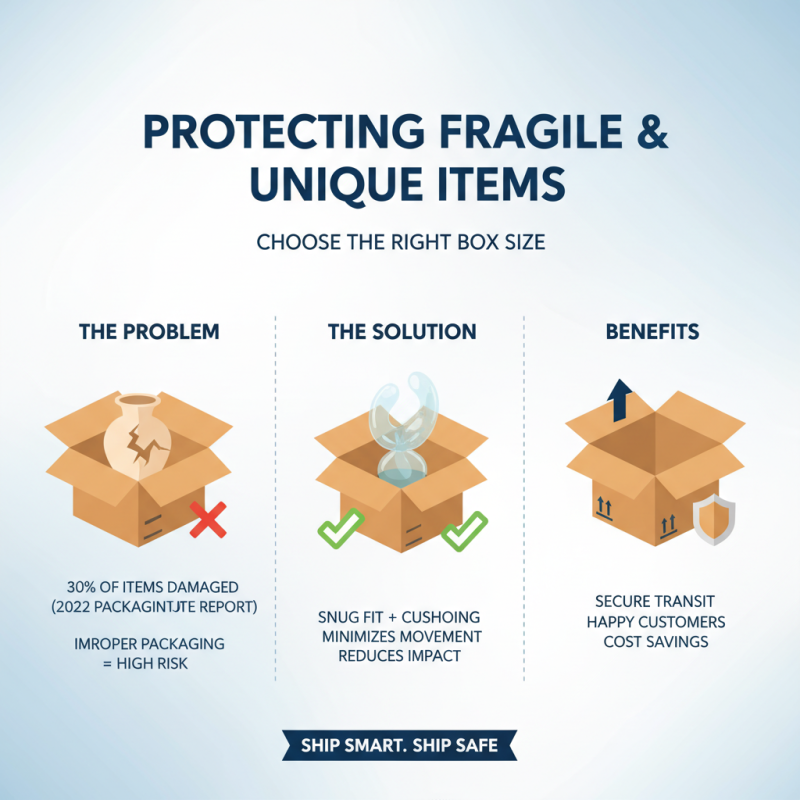
When shipping fragile and unique items, selecting the correct shipping box size is crucial to ensure protection during transit. According to a 2022 report by the Packaging Institute, nearly 30% of shipped items are damaged, with improper packaging being a significant factor. To mitigate these risks, it's essential to choose boxes that fit snugly around the item while providing adequate cushioning. A well-fitted box minimizes movement, reducing the chances of impact damage.
**Tips for Shipping Fragile Items:** Always use packing materials such as bubble wrap or foam peanuts to create a protective buffer around your items. These materials absorb shocks and provide additional support, especially for delicate objects like glass or ceramics. Additionally, consider double-boxing particularly vulnerable items; this method involves placing your item in a smaller box, which is then placed inside a larger box with more cushioning material.
For unique items that may not conform to standard box sizes, exploring custom box options can be a beneficial strategy. A 2023 survey by the Custom Packaging Association revealed that 25% of businesses have reduced returns and damages by utilizing tailored packaging solutions. Creating a box that closely matches your item’s dimensions not only enhances protection but can also create a more appealing unboxing experience for the receiver.