Selecting the right shipping box sizes can significantly impact your business. Experts in the shipping industry stress the importance of this decision. Emily Carter, a logistics specialist, once remarked, "Choosing the appropriate box size can save you money and ensure safe delivery."
Shipping box sizes directly affect shipping costs and product safety. The wrong size can lead to damaged items. A box that is too large allows for movement and impact during transit. Conversely, a box that is too small can crush products. Both scenarios can result in loss and lower customer satisfaction.
Understanding your product dimensions is crucial. Have you considered the packaging material? Corrugated boxes are often used for heavier items, while flat mailers work for lighter products. Finding a balance between size and sturdiness is essential. Reflecting on these factors can help refine your shipping strategy.

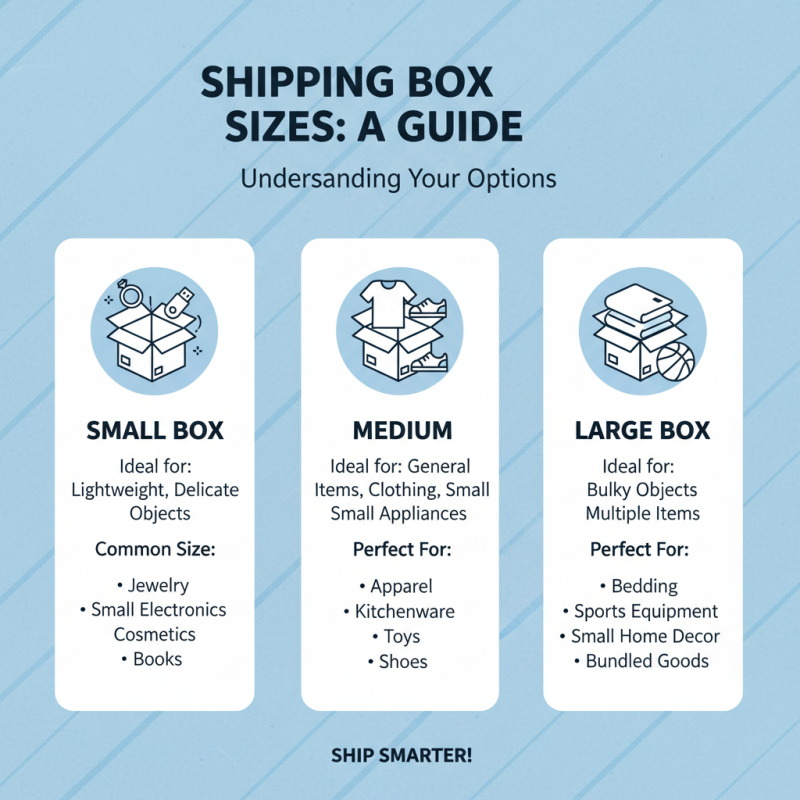
When it comes to shipping, understanding box sizes is critical. Different types serve various needs. Standard sizes include small, medium, and large boxes, fitting various items. Small boxes are perfect for lightweight, delicate objects. They often measure around 8x6x4 inches, ideal for small electronics or jewelry.
Medium boxes, usually around 12x12x8 inches, provide more room. These accommodate books, toys, or clothing. Larger boxes, like 18x18x16 inches, are designed for bulkier items. They can hold bigger equipment or multiple smaller items. Choosing the right size prevents excess space, which may lead to damage during transit.
While box sizes seem straightforward, reflection is essential. A box too large can incur extra shipping costs. Conversely, a box too small risks damaging contents. It’s crucial to balance size with item protection. Consider the weight and fragility of items when selecting a box. This approach not only ensures safety but also enhances the shipping efficiency.
When selecting the best shipping box sizes, several factors come into play. The dimensions of your products are critical. A box that is too large can lead to excess weight and higher shipping costs. According to the Freight Transportation Association, up to 30% of shipping expenses are tied to dimensional weight pricing. This pricing model bases shipping costs on the volume of the package rather than just its weight. Therefore, precise measurements are essential.
Another factor is the nature of the product. Fragile items require a box with additional cushioning. A report by the packaging industry suggests that 28% of packages are returned due to damage during transit. Selecting the right size ensures the product is secure. Custom-fit boxes may be beneficial in such cases, reducing empty space and potential movement.
Sustainability also influences box selection. A 2021 study indicated that 60% of consumers are willing to pay more for eco-friendly packaging. Many companies are moving towards minimalistic designs to lower their carbon footprint. It is important to consider not just the size but the material of the box. This choice affects both environmental impact and cost efficiency. Balancing these factors can lead to better shipping practices.
When it comes to shipping, choosing the right box size is crucial. Understanding common box sizes can help streamline your shipping process. Standard sizes are often 6x6x6 inches for small items, 12x12x12 inches for medium ones, and larger options like 24x24x24 inches for big products. Each size has specific uses, and knowing them can save you time and money.
Consider the weight and fragility of your items. A small box might suffice for lightweight products. However, heavier items often require sturdier packaging. Ensure that your products fit snugly inside the boxes. This prevents damage during transit. Loose items can move around, risking breakage.
Tip: Always have a variety of box sizes on hand. This will make it easier to find the right fit for any item. Measure your items before selecting a box to avoid unnecessary returns. Also, think about your shipping methods. Different carriers might have specific size requirements. Being aware of these can further enhance your shipping efficiency.
Choosing the right box size is critical for shipping. A well-measured box reduces costs and protects your items. It is essential to know how to measure your items correctly.
To select the ideal box size, start by measuring the length, width, and height of your item. Use a ruler or tape measure for accuracy. Allow some space for cushioning materials like bubble wrap or packing peanuts. A snug fit is good, but avoid cramming items into a box. It can lead to damage during transit.
Consider the weight of your shipment. Heavier items require sturdier boxes. If a box is too small, it can burst open. Too large a box can increase shipping costs unnecessarily. Finding the right fit is not just about math; it’s also about testing. You may need to try different sizes to find the best match for your needs. Don’t shy away from adjustments based on your experience. Each shipment teaches you something new.
| Box Size (inches) | Suitable Items | Volume (cubic inches) | Recommended Use |
|---|---|---|---|
| 12 x 12 x 12 | Small Fragile Items | 1,728 | Gift Boxes, Electronics |
| 18 x 18 x 18 | Medium Sized Goods | 5,832 | Home Décor, Clothing |
| 24 x 24 x 24 | Large Items | 13,824 | Furniture, Large Electronics |
| 30 x 30 x 30 | Oversized Items | 27,000 | Large Tools, Sporting Goods |
| 36 x 36 x 36 | Very Large Items | 46,656 | Large Appliances, Bulk Items |
Choosing the right shipping box size can save money and enhance efficiency. When boxes are too big, extra space leads to higher shipping costs. Smaller boxes may risk damage to goods. Striking a balance is essential. This process starts with understanding your items. Measure their dimensions and weight accurately. This knowledge guides you in selecting boxes that fit snugly.
Cost efficiency goes hand in hand with box sizing techniques. Use void fill materials wisely. They minimize movement and prevent damage during transit. However, overpacking can lead to wasted material. It’s essential to find the right amount.
Think about your shipping frequency, size variety, and weight distribution. These factors influence box size decisions. Experiment with custom box sizes; they might seem costly initially, but they optimize space in the long run.
Consider seasonal fluctuations in shipping demands. Sometimes, it’s tempting to bulk purchase standard box sizes. This strategy may not always yield the best results. Flexibility is key, as demands can shift unexpectedly. Regularly reassess your shipping strategies and box sizing. Small adjustments can lead to better cost management and improved customer satisfaction. An open mindset towards refinement can propel efficiency forward.