2026 Best Small Boxes for Global Buyers to Consider
In the dynamic world of packaging, small boxes play a vital role in various industries. Recent studies indicate that the global packaging market is expected to reach approximately $1 trillion by 2026, with a significant portion attributed to small boxes. These versatile containers cater to a wide range of products, from cosmetics to electronics. However, as the demand grows, so does the need for quality and innovative designs.
While companies strive to maintain profit margins, they often overlook the importance of sustainability. Eco-friendly materials are becoming a necessity, yet nearly 50% of businesses still rely on traditional packaging. This paradox highlights the ongoing struggle in balancing cost and responsibility. Small boxes must be both functional and environmentally conscious to meet future buyer expectations.
Moreover, consumer preferences are shifting. Today, buyers seek not only practicality but also aesthetics in packaging. Reports show that nearly 70% of consumers are influenced by packaging design. Therefore, investing in small boxes that stand out is essential. As we explore the best options for global buyers in 2026, it is crucial to address these challenges and identify the small boxes that will not only protect products but also appeal to discerning consumers.
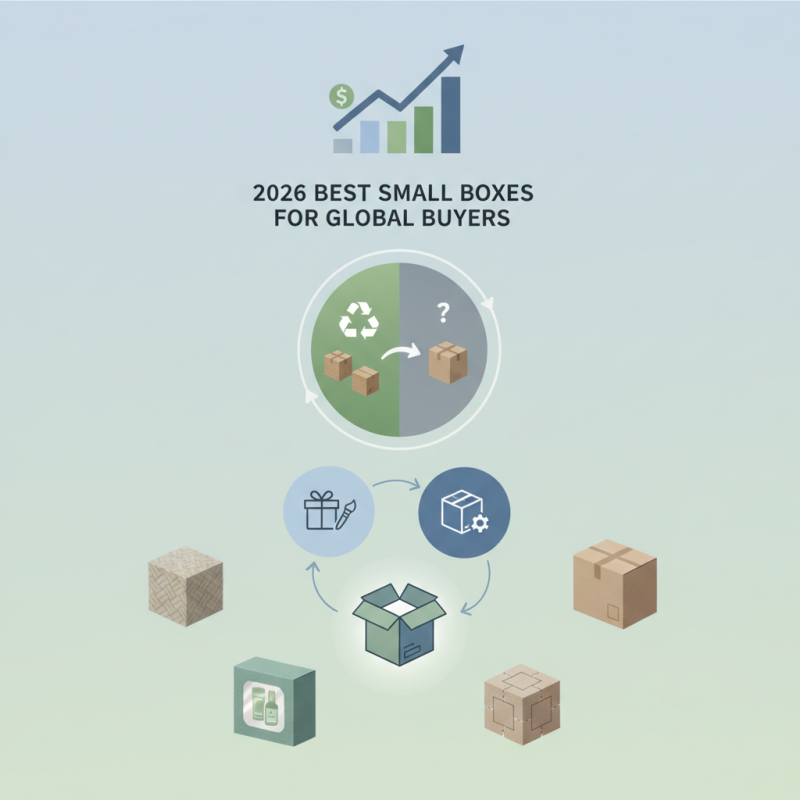
Understanding the Importance of Small Boxes for Global Buyers
In today's global market, small boxes play a pivotal role for buyers and sellers alike. They are critical for packaging, shipping, and protecting products. This is especially true for businesses dealing with diverse markets. Small boxes not only ensure goods arrive safely but also enhance the buyer's experience. Buyers need to consider various factors, from durability to size requirements.
Many businesses overlook the significance of choosing the right box. Inadequate packaging can lead to damaged products or poor customer satisfaction. For global buyers, it’s essential to understand local preferences too. Some regions value eco-friendly materials, while others prioritize cost-effectiveness. Researching these trends can guide buyers in making informed decisions.
The art of selecting small boxes is not just logistical. It requires a keen understanding of market dynamics and consumer needs. Mistakes can happen. Choosing a box that’s too big or flimsy can result in costly returns. Reflecting on previous packaging choices can provide insights for future improvements. Every decision counts in a competitive landscape.
Key Features to Look for in Best Small Boxes
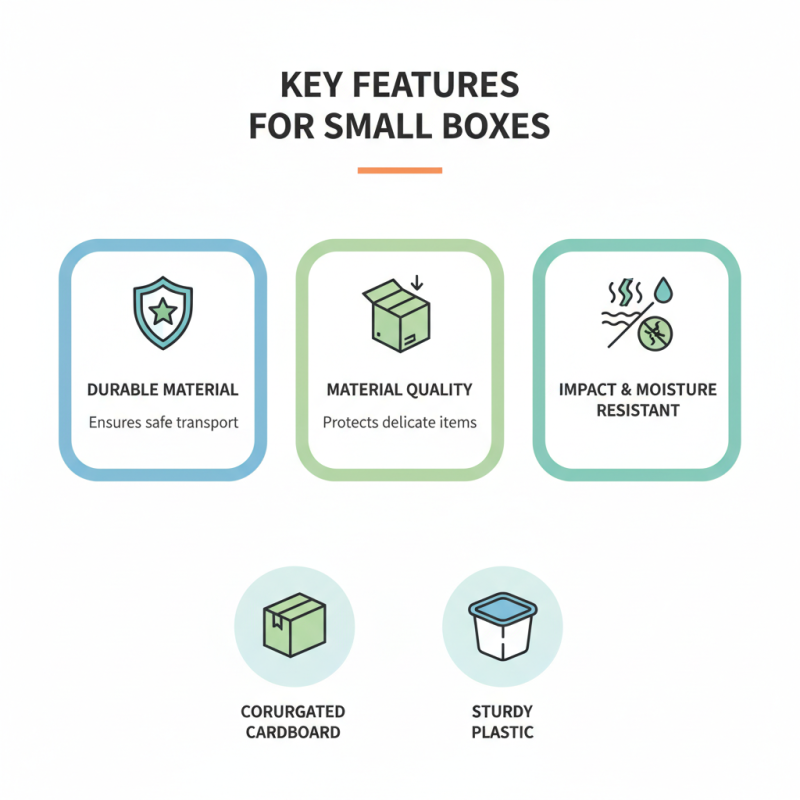
When choosing small boxes, consider material quality. Durable materials ensure safe transport for delicate items. Look for boxes made from corrugated cardboard or sturdy plastic. They provide excellent protection against impacts and moisture.
Next, think about size and shape. A good box should fit items snugly. Overly large boxes can cause shifting, leading to damage. Versatile shapes help with storing various items efficiently. Some boxes offer collapsible designs, which save space when not in use.
Functionality matters greatly. Features like easy-to-seal flaps or built-in handles enhance user experience. Boxes with labeling surfaces allow for easy identification. These small enhancements can save time and effort during organization. However, consider the potential trade-offs, such as added costs or environmental impact. Your choices should reflect careful consideration of both utility and sustainability.
Top Manufacturers of Small Boxes in 2026
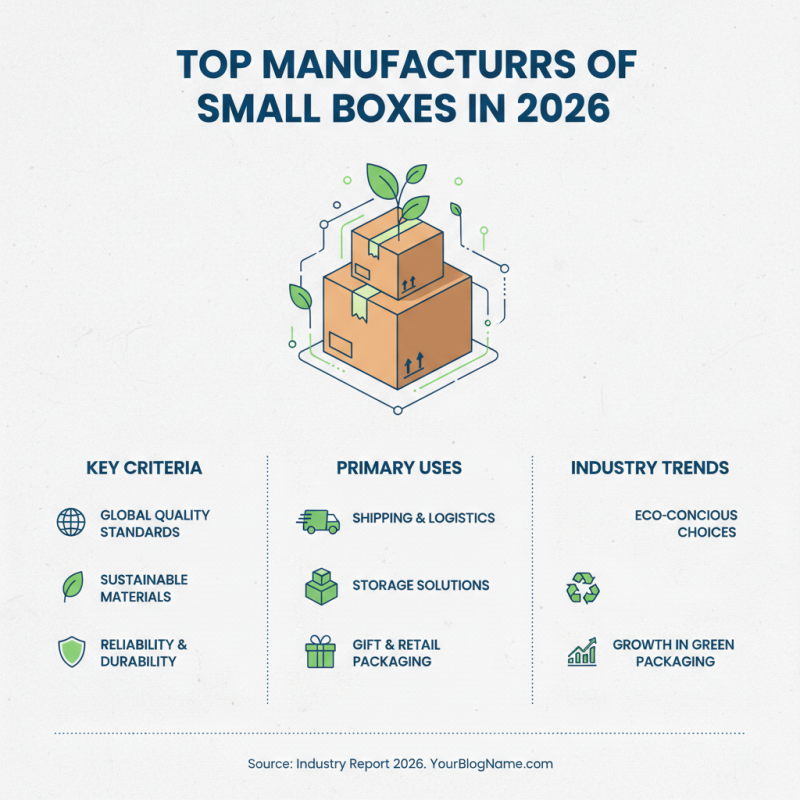
When choosing the best small boxes in 2026, understanding the top manufacturers is crucial. They provide options that cater to various needs—shipping, storage, or gift packaging. These manufacturers excel in quality, ensuring each product meets global standards. Many use sustainable materials, which appeal to eco-conscious buyers. This trend reflects a growing desire for greener choices in packaging.
Manufacturers often innovate to improve design and usability. Features like easy assembly, sturdy construction, or customizable graphics enhance item appeal. However, some boxes still lack durability or are not user-friendly. This inconsistency raises concerns about dependency on certain suppliers. Evaluating their reliability is vital. Small businesses should weigh these factors carefully before making a decision.
Buyer feedback is another essential aspect. Reviews often highlight both strengths and weaknesses of the products. Some users report dissatisfaction with size options or availability. Others praise unique designs or effective communication from companies. Addressing these flaws contributes to manufacturers’ reputations. It’s always beneficial for buyers to stay informed about the latest developments and reviews.
Popular Materials Used for Small Boxes: A Comparative Analysis
When selecting small boxes, the choice of materials plays a crucial role. Common options include cardboard, plastic, metal, and wood. Each material has unique benefits and drawbacks. For instance, cardboard is lightweight and cost-effective. It is perfect for shipping and storage. However, it may not offer the same level of durability as metal or plastic.
Plastic boxes are waterproof and resistant to various chemicals. They come in various sizes and colors. But plastic is not always environmentally friendly. Many consumers are now hesitant to choose plastic due to sustainability concerns. This presents a dilemma for global buyers who want quality without the environmental impact.
Wooden boxes provide a rustic charm and strength. They are ideal for packaging high-value items. Yet, they can be costly and heavy. Not all buyers are willing to invest in wood when cheaper options are available. Thus, it is essential for buyers to weigh their choices carefully. Choosing the right small box material is not only about cost. It's also about functionality and environmental impact. Global buyers need to consider these factors to make informed decisions.
2026 Best Small Boxes for Global Buyers: Material Comparison
Global Trends Influencing the Small Box Market in 2026
As we delve into the small box market for 2026, it's essential to recognize the global trends shaping this sector. The demand for
eco-friendly packaging continues to rise. According to a recent market report, 70% of consumers are willing to pay more for
sustainable products. Many manufacturers are shifting towards biodegradable materials. This shift not only meets consumer expectations but also aligns with
international regulations focusing on sustainability.
The e-commerce boom is another significant trend influencing the small box market. Online sales are projected to grow by over 20% annually. Businesses are looking for
packaging solutions that ensure product safety during delivery. Small boxes offer the perfect balance of protection and space efficiency.
However, some companies struggle to optimize their packaging processes effectively. Many still rely on traditional methods, leading to waste and inefficiency. A more
innovative approach is necessary for competitive advantage.
Additionally, customization is becoming increasingly important. Brands are seeking unique packaging designs to stand out. Research indicates that
personalized packaging increases customer engagement by 15%. Yet, not all businesses have the resources
to innovate their designs. Smaller companies often face challenges in accessing advanced printing technologies. This gap requires reflection and strategic planning
in packaging solutions.