2025 How to Choose the Best Cardboard Packaging for Your Business Needs
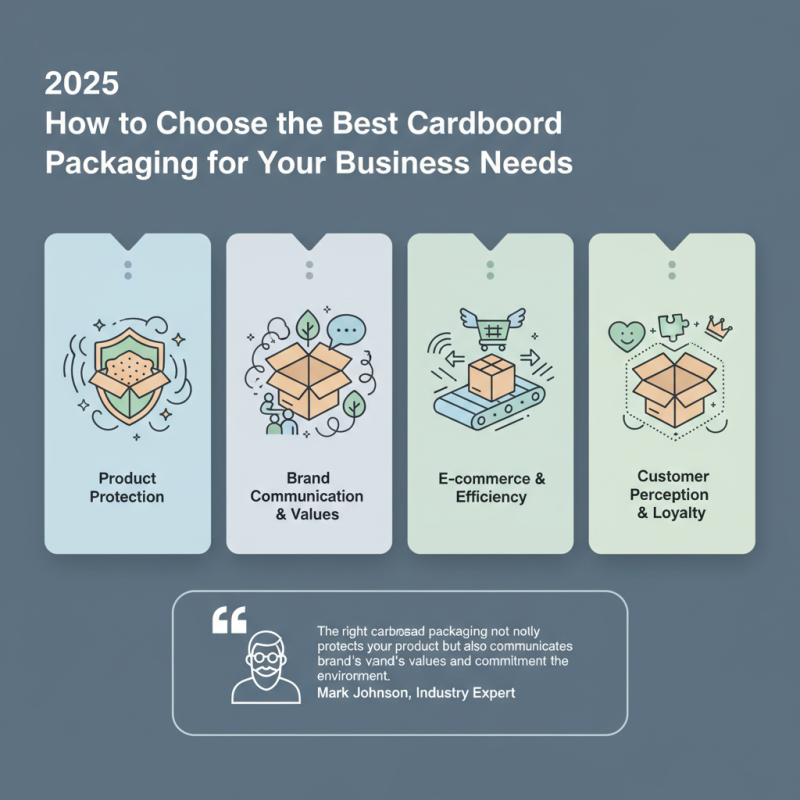
In today's rapidly evolving marketplace, selecting the right cardboard packaging is crucial for businesses aiming to enhance their product presentation while ensuring sustainability. Industry expert Mark Johnson, a renowned consultant in the packaging field, emphasizes the importance of this choice by stating, “The right cardboard packaging not only protects your product but also communicates your brand’s values and commitment to the environment.” As companies face increasing pressure to adopt eco-friendly practices, understanding the options available within the realm of cardboard packaging becomes essential.
With a variety of styles, sizes, and materials to choose from, making an informed decision can be overwhelming. The effectiveness of cardboard packaging goes beyond its mere functionality; it plays a pivotal role in customer perception and brand loyalty. Furthermore, as e-commerce continues to grow, businesses must consider how their packaging choices can impact shipping efficiency and customer satisfaction. By focusing on the needs of both the product and the consumer, companies can craft packaging solutions that not only meet their operational requirements but also resonate with their target audience.
Understanding the Importance of Cardboard Packaging for Businesses
Cardboard packaging plays a pivotal role in the success of businesses across various sectors. As highlighted in industry reports, over 67% of consumers consider packaging as an integral aspect of their purchase decision, which signifies the need for businesses to prioritize their packaging choices. Not only does cardboard packaging protect products during transit, but it also serves as a marketing tool that enhances brand visibility. In fact, research by Smithers Pira reveals that the global cardboard packaging market is projected to reach $400 billion by 2024, underscoring its significance in the competitive landscape.
When selecting the best cardboard packaging, it's essential to consider both functionality and sustainability. Opting for eco-friendly materials can significantly improve a brand's image, as 74% of consumers are more likely to purchase from companies committed to sustainable practices. To achieve this, businesses should aim to choose recyclable and biodegradable packaging options that resonate with environmentally conscious customers.
**Tips:** When evaluating cardboard packaging options, assess the structural integrity needed for your products. Light-weight items may require less rigid materials, while fragile items need more robust protection. Additionally, consider the aesthetic aspects of packaging that align with your brand identity, ensuring that it not only serves a protective function but also attracts and engages customers.
2025 How to Choose the Best Cardboard Packaging for Your Business Needs - Understanding the Importance of Cardboard Packaging for Businesses
| Packaging Type |
Durability |
Cost (per unit) |
Eco-Friendliness |
Suitability for Products |
| Regular Slotted Container (RSC) |
High |
$0.50 |
Yes |
General shipping |
| Die-Cut Boxes |
Medium |
$0.75 |
Yes |
Custom product shapes |
| Foldable Boxes |
Low |
$0.40 |
Yes |
Low-weight items |
| Pizza Boxes |
High |
$0.60 |
Yes |
Food delivery |
| Mailer Boxes |
Medium |
$0.55 |
Yes |
E-commerce items |
Identifying Different Types of Cardboard Packaging Solutions
When selecting the best cardboard packaging solutions for your business, it’s crucial to first understand the various types available. Cardboard packaging primarily comes in four forms: single-wall, double-wall, and triple-wall corrugated cardboard, as well as solid fiberboard. According to industry reports, single-wall corrugated cardboard is the most cost-effective choice for lightweight shipping needs, often favored by e-commerce businesses. It provides adequate protection for standard items while keeping shipping costs low.
On the more robust side, double-wall and triple-wall corrugated options are designed for heavier, bulkier products. The International Corrugated Packaging Foundation reports that these thicker options can withstand significant pressure and stacking, making them ideal for storage and shipping of heavier goods. Solid fiberboard, while typically used for smaller items, offers excellent cushioning and is often preferred for fragile products such as electronics. Understanding the specific requirements of your products will enable you to choose the right type and thickness of cardboard packaging that enhances safety and reduces transit damage.
Evaluating Cardboard Quality and Sustainability Factors
When selecting cardboard packaging for your business, the quality and sustainability factors are paramount. High-quality cardboard not only protects your products during transit but also reflects your brand's values. Key indicators of cardboard quality include its thickness, durability, and resistance to moisture and tearing. Additionally, packaging that offers structural integrity ensures that items remain safe and intact, reducing the risk of damage that could harm your reputation and bottom line.
Sustainability is another critical aspect to consider. With growing consumer awareness about environmental issues, opting for eco-friendly cardboard solutions can set your business apart. Look for packaging made from recycled materials or those that can be recycled after use. Certifications from recognized environmental standards can also guide your choice, highlighting materials that contribute to a reduced carbon footprint. By considering both quality and sustainability, you not only meet the operational needs of your business but also demonstrate a commitment to responsible practices that align with the values of your customers.
Analyzing Cost Considerations for Custom Cardboard Packaging
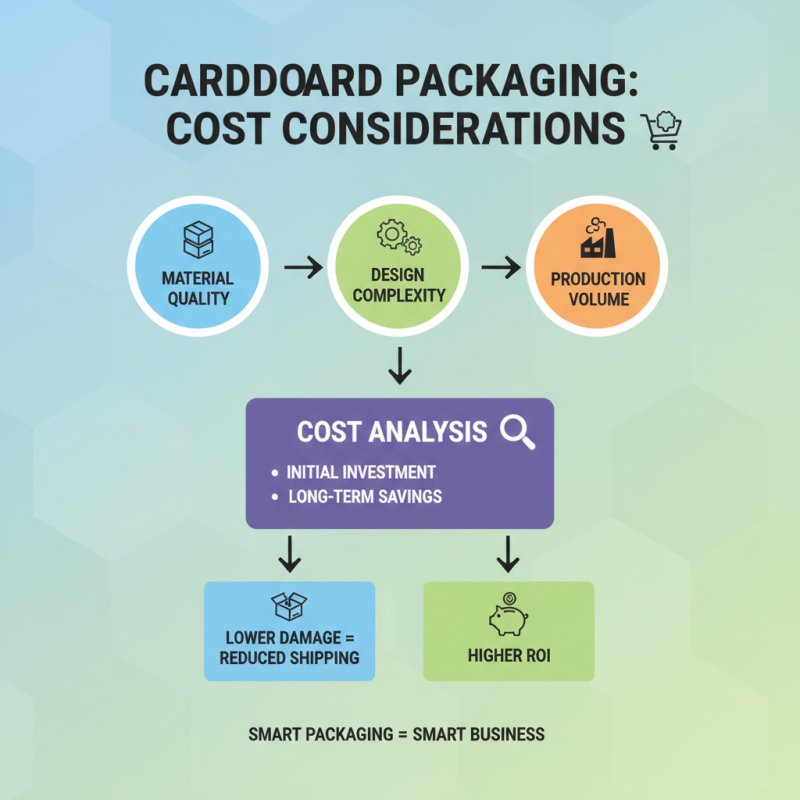
When selecting cardboard packaging for your business, cost considerations play a crucial role. Custom cardboard packaging can vary greatly in price, influenced by factors such as material quality, design complexity, and production volume. Before committing to a specific type of packaging, it's essential to conduct a thorough cost analysis that includes not only the initial investment but also potential long-term savings. For instance, opting for higher-quality materials may lead to reduced shipping costs due to lower damage rates, thereby improving your overall return on investment.
Additionally, businesses should consider the balance between cost and functionality. Cheaper packaging may save money upfront, but if it fails to protect products adequately during transit, it can lead to increased returns and dissatisfied customers. Taking the time to assess packaging needs against budget constraints will help identify options that align with business goals while ensuring product integrity. By evaluating these factors carefully, companies can make informed decisions that support their financial health without compromising on quality.
Selecting the Right Supplier for Your Cardboard Needs
Choosing the right supplier for your cardboard packaging needs is a crucial decision that can significantly affect your business operations. A recent study by Smithers Pira highlighted that the global market for cardboard packaging is expected to reach $390 billion by 2025, emphasizing the increasing importance of sustainable and efficient packaging solutions. As businesses prioritize eco-friendly options, selecting a supplier who practices sustainability can enhance your brand's image and meet consumer expectations.
When evaluating potential suppliers, consider several key factors. First, assess their production capabilities and technology investments. Suppliers utilizing advanced manufacturing techniques are more likely to provide high-quality, consistent products that align with your specifications. Additionally, communication and customer service are vital; a responsive supplier can address your needs promptly, ensuring a smoother workflow.
**Tips:**
1. Request samples of their products to evaluate their quality firsthand before making a commitment.
2. Inquire about their sustainability practices; suppliers that use recycled material and sustainable processes can contribute to your green initiatives.
3. Review their certifications, such as ISO standards, to ensure they comply with industry regulations and quality benchmarks.
Cardboard Packaging Types and Their Demand in 2025