Why Choose Corrugated Shipping Boxes for Your Packaging Needs?
When it comes to packaging, corrugated shipping boxes stand out for many reasons. These boxes are made from sturdy materials, offering a reliable solution for shipping various products. Their unique design provides excellent protection against damage during transit. With the right size and strength, they can accommodate items of all shapes and sizes.
Businesses often overlook the importance of choosing the right packaging. It's vital to reflect on how inadequate packaging can lead to customer dissatisfaction and increased costs. Every detail matters, from the quality of the corrugated shipping boxes to how they fit the items inside. Businesses should ask themselves if their current packaging truly meets their needs.
In today's competitive market, packing options affect brand reputation. Using high-quality corrugated shipping boxes can enhance customer experience. They are not just functional, but they also convey a message of care and professionalism. Evaluating packaging choices is essential, as it can significantly impact customer loyalty and sales.

Benefits of Using Corrugated Shipping Boxes for Packaging
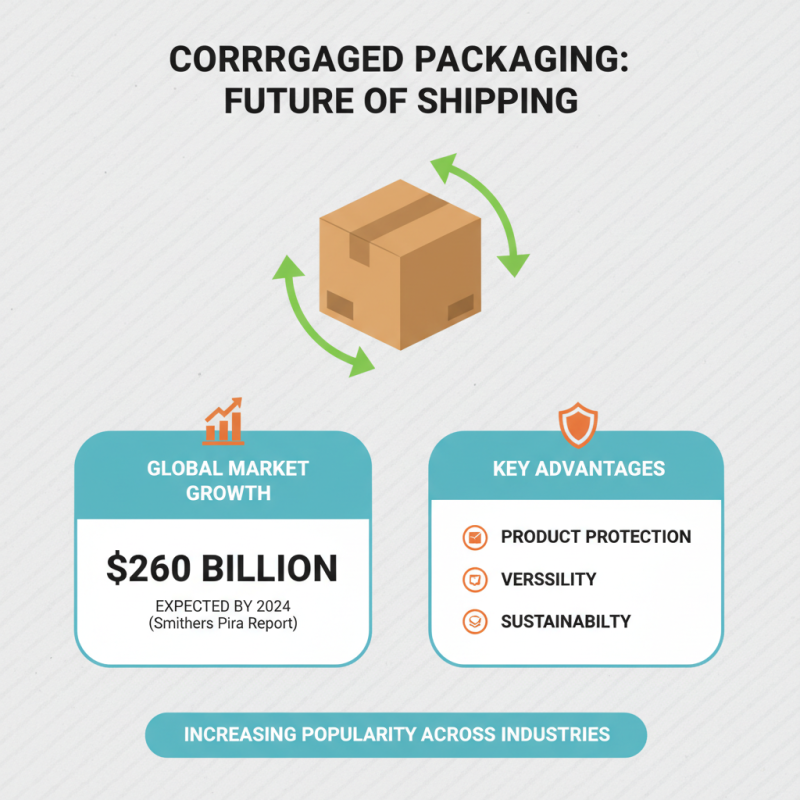
Corrugated shipping boxes are increasingly popular in the packaging industry. They provide excellent protection for products during transit. According to a report by Smithers Pira, the global market for corrugated packaging is expected to reach $260 billion by 2024. This growth highlights the importance of these boxes in various sectors.
One major benefit is their strength-to-weight ratio. Corrugated boxes are lightweight yet durable. This means lower shipping costs and reduced carbon footprints. The Environmental Protection Agency (EPA) states that nearly 70% of corrugated boxes are recycled. Using these boxes can significantly enhance a company’s sustainability profile. Many brands are choosing them for eco-friendly packaging solutions.
However, not every corrugated box is created equal. Some may not withstand certain conditions, such as humidity. Measuring the quality of the corrugated material is crucial. Companies must ensure they select boxes suitable for their specific needs. This decision can make a difference in product safety and customer satisfaction. Ultimately, the right corrugated box can elevate a company's logistics strategy while promoting environmental responsibility.
Key Features of Corrugated Shipping Boxes Explained
Corrugated shipping boxes are a popular choice for packaging. They are made of layered paper that offers strength and durability. The unique construction provides excellent protection for products during transport. The lightweight nature of these boxes makes them easy to handle.
One key feature of corrugated boxes is their cushioning ability. The air pockets between the layers absorb shocks. This protects the contents from damage.
In addition, they are customizable. You can choose various sizes and shapes to suit your needs. This flexibility allows businesses to save space and reduce shipping costs.
Tips: When using corrugated boxes, consider adding extra padding for fragile items. This can enhance protection further. Avoid overloading the boxes as well. Too much weight can compromise their integrity. It’s worth reflecting on the packaging materials you use. They should align with your brand’s sustainability goals and customer expectations.
Environmental Impact of Corrugated Shipping Boxes
The environmental impact of corrugated shipping boxes is significant. Made from recycled materials, they often reduce waste. These boxes can be recycled repeatedly. This helps alleviate landfill congestion. In contrast, plastic packaging contributes to long-lasting pollution. A single use of plastic can take hundreds of years to decompose.
The production of corrugated boxes uses less water and energy compared to other materials. This conservation reduces carbon footprints. However, it’s essential to consider sourcing. If the paper comes from non-sustainable forests, the benefit diminishes. Responsible sourcing is crucial for true sustainability.
Many businesses still overlook the importance of packaging choices. They focus solely on cost rather than long-term impacts. Education about materials is necessary for improvement. Making simple changes can lead to a more sustainable future. Embracing corrugated shipping boxes can be a step in the right direction. Yet, continuous reflection on practices is vital.
Environmental Impact of Corrugated Shipping Boxes
Comparative Analysis: Corrugated Boxes vs. Other Packaging Options
When it comes to packaging, corrugated shipping boxes stand out for numerous reasons. They are lightweight yet exceptionally strong, making them perfect for transporting goods. Industry reports indicate that corrugated boxes account for over 30% of the total packaging market. They outperform plastic, paper, and foam options in many ways. Corrugated boxes offer superior protection, especially during long-distance shipping. Water resistance and cushioning enhance their reliability.
On the flip side, plastic packaging may seem attractive due to its durability. However, it lacks the recyclable properties of corrugated material. Recent studies show that over 90% of corrugated materials are recycled. This eco-friendliness appeals to conscious consumers. Paper-based options are lighter but often lack the necessary strength for heavy items. In some cases, they can warp or tear more easily.
Tip: Always assess the weight of your items to choose the right box strength.
When comparing costs, corrugated boxes typically have a lower total cost of ownership. They are less expensive to produce and ship than many alternatives. Yet, some businesses hesitate due to price fluctuations and availability. A cautionary note: ensure you source boxes from reliable suppliers to avoid delays.
Tip: Keep extra stock on hand to manage unexpected demand spikes.
Tips for Choosing the Right Corrugated Shipping Box Size and Type
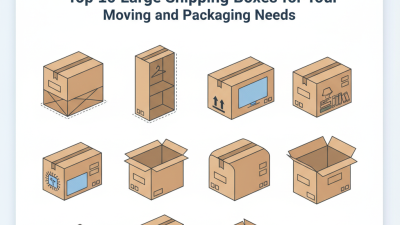
Choosing the right size and type of corrugated shipping box is crucial. The box should fit your product snugly. A good fit minimizes movement during transport. When a box is too big, items can shift and may damage each other. Think about the weight and dimensions of your item. Consider the fragility too.
You might face challenges when selecting a box. Sometimes, you may misjudge the size needed. If you choose a box that’s too small, it won’t close properly. If it's too large, you might waste materials. It’s essential to measure your products accurately. Use a tape measure for precision. Also, think about whether you need extra cushioning or support.
Don’t forget the type of corrugated box. Different materials provide varying levels of protection. Some offer more strength for heavier items. Others are lighter for smaller goods. Weigh your packaging options carefully. Experimentation may be necessary. Be prepared to change your approach based on outcomes. The right box can save money and improve customer satisfaction.
Why Choose Corrugated Shipping Boxes for Your Packaging Needs? - Tips for Choosing the Right Corrugated Shipping Box Size and Type
| Box Type |
Material |
Dimensions (inches) |
Weight Capacity (lbs) |
Uses |
| Single Wall Box |
Corrugated Fiberboard |
12 x 12 x 12 |
30 |
General shipping, lightweight products |
| Double Wall Box |
Corrugated Fiberboard |
16 x 16 x 16 |
60 |
Heavy items, electronics |
| Multi-Depth Box |
Corrugated Fiberboard |
12 x 10 x 8 (adjustable) |
50 |
Versatile shipping, for varying product sizes |
| Retail Box |
Corrugated Fiberboard / White Box |
10 x 8 x 6 |
20 |
Retail product display, small items |
| Heavy Duty Box |
Double Wall Corrugated |
24 x 18 x 18 |
100 |
Construction materials, industrial goods |