Why Choose a Plastic Jar with Lid for Your Storage Needs?
When it comes to storage solutions, choosing the right container is vital. A Plastic Jar with Lid offers versatility for various needs. These jars are lightweight and come in different sizes, making them a practical choice for anyone.
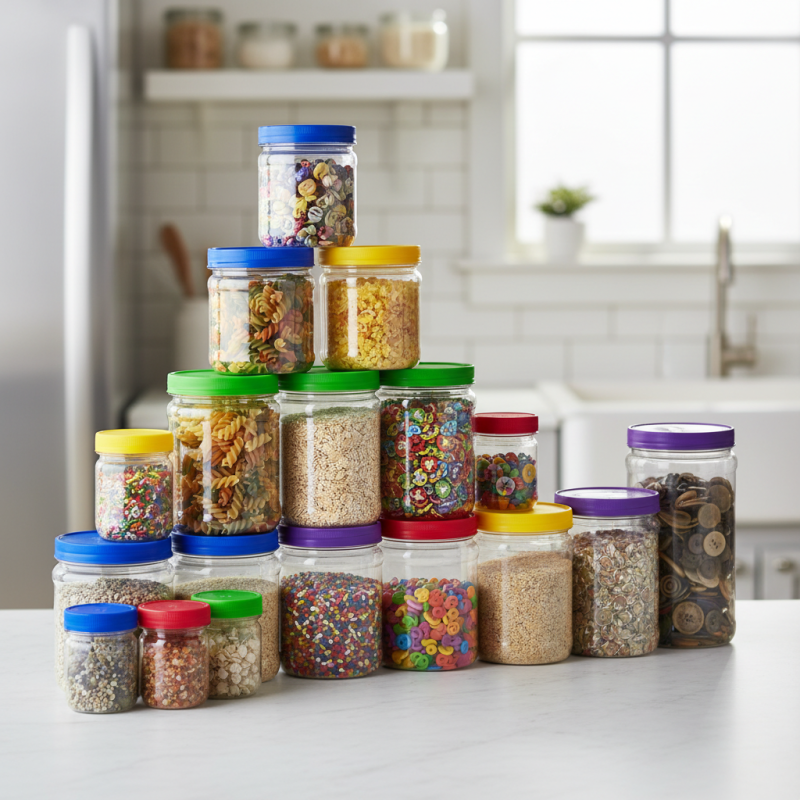
Picture your kitchen organized with a stack of colorful Plastic Jars with Lid neatly lined up. Each jar can hold everything from dry goods to craft supplies. The options are endless. However, not all plastic jars are equal. Some may not seal well, leading to stale food.
Think about your storage habits. Do you often find items spilling out of unlidded containers? A Plastic Jar with Lid can prevent this chaos. Choose wisely, and you can enhance your organization while ensuring freshness. Remember, the right jar can make a significant difference in how you manage your space.
Benefits of Using Plastic Jars with Lids for Storage Solutions
When it comes to storage solutions, plastic jars with lids are incredibly practical. They are lightweight and highly durable, making them ideal for various environments. Whether you need to store food, craft supplies, or small tools, these jars keep everything organized and accessible. Their transparent design allows easy visibility of contents. You won’t have to guess what’s inside each jar.
Another significant advantage is their airtight sealing. This feature helps in keeping items fresh. Food stored in these jars can last longer without spoilage. However, be mindful of plastic’s limitations. Over time, some plastics can degrade or absorb odors. Choosing high-quality plastic is crucial, but even then, it may not last forever. Consider using jars specifically designed for your intended items to ensure proper storage.
While plastic jars are versatile, they are not always perfect. They can scratch, and some can become flimsy with improper use. It's essential to check them regularly and replace any that show signs of wear. Finding the right balance between convenience and maintenance is key. By reflecting on these aspects, you can maximize the benefits of using plastic jars with lids in your storage solutions.
Benefits of Using Plastic Jars with Lids for Storage Solutions
Durability and Cost-effectiveness of Plastic Jar Materials
Plastic jars with lids are gaining popularity in storage solutions due to their durability and cost-effectiveness. According to a study by the Plastics Industry Association, plastic materials can be five to ten times lighter than glass. This property makes plastic jars more affordable to transport and handle. Additionally, plastic containers are less prone to breaking. Around 20% more products can be stored without worrying about damage.
The cost benefits are significant. A report from Freedonia Group highlights that the global plastic packaging market is projected to reach $400 billion by 2025. Consumers see plastic jars as an economical choice. They can often purchase plastic jars for a fraction of the cost of glass alternatives. However, some question the long-term environmental impact. While plastic production is efficient, recycling rates remain low.
Moreover, plastic jars can lose clarity over time. Factors like exposure to sunlight can lead to haziness. Yet for short-term storage, they remain functional. The demand for affordable, durable storage solutions supports the plastic jar's growing market presence. Balancing cost and sustainability is a challenge that needs addressing.
Why Choose a Plastic Jar with Lid for Your Storage Needs?
| Feature | Plastic Jar | Glass Jar |
| Durability | High impact resistance | Prone to breaking |
| Weight | Lightweight for easy handling | Heavier, can be cumbersome |
| Cost | Generally more affordable | More expensive |
| Seal and Protection | Good seal against moisture | Seals well but can allow air permeability over time |
| Recyclability | Recyclable, depending on the type | Recyclable glass |
Impact of Plastic Jars on Organizing and Reducing Waste
Plastic jars with lids play a significant role in organizing our lives and reducing waste. According to a recent report by the National Association for PET Container Resources, using plastic containers can lead to a 30% decrease in food waste. This is largely because airtight lids keep food fresh longer. In households, valuable space opens up with these jars. They stack easily and are lightweight, making them a practical choice for any storage need.
However, not all plastics are created equal. While many consumers love these containers, not all are recyclable. The recycling rates for plastic vary significantly. In 2019, the EPA reported only 8.7% of plastic was recycled in the U.S. This indicates a large gap between usage and sustainable practices. Users should actively seek out options that use recyclable materials. Engaging in mindful purchasing habits can support a circular economy.
Plastic jars can help cut down on single-use plastics, but challenges remain. Some users still rely on disposable products. Despite their convenience, struggling with habits is common. Making the switch to reusable jars requires effort. Awareness of plastic's environmental impact should drive better choices. Embracing these jars can be one step towards a more organized and eco-friendly lifestyle.
Versatility of Plastic Jars in Various Industries and Applications
Plastic jars with lids are increasingly popular across various industries. Their lightweight design and durability make them an excellent choice for storage. According to a recent industry report, the global plastic packaging market is expected to reach $500 billion by 2024, highlighting the growing demand for versatile storage solutions like plastic jars.
In the food industry, plastic jars ensure safety and extend shelf life. They are often used for storing snacks, sauces, and spices. A survey indicated that 70% of consumers prefer plastic packaging due to its convenience. However, the challenge remains regarding recycling. Many consumers are unaware of proper disposal methods, which complicates sustainability efforts.
Chemical and pharmaceutical industries also benefit from plastic jars. These containers offer protection from moisture and contaminants. A study found that nearly 60% of companies see cost savings by using plastic over glass or metal options. Yet, the perception of plastic as less eco-friendly persists. Finding ways to improve recycling and promote awareness remains crucial for the industry.
Safety Standards and Regulations for Food-Safe Plastic Containers
When considering storage options, safety is paramount, especially with food items. Plastic jars with lids are popular for various reasons. However, not all plastic containers are created equal. A significant number of home storage containers do not meet food safety standards. According to a recent report by the Food Packaging Forum, nearly 30% of plastic products fail specific safety tests for food contact materials.
To ensure safety, always look for containers labeled as BPA-free. BPA, or bisphenol A, is a chemical found in many plastics, linked to health concerns. The U.S. Food and Drug Administration has restrictions on BPA in food contact materials. Studies show that prolonged exposure can lead to adverse health effects. It's essential to choose containers that comply with these regulations.
**Tip:** Before purchasing, check for certification labels. These indicate that the product meets safety standards.
Additionally, be aware of manufacturing dates. Older plastics may degrade and release harmful substances. This can happen even if the container appears intact. The National Institutes of Health found that some containers can leach harmful chemicals after years of use. Regularly inspect your storage options for signs of wear and tear.
**Tip:** Replace containers that show any cloudiness or discoloration. This can indicate potential safety hazards.
By making informed choices, you can enhance the safety of your food storage.