How to Choose the Right Carton Box for Your Shipping Needs?
Choosing the right carton box for shipping can be challenging. Each shipment is unique, requiring careful consideration. Industry expert John Smith once said, "The right carton box can make or break your shipping experience." This highlights the importance of selection.
When it comes to carton boxes, factors such as size, strength, and material matter significantly. A wrong choice could lead to damage or increased costs. It's essential to evaluate the product's weight and fragility. For instance, a delicate item needs a sturdier box. A sturdy design can protect against impacts during transit.
However, while selecting, we often overlook details. Sometimes, we focus too much on price rather than quality. This can result in poor choices that affect the shipment's safety. Therefore, reflecting on these elements before purchasing is essential. Understanding both needs and limitations will lead to a more effective shipping solution.
Understanding the Different Types of Carton Boxes Available
When selecting the right carton box for shipping, understanding box types is crucial. There are various options to choose from. Each type serves specific needs. Regular slotted containers are commonly used. They are sturdy and easy to assemble. If you require more strength, consider double-wall boxes. They can handle heavier items without collapsing.
For fragile items, you might need padded boxes. These provide extra protection during transit. Specialized boxes are designed for unique shapes or sizes. They might cost more but ensure safety. Rigid boxes offer another layer of security. However, they can be bulky and cumbersome. Reflect on your product's requirements before making a decision. It’s easy to overlook the box size or strength needed.
Sometimes, businesses choose the wrong type. This failure can lead to damaged goods or wasted shipping costs. Always assess what you are shipping carefully. How heavy is it? Is it fragile? These questions matter. Your choice of carton box can significantly impact the shipping experience. Make sure to weigh your options thoughtfully.
Factors to Consider When Choosing a Carton Box for Shipping
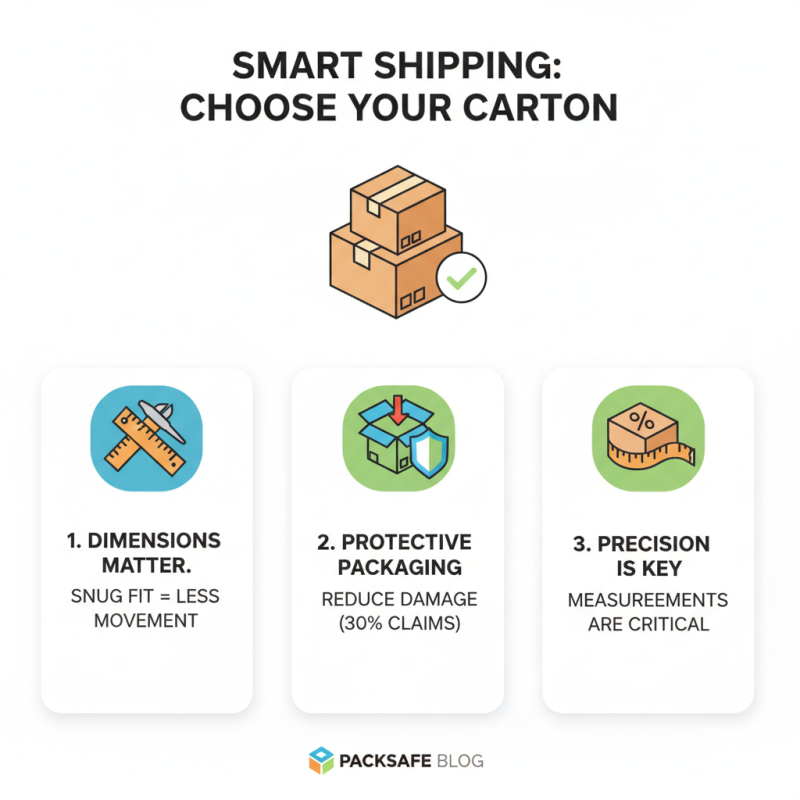
When selecting the right carton box for shipping, consider several key factors. The dimensions of the box must align with the items being shipped. A snug fit reduces movement inside during transit. According to a recent study, nearly 30% of damage claims stem from insufficient packaging. So, precise measurements are critical.
Material choice is a significant aspect too. Corrugated cardboard is often preferred for its durability. It withstands pressure and protects contents effectively. Interestingly, reports indicate that using the right material can reduce shipping costs by up to 15%. However, many businesses overlook this factor, leading to potential losses.
Tips: Always test your packaging methods with a few shipments. Adjust based on feedback. Also, consider the environmental impact of your box choice. Recyclable materials are preferred. Yet, not all options are eco-friendly. Reflect on how your choices affect sustainability.
Determining the Right Size and Strength for Your Shipment
Choosing the right carton box for shipping involves understanding size and strength. The dimensions of a box can significantly impact shipping costs and product safety. According to recent industry studies, nearly 30% of shipping damages are due to improper packaging. Smaller boxes lead to higher packing efficiency but might not accommodate the product properly. This can result in increased risks.
Strength is equally important. Different materials offer varying levels of durability. For example, a double-walled carton box can hold up to 50% more weight than a single-walled box. However, it may be overkill for lighter items. Careful consideration is essential here. Many businesses report occasional miscalculations, leading to excess costs or damaged goods.
A box that is too large allows products to shift during transit. This creates potential for breakage. On the other hand, a box that is too small can compress items and lead to damage. A comprehensive understanding of product dimensions is key. Often, sellers overlook this crucial step. Testing different carton sizes before a larger shipment could save money and reduce waste.
Exploring Eco-Friendly Options for Carton Boxes
When considering eco-friendly options for carton boxes, it's essential to assess the materials used. Recycled cardboard is a popular choice. It not only reduces waste but also minimizes resource extraction. Some lesser-known options include mushroom packaging and cornstarch-based products. They may not be as widely available but offer exciting alternatives.
Another important aspect is the box's functionality. An overly large box can lead to excess material use. Ensuring a snug fit for your items is crucial. It saves space and reduces environmental impact. Yet, many struggle to find the balance between protection and minimalism.
Moreover, consumers often overlook the carbon footprint associated with shipping. Choosing local suppliers for carton boxes can help. It cuts down transportation emissions and supports local economies. Still, this approach may lead to limited options. It’s vital to stay informed and reconsider choices regularly.
Best Practices for Packing Items into Carton Boxes for Shipping
When packing items into carton boxes for shipping, proper technique matters. Start by choosing the right size box. A box that's too large may allow items to shift, leading to damage. Conversely, a box that's too small can crush delicate contents. Aim for a snug fit.
Use appropriate packing materials. Bubble wrap, foam peanuts, and paper can absorb shock. Surround each item with padding, especially fragile ones. It’s essential to fill empty spaces. Leaving gaps can cause items to rattle. A poorly packed box may arrive in pieces, resulting in loss and frustration.
Sealing the box correctly is crucial. Use strong packing tape. Make sure to reinforce seams. Remember, the weight of packages affects their durability. Overpacking can lead to problems. Take your time when labeling. Clear, legible addresses prevent misdelivery. A small oversight can delay shipping and create headaches.