How to Choose the Best Large Shipping Boxes for Your Business?
Choosing the right large shipping boxes is crucial for any business. The size, material, and design of these boxes can significantly affect shipping costs and product integrity. Many companies overlook the importance of selecting appropriate boxes, leading to damages and losses during transit.
When evaluating large shipping boxes, consider factors like weight capacity and durability. Think about how the boxes will withstand various shipping conditions. For example, moisture-resistant materials may be essential for sensitive items. Additionally, not all businesses require the same box dimensions. Understanding your product's specifications is key to making the best choice.
Reflecting on previous shipping experiences can reveal valuable insights. Did your items arrive damaged? If so, reconsidering the type of large shipping boxes used could prevent future issues. Remember, investing in quality packaging now can save money and reduce stress later.
Understanding Your Shipping Needs for Large Items
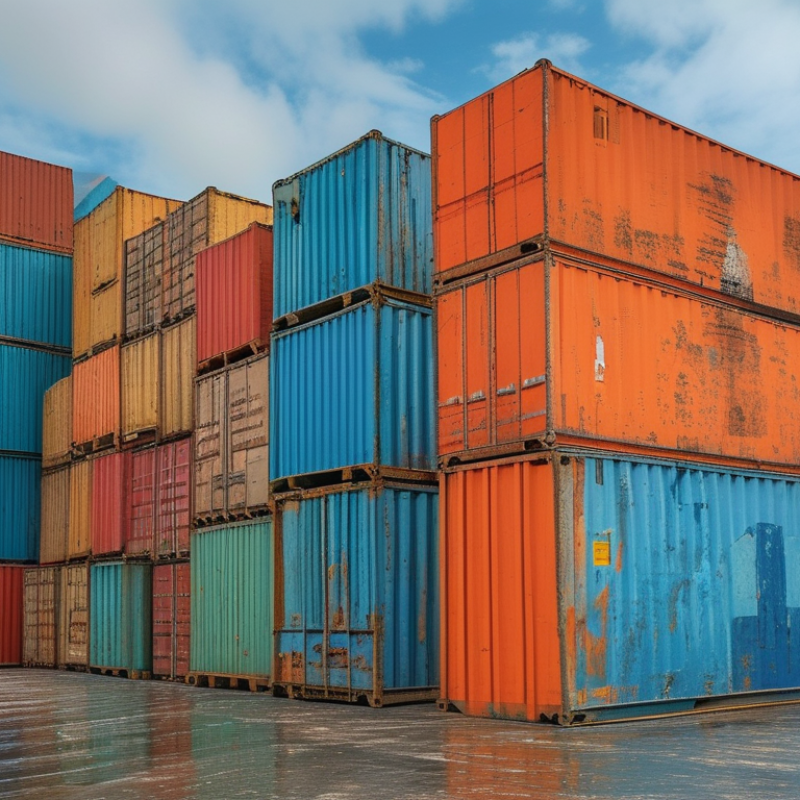
Understanding your shipping needs for large items is essential for any business that deals with sizable products. According to the American Institute for Packaging and the Environment, about 30% of packaging waste comes from shipping materials. It emphasizes the importance of choosing the right shipping boxes. A well-chosen box can minimize damage and reduce costs.
Consider the dimensions and weight of your items. A box that is too large can lead to instability during transport. Conversely, one that is too small may cause damage to the products inside. A report from the International Warehouse Logistics Association states that 57% of businesses suffer losses due to improper packaging. Therefore, an accurate assessment of your items' size and weight will lead to better packaging decisions.
Evaluate your shipping volume and frequency. A business shipping large items occasionally might prioritize different features compared to one that does so regularly. Also, materials matter. Corrugated cardboard has proven to be effective for many large items, offering durability while being lightweight. Yet, some businesses overlook the potential of alternative materials, which might offer greater protection or reduce shipping costs. Addressing these factors can lead to significant long-term benefits.
Types of Large Shipping Boxes Available in the Market
When selecting large shipping boxes for your business, understanding the different types is crucial. Several options exist, each designed for specific needs. Regular corrugated boxes are common. They are sturdy and affordable. These boxes handle various items well, making them versatile for many businesses.
Another option is double-walled boxes. They provide extra strength for heavier products. If your items are fragile, consider reinforced boxes. These boxes offer additional protection. They are often padded inside, reducing the risk of damage during transit.
There are also specialty boxes. They cater to unique shapes or sizes. While beneficial, they can be more expensive. Consider how often you need these customized options. Assessing your business's shipping frequency can guide you. Not every box type suits every product. Be mindful and reflective about your choices. Each decision impacts cost and customer satisfaction.
How to Choose the Best Large Shipping Boxes for Your Business?
| Box Type |
Dimensions (inches) |
Weight Capacity (lbs) |
Material |
Best For |
| Standard Corrugated Box |
24 x 18 x 12 |
65 |
Corrugated Fiberboard |
General Shipping |
| Heavy-Duty Box |
30 x 24 x 15 |
120 |
Double-Wall Corrugated |
Bulky Items |
| Flat Pack Box |
36 x 24 x 10 |
80 |
Single-Wall Corrugated |
Furniture Shipping |
| Pizza Box |
18 x 18 x 3 |
40 |
Single-Wall Corrugated |
Restaurant Delivery |
| Custom-sized Box |
Varies |
Custom |
Varies |
Specialty Items |
Factors to Consider When Choosing Large Shipping Boxes
When choosing large shipping boxes, several critical factors come into play. The size and weight of the items you ship are paramount. The packaging must accommodate products without too much excess space. A study by the International Journal of Packaging Technology indicated that 70% of damage during transit occurs due to poor packaging choices. This highlights the need for an accurate assessment of box dimensions.
Material selection is another vital aspect. Corrugated cardboard is commonly used due to its strength and lightweight properties. Research suggests that using double-walled corrugated boxes can significantly enhance protection for heavier items. The right materials not only safeguard products but can also reduce shipping costs. A report by the Packaging Association shows that businesses can save up to 20% on shipping when selecting optimal box designs.
Cost efficiency is an ever-present consideration. Investing in well-designed shipping boxes may require a higher initial expenditure, but this can lead to cost savings over time. Inconsistent box sizes can lead to wasted space and higher freight costs. It’s essential to find a balance between quality and budget. Careful evaluation of these factors can lead to better shipping experiences and improved customer satisfaction.
Factors to Consider When Choosing Large Shipping Boxes
Evaluating the Cost-Effectiveness of Large Shipping Solutions
Choosing large shipping boxes requires a clear understanding of cost-effectiveness. The right boxes can significantly influence both operational efficiency and customer satisfaction. A report by the Packaging Association reveals that optimizing packaging can reduce shipping costs by up to 30%. This means selecting boxes that balance size, durability, and price is crucial.
Many businesses overlook the long-term costs associated with shipping. For instance, underestimating box dimensions can lead to higher freight charges. A study found that 25% of companies report increased expenses due to inefficient packaging choices. Exploring options such as recyclable materials may also have financial benefits. Sustainability can attract eco-conscious consumers, potentially increasing sales.
It's essential to evaluate the specific needs of your business. Not every large box is suitable for all types of products. For fragile items, investing in protective packaging may be vital, despite higher upfront costs. Conversely, bulkier items may benefit from simple, cost-effective solutions. Balancing these factors can lead to better margins over time. Constantly reassessing shipping methods is necessary for staying competitive. Adjusting strategies based on data can help navigate uncertainties in logistics effectively.
Tips for Properly Packing and Securing Items in Large Boxes
When packing items in large shipping boxes, proper securing is crucial. Start by selecting the right box size. It should be sturdy enough to hold the weight of your products. Insufficient cushioning can lead to damage during transit. Use crumpled paper, bubble wrap, or foam to fill voids. This prevents movement inside the box.
Consider the fragility of the items. For delicate goods, you might need to double-box them. Place them in a smaller, padded box and then place that into a larger box. Seal openings with high-quality tape. This ensures the box stays closed throughout shipping. Regularly, packers overlook the importance of tape, using inadequate or old tape that may not hold.
Labeling is another overlooked aspect. Use clear, large labels that indicate fragile or heavy items. This helps handlers manage boxes correctly. Shipping can be unpredictable, so prepare for the unexpected. Sometimes, items might still get damaged, even with the best packing. Reviewing your packing methods is essential after each shipment. This reflection allows improvements and reduces the chances of future issues.