How to Choose the Right Small Cardboard Boxes for Shipping
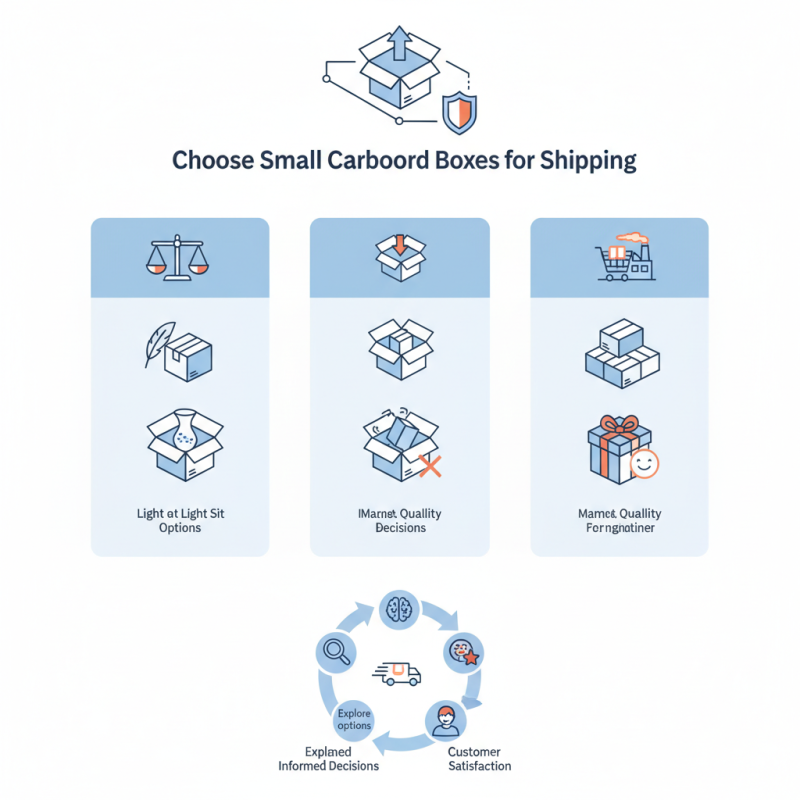
Choosing the right small cardboard boxes for shipping is crucial for any business. The right choice can enhance shipping efficiency and protect your products. Small cardboard boxes come in various sizes and strengths. It's vital to understand your specific needs.
Consider the weight and fragility of your items. Lightweight items may not require heavy-duty boxes. On the other hand, fragile items need more protection. Also, ensure the box has a snug fit. A loose box can cause damage during transportation. It’s essential to find a reliable source for good quality small cardboard boxes.
Reflect on your packaging strategy overall. Are you using boxes that showcase your brand? Think about how the right packaging can make a difference. In conclusion, exploring your options and making informed decisions about small cardboard boxes enhances your shipping process. Quality matters, and it reflects in customer satisfaction.
Understanding the Different Types of Small Cardboard Boxes Available
When choosing small cardboard boxes for shipping, understanding the various types available is crucial. These boxes come in different strengths and styles. For instance, regular slotted containers (RSC) are ideal for most shipping needs. They are versatile and easy to assemble. However, they may not offer the same durability as double-wall boxes for heavier items.
You might also encounter die-cut boxes. These are custom-shaped and provide excellent protection. They suit unique items but can be more expensive. Meanwhile, mailer boxes are perfect for sending smaller goods. These boxes come with flaps that securely close, ensuring your products are safe during transit. It’s essential to assess your shipping needs carefully.
Not all small cardboard boxes will meet your expectations. Some may arrive damaged or may not fit your items well. Testing different types over time can help you find the right fit. Always consider feedback from shipping experiences. It can provide insight into strength and reliability. Choosing the right box requires trial and understanding.
Comparison of Different Types of Small Cardboard Boxes for Shipping
Factors to Consider When Choosing Cardboard Boxes for Shipping
When selecting small cardboard boxes for shipping, several factors are crucial. Box dimensions play a significant role. According to the Fiber Box Association, using the right box size can reduce shipping costs by up to 30%. Oversized boxes lead to wasted space and increased shipping fees. Conversely, overly tight boxes risk product damage.
Material quality is another factor. Corrugated cardboard is generally preferred due to its strength and lightweight properties. A report from Smithers Pira indicates that corrugated packaging has become more popular, projected to grow at a rate of 4.3% annually. This trend highlights the reliability of quality materials in shipping.
Tips: Always test box durability. Execute drop tests to ensure the box can handle the rigors of shipping. Also, consider environmental factors. Eco-friendly materials are not only better for the planet but also often preferred by consumers today. Remember that cardboard boxes can be recycled and reused, which aligns with sustainable practices. Be mindful of your choice's impact on both product safety and the environment.
Measuring Your Items for the Perfect Box Fit
When it comes to shipping, measuring your items accurately is essential for selecting the right small cardboard boxes. Accurate measurements help prevent damage during transit. Start by measuring the length, width, and height of your items. Be sure to use a reliable measuring tool, like a tape measure, to get precise dimensions. This step is crucial; a box that is too tight can crush your items.
Tips: Always round up your measurements. This ensures that your items fit comfortably inside the box. If you have irregularly shaped items, consider wrapping them in bubble wrap. This not only protects your items but also gives them a consistent shape to measure.
Sometimes, the ideal size might not be available. Don’t hesitate to adjust your packaging strategy. You can use dividers or padding to fill empty spaces in a larger box. This will help secure your items and prevent movement during shipping. Remember, taking the time to measure correctly can save you headaches later.
Understanding Weight Limits and Durability Ratings
When selecting small cardboard boxes for shipping, understanding their weight limits and durability ratings is crucial. Different types of cardboard vary in their strength. The most common are Single-wall and Double-wall corrugated boxes. A study by the Fibre Box Association indicates that double-wall boxes can withstand greater weight, making them ideal for heavier items. Single-wall boxes typically handle about 40-60 pounds, while double-wall can support 100 pounds or more.
Tip: Always check the box's burst strength rating. This rating measures the pressure a box can handle before rupture. For robust shipping needs, aim for boxes with a minimum rating of 32 ECT (Edge Crush Test) for single-wall boxes and at least 44 ECT for double-wall boxes.
Durability also includes resistance to environmental factors. Boxes exposed to moisture can weaken, and boxes in high-traffic shipping environments face more wear and tear. A report by Packaging Strategies suggests humidity can reduce box strength by up to 50%. This is why understanding the shipping conditions is vital.
Tip: Reinforce boxes with extra tape, especially along seams, for added security. Reflect on past shipping experiences to identify weaknesses in your packaging strategy. Evaluating your choices ensures that your shipments arrive safely and intact.
Tips for Optimizing Shipping Costs with Cardboard Boxes
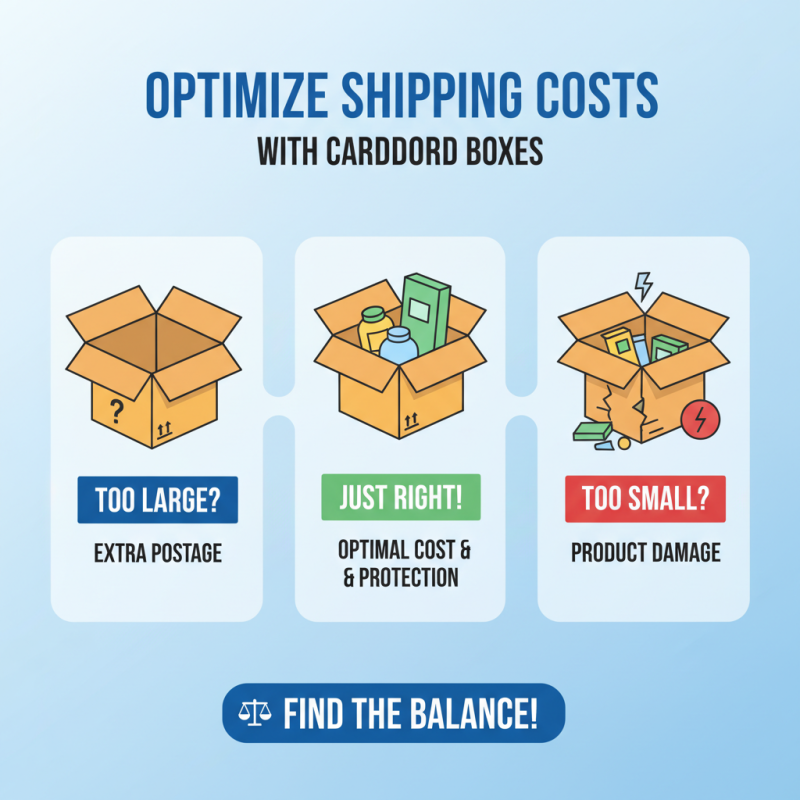
When it comes to shipping, choosing the right small cardboard box can significantly impact costs. Optimizing shipping costs begins with selecting the right box size. If a box is too large, it may require extra postage. On the other hand, using a box that is too small can lead to damage. Finding that balance is crucial for effective shipping.
Here are a few tips to help minimize costs. First, consider box shape and dimensions. Square boxes often stack better in shipping containers, saving space. Additionally, weight plays a vital role. Using lighter materials can reduce shipping fees, especially for long distances.
Another important factor is your packing techniques. Use padding materials wisely. Overpacking can lead to expenses, while under-packing risks damage. Moreover, assess your shipping frequency. Bulk shipping can often lead to discounts. Evaluate your options regularly to ensure you're making the best financial choice. Nothing is perfect; there might be trial and error involved. Be willing to revisit your choices and improve continuously.