How to Choose the Right Carton Box for Your Needs?
Choosing the right carton box is crucial for various needs. Whether you are shipping items or storing belongings, the right box can make a difference. A carton box provides protection. It shields your items from damage.
Many factors influence the decision. Size, strength, and design matter significantly. For instance, consider the weight of your items. A heavier object requires a sturdier box. You want to avoid any unexpected tears or breaks. Think about the material too. Some boxes are made from recycled materials. They can be eco-friendly options.
However, it's not always easy to pick. You may feel overwhelmed by the choices available. Remember, it’s okay to ask questions. If in doubt, seek advice from experts or peers. Good choices often come from discussing various options. Lastly, keep your budget in mind. A quality carton box doesn’t have to be expensive, but investing a little more can provide better protection.

Understanding Different Types of Carton Boxes Available in the Market
When selecting a carton box, understanding the types available is essential. Various options cater to different shipping needs. For instance, corrugated cartons provide excellent strength and durability, ideal for heavy items. According to industry reports, corrugated boxes hold a market share of over 50%, making them a popular choice among retailers.
Tip: Ensure you know the weight and dimensions of the items you're packaging. This helps in choosing the right box size and strength. Standard single-wall boxes are suitable for lightweight products, while double-wall boxes are necessary for heavier loads.
On the other hand, folding cartons are often used for retail packaging. They are lightweight and can be printed on easily, enhancing brand visibility. However, they might not be sturdy enough for shipping. Industry data suggests that folding cartons account for nearly 25% of the market. Many buyers overlook their limitations in durability.
Tip: Always request samples before placing bulk orders. This way, you can evaluate the quality. Visualize how the box will look with your product inside. Consider potential stacking and transportation issues. This reflection can help in avoiding future logistics problems.
Assessing the Size and Weight Requirements for Your Products
Choosing the right carton box hinges on understanding size and weight needs. Many factors affect these requirements. For instance, e-commerce reports show that 30% of returns are due to poor packaging. If a box is too large, items shift, leading to potential damage. If too small, it can crush products, creating waste.
Weight is another critical factor. The right carton box must support the weight without compromising integrity. Industry data indicates that boxes should handle at least 10% more weight than intended. A box that can't hold its contents results in loss and frustration. Often, companies overlook this detail, leading to costly mistakes.
Consider the material as well. Corrugated cardboard is a popular choice for its flexibility and strength. However, not all cardboard is equal. For heavier items, double-wall boxes may be necessary to ensure safety during transit. It’s important to match the box strength with product weight. Many companies fail to assess this correctly, leading to inadequate protection.
How to Choose the Right Carton Box for Your Needs? - Assessing the Size and Weight Requirements for Your Products
| Product Type |
Dimensions (L x W x H in inches) |
Weight Capacity (lbs) |
Material Type |
Recommended Use |
| Electronics |
12 x 8 x 4 |
20 |
Double-wall corrugated |
Shipping fragile items |
| Clothing |
15 x 10 x 5 |
15 |
Single-wall corrugated |
Retail packaging |
| Food & Beverages |
18 x 12 x 12 |
30 |
Food-safe cardboard |
Packaging for delivery |
| Toys |
10 x 10 x 8 |
25 |
Recycled cardboard |
Retail display boxes |
| Books |
14 x 10 x 2 |
10 |
Standard cardboard |
Shipping books |
Evaluating Material Strength and Durability for Enhanced Protection
When choosing a carton box, evaluating material strength and durability is crucial. The right materials provide the protection your items need. For lighter products, single-wall corrugated boxes often suffice, though they lack top-tier durability. Double-wall boxes, on the other hand, offer heightened strength. They are ideal for fragile or heavier items.
Tip: Always consider the weight and nature of your item. Heavier items require more robust boxes to avoid crushing. If your product is sensitive to impacts, reinforced corners can enhance protection.
Another important factor is moisture resistance. Wet conditions can damage carton boxes, compromising their strength. Some materials absorb water easily, causing the box to weaken over time. Look for moisture-resistant options when shipping or storing items in humid environments.
Tip: Check the material specifications before purchasing. Knowing the material’s capacity helps ensure adequate protection. Conduct a simple drop test if you can. Testing durability before use can save you from potential damage later.
Material Strength Comparison of Carton Boxes
Identifying Specialized Features for Specific Shipping Needs
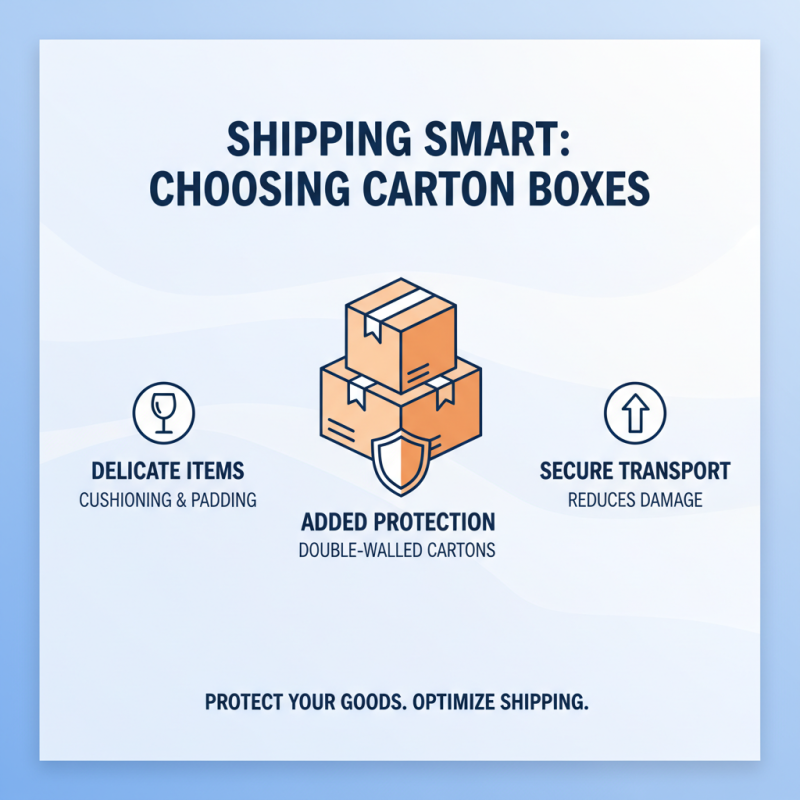
Choosing the right carton box can significantly impact your shipping needs. When identifying specialized features, consider the item’s fragility. For delicate items, use boxes with cushioning and additional padding. Double-walled cartons are useful for increased protection. This ensures your items don't suffer during transport.
Weight is another essential factor. Lighter boxes can reduce shipping costs. However, using too lightweight a box can compromise safety. Striking a balance is key. Look for sustainable options that support your environmental goals while meeting durability standards.
Additionally, dimensions matter. Measure your items carefully. Oversized boxes can lead to damage, while undersized boxes might not fit all components. Custom boxes may be an investment but can protect specific products better. A thoughtful approach can avoid common pitfalls and improve your packaging strategy.
Considering Environmental Impact and Sustainability Options in Carton Selection
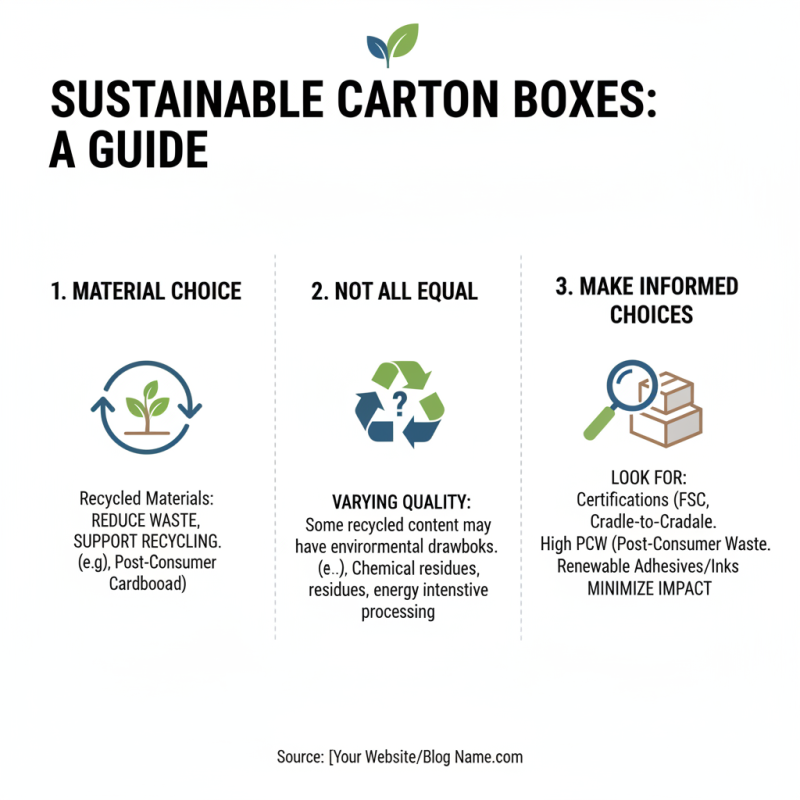
Choosing the right carton box involves understanding various factors, especially sustainability. Many boxes are made from recycled materials. These options reduce waste and support recycling efforts. However, not all recycled materials are created equal. Some may still contribute to environmental issues.
While selecting a carton, consider its life cycle. From production to disposal, every stage impacts the environment. Biodegradable boxes are a great choice, but they may not always hold up as well as traditional options. This is a crucial aspect to ponder for long-distance shipping. Can they withstand stress without breaking down?
Another consideration is the size and weight of the carton. Oversized boxes waste resources and increase carbon footprints. Smaller, optimized boxes might save costs and materials. Yet, businesses may resist this to avoid damage risks. Balancing protection and sustainability is tricky. It’s essential to reflect on these aspects carefully when making a decision.