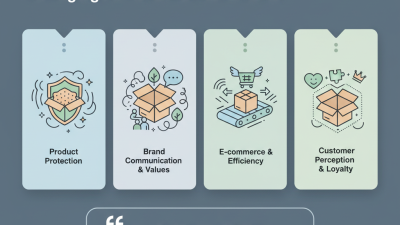
2026 How to Choose the Right Packaging Boxes for Your Products?
In today's competitive market, selecting the right packaging boxes is crucial for any business. Packaging boxes protect your products and enhance their appeal. A well-chosen box can grab a customer's attention and increase sales. So, what should you consider when choosing packaging boxes?
First, think about the product size and shape. A box that is too big may lead to damage. On the other hand, a box that is too small can cause frustration. The choice of materials also matters. Cardboard, plastic, or eco-friendly options have different costs and benefits.
Additionally, reflect on your brand's image. Custom designs can make a significant impact. They can convey your brand story. However, creating unique packaging boxes sometimes requires a larger budget. It's essential to weigh costs against the potential benefits. As you consider these factors, remember that the right packaging boxes can make your product stand out in a crowded market.

Understanding the Importance of Packaging in Product Presentation
Packaging plays a critical role in product presentation. In fact, studies show that 72% of consumers say packaging design influences their purchasing decisions. Eye-catching designs can attract attention on crowded shelves. However, functionality must not be overlooked. Poor packaging can lead to product damage or spoilage, resulting in economic losses.
Sustainable packaging is increasingly important. According to a recent survey, 62% of consumers prefer products with environmentally friendly packaging. Companies must consider materials and designs that are both visually appealing and eco-friendly. Compromising on sustainability can alienate potential customers, especially younger demographics. Yet, finding the balance between aesthetics and practicality presents a challenge.
Furthermore, the rise of e-commerce is reshaping packaging needs. Products should be securely packaged to endure shipping transit. Many businesses struggle with this transition. Reports indicate that poorly packaged items lead to 30% higher return rates. Improvement is needed to address this gap. Choices in packaging must cater to both appearance and durability, aligning with customer expectations.
Evaluating Different Types of Packaging Materials for Durability
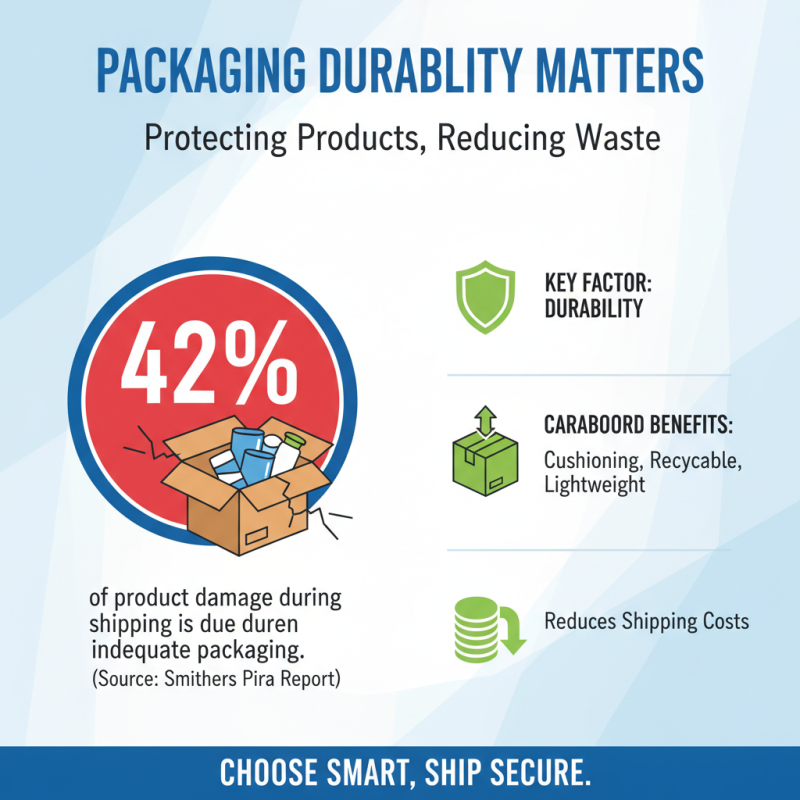
When considering packaging solutions, durability is a key factor. A report by Smithers Pira highlights that 42% of product damage during shipping is linked to inadequate packaging. This statistic underscores the importance of evaluating materials carefully. Cardboard, for instance, offers impressive cushioning. It's recyclable and lightweight, which can reduce shipping costs.
Plastic packaging is another option. It can be more resilient against moisture and punctures. However, environmental concerns are rising. The Global Packaging Alliance notes that 67% of consumers prefer sustainable packaging. This shift means brands must balance durability with eco-friendliness.
Eco-friendly materials, like biodegradable plastics, are gaining traction. Although they may not always match traditional materials in strength, they serve a growing eco-conscious market. Choosing packaging isn't just about protecting products; it’s about reflecting brand values too. An effective solution may involve a mix of materials to meet different needs, a challenge for many businesses.
Assessing Size and Dimensions: Fitting Your Product Perfectly
When choosing packaging boxes, size and dimensions are crucial. A report by the Packaging Industry Association shows that 30% of products are returned due to improper packaging. If your box is too large, the product moves and can get damaged. Conversely, if it’s too small, you risk crushing or deforming your item.
It's essential to measure your product accurately. Many businesses overlook this step. The right box fits snugly without excess space. A tight fit reduces movement and potential damage during shipping. Additionally, consider adding protective materials. These can help maintain the integrity of your product.
Many brands fail to adapt their packaging strategy based on product variations. A simple box design might not account for all product shapes and sizes. Remember, a good fit can enhance customer satisfaction. Think carefully about how your product interacts with its packaging. Your choices directly affect your brand image and customer trust.
Product Packaging Size Assessment
Design Considerations: Aesthetic Appeal and Branding Impact
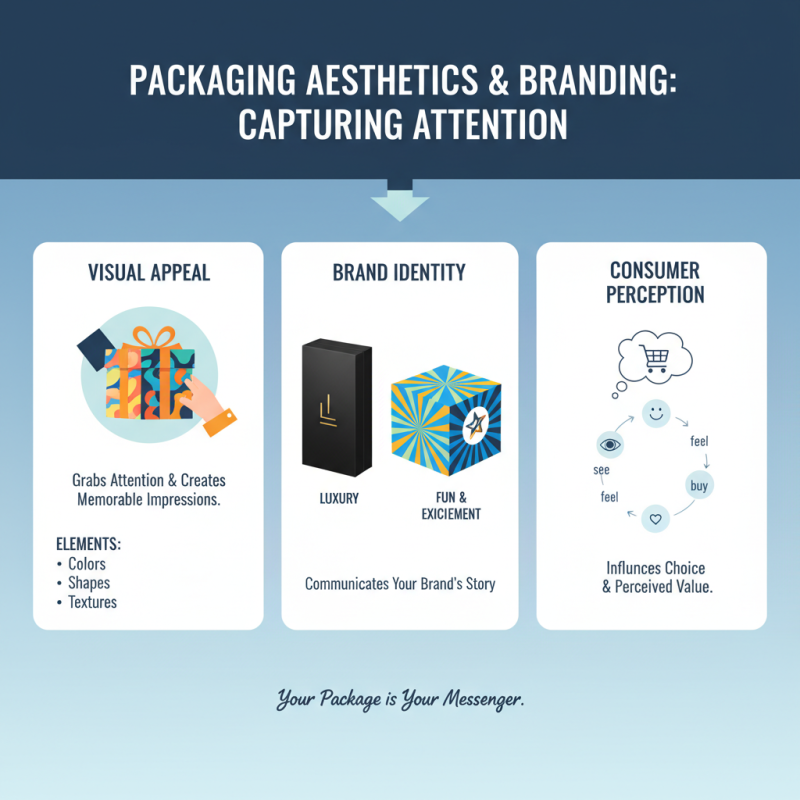
When choosing packaging boxes, aesthetics and branding are paramount. A visually appealing package grabs attention and creates a memorable impression. Colors, shapes, and textures communicate your brand's identity. For instance, a sleek black box may suggest luxury, while a vibrant box can convey fun and excitement.
**Tips:** Think about the colors that reflect your brand. Use contrasting colors to stand out. Consider unique shapes to make your product unforgettable.
Branding should permeate through every aspect of your packaging. Imagine unboxing your product. What do you want customers to feel? The right materials can enhance this experience. Eco-friendly options not only appeal to conscious consumers but also show your brand values.
**Tips:** Use packaging that aligns with your environmental commitments. Add small personal touches, like a thank-you note, to enhance customer connection. Don’t overlook the importance of practicality. Your design must protect the product while being aesthetically pleasing.
Cost Analysis: Balancing Quality and Budget for Packaging Choices
Choosing the right packaging boxes for your products is crucial, but cost often complicates the process. Balancing quality and budget can be challenging. It’s essential to evaluate your materials carefully. High-quality packaging can enhance your brand image, but it often comes at a price. You may need to compromise on certain aspects to stay within budget.
Tips: Consider bulk purchasing to reduce costs. This approach often leads to discounts, saving you money. Local suppliers might offer competitive prices, so don’t overlook them. Online comparison tools can help you analyze costs effectively.
Think about long-term savings, not just immediate expenses. Cheaper materials might save money upfront but could lead to higher shipping costs. Packaging that protects your products well can decrease return rates. Investing in durable materials could improve profit margins in the long run. Maintain a clear idea of your budget as you explore options. Prioritize essential features that meet both functionality and aesthetic needs.
2026 How to Choose the Right Packaging Boxes for Your Products?
| Packaging Type |
Material |
Cost per Unit |
Quality Rating (1-5) |
Sustainability Score (1-5) |
| Folding Cartons |
Paperboard |
$0.50 |
4 |
4 |
| Rigid Boxes |
Cardboard |
$1.50 |
5 |
3 |
| Poly Bags |
Plastic |
$0.10 |
3 |
1 |
| Eco-Friendly Boxes |
Recycled Paper |
$0.70 |
4 |
5 |
| Mailing Tubes |
Cardboard |
$0.80 |
4 |
3 |