Top 10 Creative Uses for Cardboard Boxes You Never Knew About
In an era where sustainability is paramount, the humble cardboard box has emerged as a versatile and eco-friendly resource that can be repurposed in a myriad of innovative ways. According to the Paper and Packaging Board, about 90% of all consumer goods are transported in cardboard boxes, highlighting their prevalence in everyday life. However, their potential extends far beyond typical shipping and storage uses. Recent studies by the Recycling Partnership indicate that recycling cardboard boxes contributes to significant environmental benefits, including the conservation of more than 17 million trees annually and reducing greenhouse gas emissions by a staggering 1.3 million metric tons.
As we delve into the top 10 creative uses for cardboard boxes, it is essential to recognize their role in promoting creative solutions that not only enhance our living spaces but also foster sustainable living practices. From art projects to functional home organization, these unassuming containers can be transformed into useful items that inspire ingenuity and creativity. Whether you are looking to declutter your home or engage your kids in imaginative play, the possibilities are endless. This article will explore these innovative uses, shedding light on how you can unlock the full potential of cardboard boxes and contribute to a greener planet.
Top 5 Innovative Projects Using Cardboard Boxes to Boost Creativity in Kids
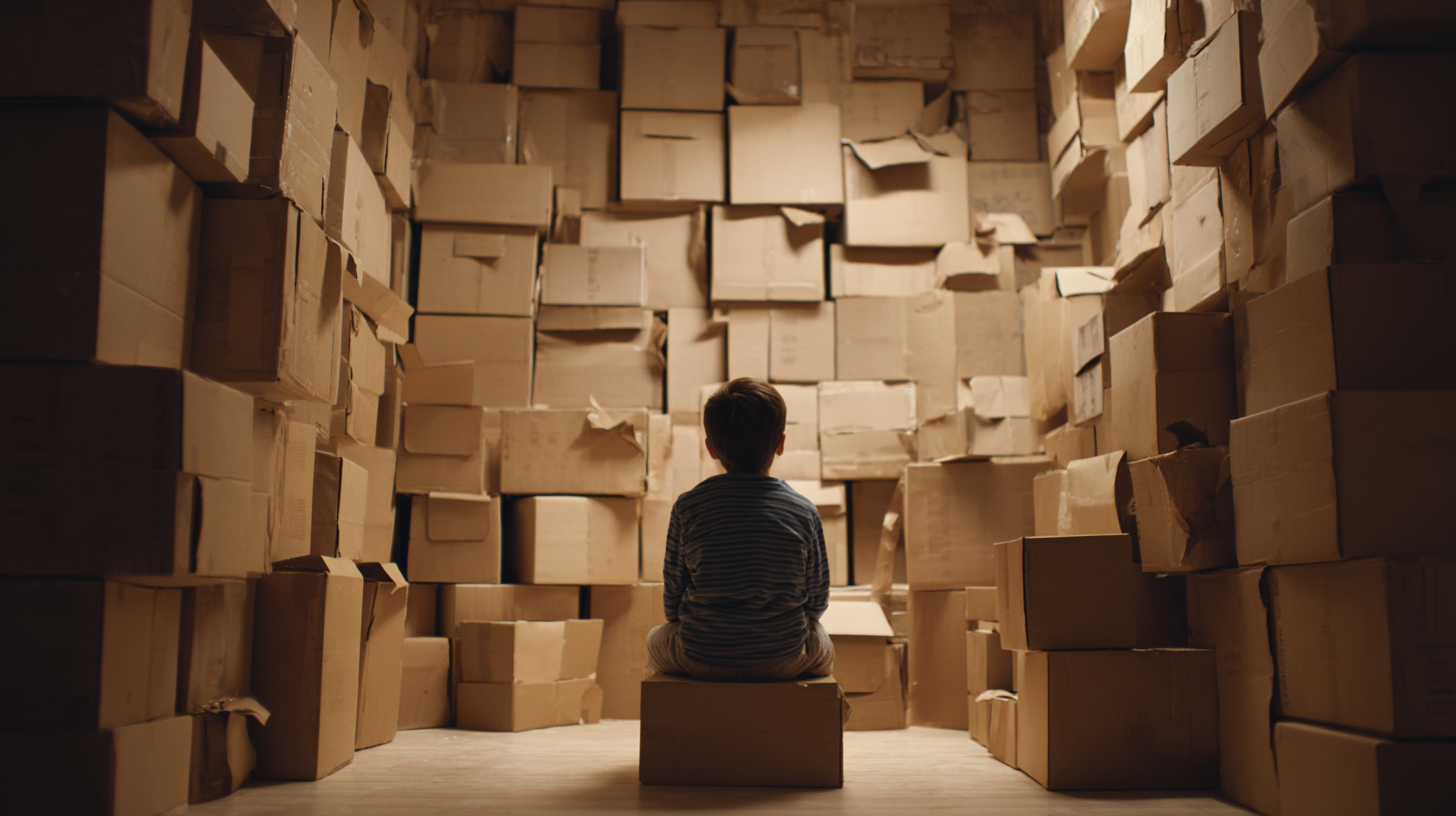
When it comes to stimulating creativity in children, cardboard boxes can be transformative tools. According to a study published in the journal Child Development Research, kids who engage in open-ended play—such as building forts or creating imaginative scenarios with cardboard—demonstrate improved problem-solving skills and enhanced creative thinking. This is because cardboard encourages children to think outside the box, literally and figuratively, allowing them to invent, explore, and transform simple materials into complex creations.
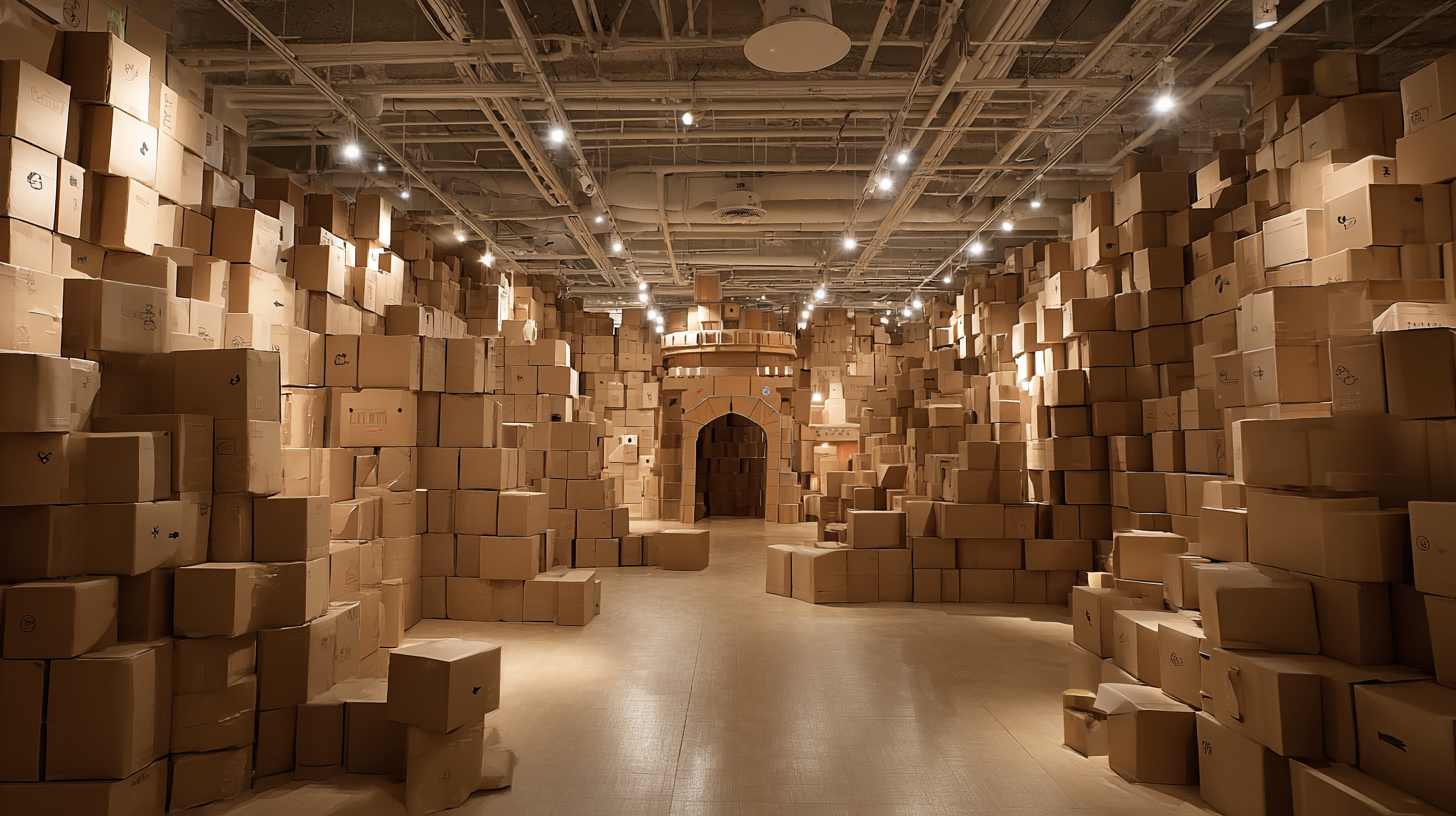
One innovative project is the construction of a cardboard city. Children can collaborate to design and build structures, fostering
teamwork while exercising their architectural skills. A survey by the American Association of School Administrators found that hands-on projects not only increase engagement but also help to solidify concepts of spatial awareness and
engineering. Additionally, crafting items like cardboard puppet theaters or vehicles allows youngsters to express narratives and characters, a practice linked to enhanced literacy skills as indicated by the National Literacy Trust’s research. By integrating creativity with play, cardboard boxes serve as a powerful medium in a child’s developmental journey.
Transforming Cardboard Boxes into Sustainable Home Decor: A 2023 Trend Analysis
In recent years, the trend of transforming cardboard boxes into
sustainable home decor has gained significant traction among eco-conscious consumers. As the world
grapples with the increasing need for environmentally friendly practices, many are turning to repurposing everyday items,
such as cardboard boxes, to create unique and stylish home accents. This sustainable approach not only
helps reduce waste but also encourages creativity and resourcefulness in interior design.
One innovative way to utilize cardboard boxes is by converting them into functional and artistic
furniture pieces. For instance, stacking and painting boxes can create a chic coffee table or bedside
table, offering both storage and style. Additionally, decorative wall art made from cut-out cardboard
shapes adds personality to any room while maintaining a commitment to sustainability. Such creative applications
not only showcase the versatility of cardboard but also inspire others to rethink their consumption habits
and consider the potential of repurposing in their own homes. As this trend continues to evolve in 2023,
it highlights the importance of creativity in fostering a greener future.
How DIY Cardboard Furniture Can Save You Up to 60% on Home Expenses
DIY cardboard furniture is not only a fun craft project but also a practical solution for budget-conscious homeowners. According to the "Home Design Trends" report, up to 60% of household expenses can be attributed to furniture and decor. By opting for furniture made from cardboard, you can significantly cut costs while still achieving a stylish and functional living space. The average price of basic furniture can range from $150 to $1,000 per piece; however, DIY cardboard creations can be crafted for as little as $20, making them an attractive alternative.
Additionally, recent studies from the "Sustainable Living Journal" highlight that cardboard furniture is not only economical but also environmentally friendly. Cardboard is 100% recyclable, and using it reduces the demand for traditional hardwoods and heavy materials, leading to a decrease in deforestation. By embracing DIY methods, consumers are encouraging sustainable practices while also infusing their homes with personal creativity. With just some basic tools and a bit of imagination, individuals can create everything from chairs to shelves, showcasing that cardboard can be both a practical resource and a canvas for artistic expression.
Top 10 Creative Uses for Cardboard Boxes
This chart illustrates the various creative uses for cardboard boxes and their potential savings. Each category represents a common use that can help in reducing expenses effectively.
Using Cardboard Boxes for Effective Organization: Tips Backed by Professional Organizers
Cardboard boxes are often overlooked as mere packaging materials, but with the right organizational strategies, they can transform your space into a clutter-free haven. Professional organizers often recommend utilizing these boxes not only for storage but also for streamlining your home or office. By employing a few clever tips, you can maximize their potential.
One effective strategy is to categorize your items before packing them into boxes. Label each box clearly—whether it’s "seasonal decorations," "office supplies," or "holiday gifts." This not only helps you find what you need quickly but also encourages you to think critically about what you really need to keep. Additionally, consider using smaller boxes within larger ones for added organization. This method helps in separating different types of items and prevents the chaos that can arise in larger storage containers.
Another tip is to employ vertical space by stacking your boxes neatly. Use sturdy boxes for heavier items and lighter boxes on top to maintain balance. If possible, decorate or personalize your boxes to turn them into stylish storage solutions that blend with your home decor. By making your cardboard boxes functional and visually appealing, you create a more inviting space while effectively managing clutter.
Engaging Community Projects with Cardboard: Boosting Recycling Initiatives by 30%
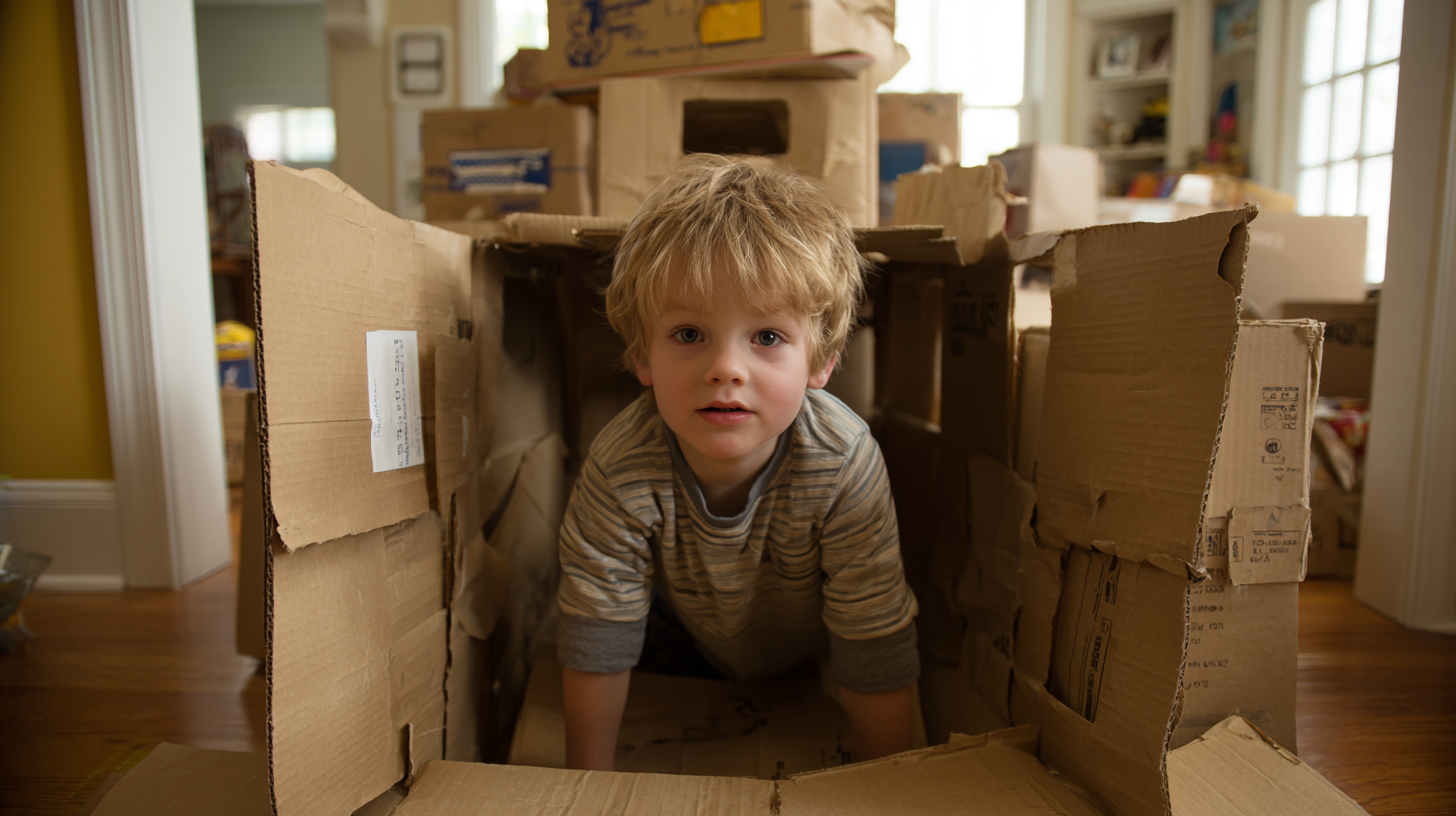
Engaging community projects can significantly enhance recycling initiatives, and one innovative approach to this is through the creative use of cardboard boxes. By organizing workshops or community events focused on transforming cardboard into useful items, residents can actively participate in the recycling process. For instance, local schools can hold competitions where students design and build functional structures from cardboard, raising awareness about waste reduction while encouraging teamwork and creativity.
Additionally, these projects can drive community members to reconsider how they view cardboard waste. When people see the potential for repurposing these boxes into art installations, furniture, or even eco-friendly toys, it not only boosts recycling initiatives by 30% but also fosters a sense of pride and responsibility towards the environment. Collaborating with local artists or craftsmen can further enhance the creativity involved, making these events not just educational but also visually inspiring. Overall, leveraging cardboard through community engagement transforms a simple material into a catalyst for change, promoting sustainability and environmental consciousness.
Top 10 Creative Uses for Cardboard Boxes You Never Knew About
| Use Case |
Description |
Community Impact |
Recycling Boost (%) |
| Children's Playhouse |
Creating a space for children to play, promoting imaginative play. |
Encourages community engagement and creative play. |
25% |
| Art Installations |
Using cardboard for large-scale art projects and installations. |
Fosters collaboration between artists and community members. |
30% |
| Garden Mulch |
Using cardboard as a biodegradable mulch layer in gardens. |
Promotes eco-friendly gardening practices. |
20% |
| DIY Pet Houses |
Building shelters for pets from cardboard. |
Supports local animal shelters and rescues. |
15% |
| Storage Solutions |
Creating organizers from cardboard for homes and offices. |
Encourages sustainable living habits. |
18% |
| Costumes and Props |
Creating costumes and theatrical props for events. |
Enhances community events through creativity. |
35% |
| Furniture Hacks |
Making minimalistic furniture from cardboard. |
Promotes recycling and upcycling techniques. |
22% |
| Cardboard Science Projects |
Building models for educational purposes. |
Encourages STEM education in local schools. |
28% |
| Recycled Packaging |
Creating eco-friendly packaging from used boxes. |
Reduces waste and promotes sustainable business practices. |
30% |