What are the Different Shipping Box Sizes for Your Needs?
Choosing the right shipping box sizes is essential for businesses and individuals alike. The wrong size can lead to wasted space, damaged items, and increased shipping costs. Understanding various box dimensions can simplify your shipping process.
Consider your items carefully. Small products might need compact boxes, while larger items require more substantial support. Shipping box sizes vary widely, from small envelopes to large crates. The challenge lies in selecting the perfect size for your needs.
Remember that overpacking can be as detrimental as underpacking. A box that is too big can let items shift, risking damage. On the flip side, a box that is too small can crush fragile items. Reflecting on box selection might lead to smarter, more efficient shipping practices. By thinking through your choices, you create a better experience for you and your customers.
Types of Shipping Boxes: An Overview of Common Sizes
When shipping products, choosing the right box size is crucial. Various box sizes are available to meet different needs. According to industry reports, over 60% of shipping issues stem from improper packaging. A well-fitted box helps prevent damage and reduces shipping costs.
Common box sizes include small (12" x 12" x 12"), medium (18" x 18" x 18"), and large options (24" x 24" x 24"). The small box is ideal for lightweight items, while larger boxes are better suited for bulky goods. Unfortunately, some businesses overlook the importance of custom sizes. Instead, they rely on standard dimensions, leading to wasted space and increased shipping fees.
Additionally, the e-commerce sector has seen significant growth. In 2022, online sales reached $1 trillion in the U.S. alone. As a result, many companies are investing in specialized packaging solutions. The right box not only protects products but also enhances customer experience. Neglecting box size considerations can lead to dissatisfaction.
Dimensions and Capacities: Understanding Standard Box Measurements
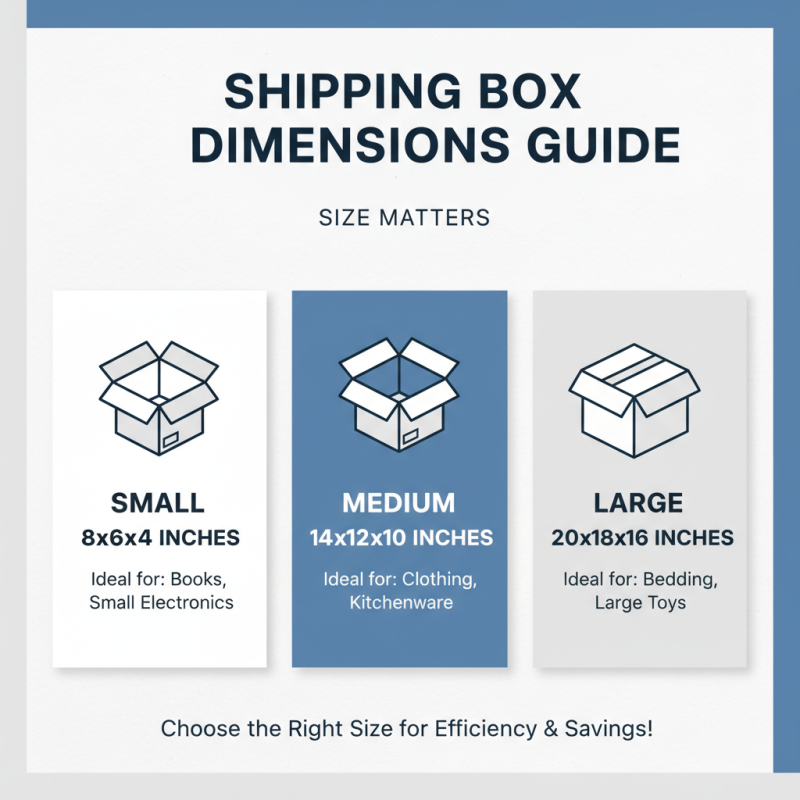
When choosing shipping boxes, dimensions matter significantly. Standard sizes vary, which affects how you package items. Common sizes include small, medium, and large. For example, a small box typically measures 8x6x4 inches. It’s ideal for lightweight products like books or small electronics.
Medium boxes usually measure 12x12x8 inches. They are versatile and can hold larger items such as clothing or decorative pieces. Large boxes, around 18x18x16 inches, accommodate bulky products like kitchen appliances. Understanding these measurements helps prevent damage during shipping.
It’s important to note that using a box that's too large may result in items shifting. This can lead to breakage. Conversely, an oversized box may incur higher shipping costs. Consider how many items you plan to ship. Reflect on your packing method, as it often impacts the box size choice. Sometimes, it’s worth unpacking and repacking to find the perfect fit.
Choosing the Right Box: Factors Affecting Shipping Box Size Selection
When selecting the right shipping box size, there are several factors to consider.
The dimensions of your product are crucial. Measure the length, width, and height.
A box that is too big can lead to damage during transit.
Inadequate cushioning may result in fragile items breaking. On the flip side, a box that is too small can make shipping impossible.
Tips: Always include padding material like bubble wrap or packing peanuts.
This helps protect items from impact.
Weight also plays a significant role. Heavier items need sturdier boxes.
If the box can’t handle the weight, it might collapse. Consider the shipping costs associated with size and weight.
Larger boxes often cost more to ship.
Tips: Use an online calculator to estimate shipping costs.
This can prevent unexpected expenses.
Lastly, the destination matters. Some carriers have specific box size requirements.
Check these before shipping. Compliance can save time and avoid delays.
Remember, proper box size enhances not just safety, but also customer satisfaction.
Impact of Weight and Volume on Shipping Box Size Decisions
When choosing shipping box sizes, weight and volume play crucial roles. Understanding these factors can prevent overspending. A box that’s too big may result in extra costs. Larger boxes often mean higher shipping fees. This is due to the space they occupy and weight limits.
Additionally, the volume dictates packing efficiency. A well-fitted box uses space wisely. It minimizes movement during transportation. This can lead to fewer damages. On the other hand, a box that is too small risks damaging the contents. Finding that perfect balance is often challenging. There’s a constant consideration of how each item fits.
You may find yourself with various box sizes. Yet, not every size will work for all products. Sometimes, an oversized box feels wasteful. Other times, you might need to repack items to fit. It's easy to overlook these details while focusing on shipping speed. Reflecting on these choices can save money and improve customer satisfaction.
What are the Different Shipping Box Sizes for Your Needs?
| Box Size |
Dimensions (in inches) |
Weight Capacity (lbs) |
Volume (cubic inches) |
Ideal Use Cases |
| Small Box |
12 x 12 x 12 |
20 |
1,728 |
Books, electronics |
| Medium Box |
18 x 18 x 16 |
30 |
5,184 |
Clothing, household items |
| Large Box |
24 x 18 x 18 |
50 |
7,776 |
Furniture, large electronics |
| Extra Large Box |
36 x 24 x 24 |
80 |
17,280 |
Appliances, multiple items |
Industry Standards: How Different Sectors Define Shipping Box Sizes
When it comes to shipping box sizes, different industries often have their own standards. For example, the e-commerce sector frequently uses boxes that fit standard product sizes. These boxes are made to maximize space while minimizing shipping costs. Smaller items may go into padded envelopes, while larger electronics often need sturdy, reinforced boxes. This can be unsettling. A box that seems to fit perfectly may not always provide adequate protection.
Manufacturers typically define box sizes based on their products. A food company might opt for boxes that accommodate bulk packages. These boxes are often made of corrugated material to ensure integrity during transport. In contrast, the clothing industry prefers lighter boxes, often using recyclable materials to reduce waste. This presents a challenge. Finding the right balance between cost, material, and size isn't easy.
In the tech sector, precision is key. Shipping boxes must protect delicate items, such as phones or laptops. However, companies sometimes struggle with proper sizing. An oversized box can lead to damage during transit, while an undersized box might not be able to hold additional accessories. Ultimately, defining shipping box sizes based on industry needs remains a complex task. Each sector must continuously evaluate its approach to ensure efficiency and safety during shipping.