How to Effectively Use Cardboard Boxes for Packing and Organizing?
When it comes to packing and organizing, cardboard boxes play a vital role. Expert Dr. Emily Carter, a leader in sustainable packaging, once stated, "Cardboard boxes are versatile tools for both storage and transport." This highlights their importance in various industries and everyday life.
Cardboard boxes provide a simple yet effective solution for sorting belongings. They come in various sizes, allowing you to fit items snugly. For instance, using small boxes for books and larger ones for clothes can maximize space. However, people often overlook how to best utilize these boxes.
Many end up cramming items without proper labeling or separation. This can lead to chaos when searching for an item later. Reflecting on this, it’s essential to prioritize organization. Thoughtfully using cardboard boxes can not only save space but also reduce stress during moving or decluttering. Their potential is vast, yet still underappreciated by many.
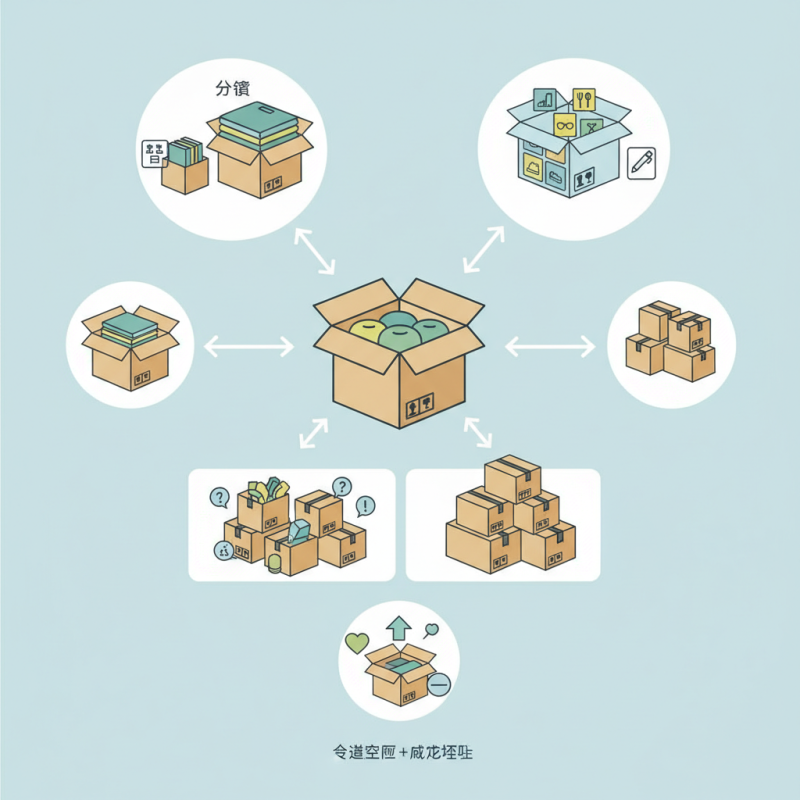
Benefits of Using Cardboard Boxes for Packing and Organizing
Using cardboard boxes for packing and organizing offers numerous benefits. First, they are lightweight yet sturdy, making them easy to handle. This combination protects your items during transit. You can stack them, saving space in your home or office. Different sizes are available, so you can choose the right box for your needs. When arranging items, uniform boxes create a neat and tidy look. However, not every box will fit, and that may complicate your organization process.
Another advantage is the eco-friendliness of cardboard. It's recyclable and biodegradable, which is vital in today's environmentally conscious world. This choice reflects a commitment to sustainability. However, buying new boxes can add up in cost, discouraging some from going green. You might consider reusing boxes you already have. Finding strong boxes from local stores could be more valuable than you think.
Organizing with cardboard can spark creativity. You can label boxes for easy identification, enhancing efficiency. However, overcrowding them can lead to damaged boxes and lost items. Keep an eye on weight limits to avoid this. Finding the perfect balance between functionality and aesthetics can be a challenge. Embrace the imperfections as you learn what works best for your situation.
Choosing the Right Size and Type of Cardboard Boxes
Choosing the right size and type of cardboard boxes is crucial for efficient packing and organizing. According to a recent industry report, around 27% of packing delays are caused by using inappropriate box sizes. Selecting boxes that are too large can lead to items shifting during transport. Conversely, boxes that are too small may not accommodate your belongings securely.
When considering box types, corrugated cardboard is a popular choice due to its durability. A survey revealed that 72% of movers prefer this material for its ability to withstand rough handling. However, many people overlook the importance of box strength. Not all cardboard boxes are created equal. Categorizing boxes based on weight capacity can prevent damaging fragile items. For instance, lightweight boxes are suitable for clothing, while heavier boxes work better for books.
Reflecting on packing mistakes, many individuals cram items into unsuitable boxes. This often leads to breakage and stress. It’s important to assess your belongings critically before selecting boxes. Take your time and ensure each item has a specific box type that fits it well. A little patience can save you from unnecessary hassle later on.
How to Effectively Use Cardboard Boxes for Packing and Organizing
Best Practices for Packing Items into Cardboard Boxes
When packing items into cardboard boxes, efficiency is key. A study by the Paper and Packaging Board revealed that cardboard boxes are up to 100% recyclable. This makes them a sustainable choice for packing. Begin by selecting the right box size. Oversized boxes can lead to instability. Too small? Items may be crammed, causing damage. Aim for a snug fit.
Fill empty spaces with packing materials like bubble wrap or crumpled paper. This prevents shifting during transport. According to expert reports, over 40% of damaged items during shipping are due to inadequate packing. Pay attention to fragile items. Wrap them individually. Use dividers for extra protection. Always label your boxes, indicating contents and handling instructions.
Tips: Use strong packing tape. Reinforce seams for added strength. Don’t rush this process—taking your time can save you from future headaches. Ensure you pack heavier items at the bottom. This helps maintain balance. Remember, the goal is to get items to their destination intact. Adjust your methods as needed, and reflect on what works best. Each move is a chance to improve.
Creative Ways to Label and Organize Cardboard Boxes
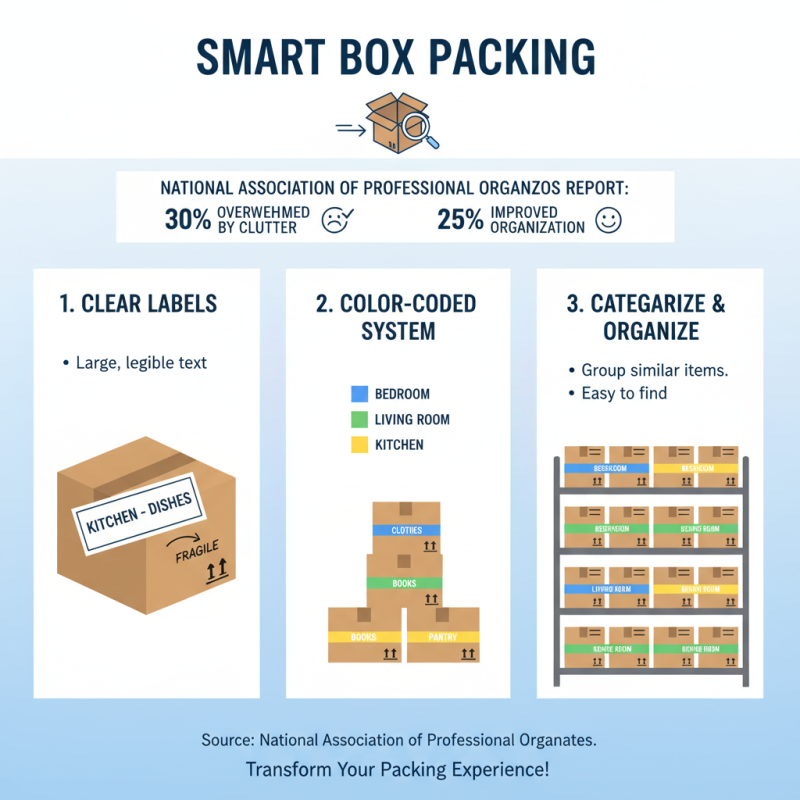
Labeling and organizing cardboard boxes effectively can transform your packing experience. According to a report by the National Association of Professional Organizers, 30% of people feel overwhelmed by clutter. Proper labeling can mitigate that stress and improve organization by at least 25%. Start by using clear, visible labels. Consider color-coded systems. Using different colors for various categories makes finding items easier.
Think creatively when labeling. Simple tags made from paper can work wonders. You can also explore digital options—QR codes linked to inventory lists. However, it's essential to acknowledge that not everyone can keep up with digital organization tools. Some may lose track of their boxes despite efforts. Whether you write by hand or tweet your labels, consistency improves your packing success.
It’s important to regularly revisit your organization system. Boxes tend to pile up. Some may contain forgotten items. Every few months, conduct a “box audit.” This will help identify what can be discarded or repurposed. A survey found that 40% of individuals struggle to let go of items they don’t use. Lifetime use of boxes should be a consideration too. Regularly assessing your boxes can lead to a clutter-free space in the long run.
Recycling and Reusing Cardboard Boxes for Sustainability
Cardboard boxes offer a sustainable solution for packing and organizing. About 70% of paper and cardboard products can be recycled. This recycling rate helps reduce waste in landfills. Each ton of recycled cardboard saves 9 cubic yards of landfill space. Many individuals overlook this potential in their daily lives. They often discard boxes without considering their environmental impact.
Reusing cardboard boxes extends their life cycle. A simple grocery item cart can be creatively reconstructed from old boxes. Many households can implement this with little effort. Reports show that reusing materials can reduce demand for new resources. Studies indicate that reusing cardboard can save energy. Approximately 60% less energy is consumed when reusing over creating new materials.
Despite these benefits, awareness remains low. Some people still see discarded boxes as trash. This mindset undermines sustainability goals. The challenge lies in changing perception and behavior. Small actions can lead to significant changes. An individual can start by setting aside a few boxes for future use. It’s a step towards a more sustainable lifestyle. Every box counts in the journey to reduce waste and promote recycling.
How to Effectively Use Cardboard Boxes for Packing and Organizing? - Recycling and Reusing Cardboard Boxes for Sustainability
| Use Case |
Dimension (in inches) |
Weight Capacity (lbs) |
Recyclability |
Notes |
| Moving Boxes |
18 x 12 x 12 |
30 |
Yes |
Ideal for books and small items. |
| Storage Boxes |
24 x 18 x 18 |
50 |
Yes |
Great for clothing and toys. |
| Shipping Boxes |
22 x 22 x 22 |
40 |
Yes |
Good for electronic items. |
| Organizing Boxes |
12 x 12 x 12 |
20 |
Yes |
Perfect for craft supplies. |
| Gift Boxes |
10 x 10 x 10 |
15 |
Yes |
Great for small gifts and items. |