How to Effectively Use Removal Boxes for Easy Moving and Packing Tips
Moving can be a daunting task, with various studies indicating that about 45% of Americans move at least once in their lives. With such frequency, the demand for efficient packing solutions has surged. Among these, removal boxes have emerged as a staple for both individual movers and professional packing services. According to the American Moving & Storage Association, the right packing materials can significantly reduce damage during transport, making the choice of boxes critical for a successful relocation.
Utilizing removal boxes allows for more organized packing, helping to ensure that items are securely stored and easily accessible upon arrival. Research shows that using uniform box sizes can expedite the loading and unloading process by facilitating stackability and maximizing space. In fact, packing experts recommend that structured packing with removal boxes can save movers up to 25% more space in the moving vehicle, highlighting their practicality. In this guide, we will explore effective strategies for using removal boxes to streamline your moving experience, making the transition smoother and more manageable.

Benefits of Using Removal Boxes for Moving and Packing
Using removal boxes for moving and packing offers numerous advantages that can significantly ease the relocation process. Firstly, these boxes are designed specifically for transport, providing sturdy protection for your belongings. Unlike standard cardboard boxes, removal boxes often feature reinforced sides and a reliable construction that can withstand the rigors of moving. This means that fragile items like glassware and collectibles can be secured with less risk of damage during transit.
Moreover, removal boxes come in various sizes and shapes, allowing for efficient packing. This versatility enables you to choose the perfect box for different types of items, optimizing the use of space within your moving vehicle. By utilizing the right size boxes, you can avoid the stresses of shifting loads or dealing with overcrowded packing situations. Additionally, many removal box systems incorporate built-in handles, making them easier to lift and maneuver, which is especially beneficial when transporting heavy loads.
Finally, using removal boxes can streamline the unpacking process at your new home. Since they are often labeled or designed with clear identification, finding specific items becomes more straightforward. This organizational element minimizes confusion and reduces the time spent sorting through unpacked boxes, allowing for a smoother transition into your new living space. In summary, the benefits of removal boxes extend beyond simple transport; they enhance protection, promote organization, and facilitate a more efficient moving experience.
Choosing the Right Type and Size of Removal Boxes for Your Needs
Choosing the right type and size of removal boxes is crucial for a smooth and efficient moving experience. The first step is to assess the items you need to pack. Consider the fragility, weight, and dimensions of your belongings. For heavier items like books, opt for small boxes to make them manageable. Delicate items, such as glassware or electronics, require specialized boxes, often with added padding or compartmentalization to ensure safety during transit. Additionally, wardrobe boxes can simplify the moving of clothing without the need for folding, preserving their shape and cleanliness.
Next, think about the size of the boxes you’ll need. While it’s tempting to use large boxes for everything to maximize space, this can lead to overpacking and difficulty in handling. A mix of box sizes is often the best approach; use large boxes for lightweight, bulkier items, like bedding or pillows, while smaller boxes serve best for heavier or more fragile items. It’s also advisable to consider stackability and how you will load the boxes into the moving vehicle. Properly choosing the right box size can not only make your packing process more organized but also protect your belongings, ensuring they arrive safely at your new home.
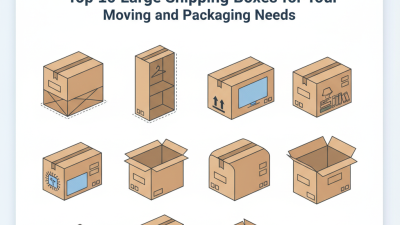
Removal Box Types and Sizes for Effective Moving
Tips for Organizing and Packing Items in Removal Boxes Efficiently
When it comes to packing and moving, effective organization is key to a smooth transition. Utilizing removal boxes efficiently can significantly streamline the packing process.
Start by categorizing your items into groups—kitchenware, clothing, electronics, and personal items. This not only makes packing more manageable but also simplifies the unpacking process at your new location.
Label each box clearly with its contents and the room it belongs to; this will help both during the move and when you settle into your new space.
Next, consider the arrangement within each box. Heavier items should be placed at the bottom of the box to prevent lighter items from being crushed. Use packing materials, such as bubble wrap or newspaper, to fill empty spaces and protect fragile items.
Make sure to seal boxes securely with tape, and avoid overpacking to ensure that boxes remain easy to lift and transport. By following these tips, you can maximize space and minimize the risk of damage, making your packing experience more efficient and less stressful.
Best Practices for Labeling and Sealing Removal Boxes
When it comes to moving, one of the best practices for managing removal boxes involves thorough labeling and sealing techniques. Clear labeling is essential for any successful moving process, as it allows you to identify the contents of each box quickly. Use a permanent marker to denote the room each box belongs to, as well as a brief description of its contents. For example, instead of just labeling a box "kitchen," you might specify "kitchen - pots and pans." This specificity helps streamline unpacking, ensuring each item finds its way to the right place in your new home.
Sealing boxes properly is equally important. Use strong packing tape to secure all seams, especially on the bottom where the weight of the items can cause a weak box to break. When sealing, be generous with the tape—three strips are often recommended for added security. Additionally, if a box contains fragile items, make sure to mark it with “FRAGILE” in bold letters so that handlers know to exercise caution. By employing these labeling and sealing strategies, you can facilitate a smoother moving experience and minimize the risk of damage to your belongings.
How to Effectively Use Removal Boxes for Easy Moving and Packing Tips
| Packing Tips |
Best Practices for Labeling |
Sealing Techniques |
| Use sturdy boxes for fragile items. |
Label each box with its contents and room destination. |
Use packing tape to securely seal the boxes. |
| Pack heavier items in smaller boxes. |
Use color-coded labels for each room. |
Reinforce the bottom of boxes with extra tape. |
| Wrap fragile items in bubble wrap. |
Clearly mark boxes with fragile items. |
Use a tape dispenser for easier sealing. |
| Fill all empty spaces with packing peanuts or crumpled paper. |
Keep an inventory list of labeled boxes. |
Seal boxes with a cross pattern for extra security. |
Strategies for transporting Removal Boxes Safely during a Move
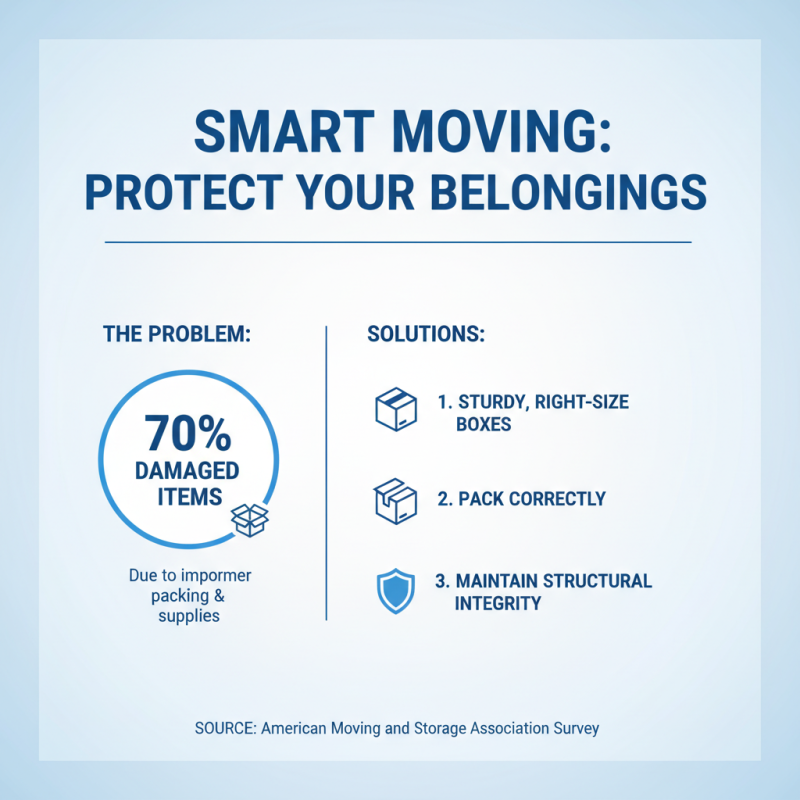
When it comes to moving, the safe transportation of removal boxes is essential to ensure your belongings arrive intact at your new destination. According to a survey conducted by the American Moving and Storage Association, about 70% of individuals report that they suffered damage to their items during a move due to improper packing or inadequate moving supplies. To mitigate this risk, it’s important to choose sturdy, appropriately-sized removal boxes and to correctly pack them to maintain structural integrity while in transit.
One effective strategy is to pack the boxes in a way that distributes weight evenly. Heavy items should be placed at the bottom, while lighter items can be layered on top. This not only optimizes the use of space but also prevents the boxes from becoming unbalanced, which can lead to spills and damages. Additionally, reinforcing boxes with packing tape and labeling them clearly can streamline the unpacking process and protect fragile goods. A study by the International Association of Movers highlights that labeled boxes reduce unpacking time by up to 30%, allowing for a smoother transition into your new home.
Moreover, utilizing a dolly or hand truck for transporting removal boxes can make a significant difference in both safety and efficiency. The same AMSA report indicates that using proper equipment can reduce the risk of injury by more than 60%. Investing time in planning the path through your moving space and removing obstacles can further ensure a seamless relocation process. Following these strategies will help safeguard your possessions and enhance the overall moving experience.