How to Pack Boxes for Moving Efficiently and Safely Tips for a Smooth Move
Moving to a new home is a significant life event that can bring both excitement and stress. The efficiency and safety of your move largely depend on how well you prepare, particularly when it comes to packing boxes for moving. According to a report by the American Moving and Storage Association, nearly 35 million Americans relocate each year, which highlights the importance of effective packing strategies to streamline the process. Industry expert Sarah Thompson, a professional organizer with over a decade of experience, states, "The way you pack your boxes can make or break your moving experience; it's not just about getting things from point A to B, but doing it in a way that minimizes damage and maximizes efficiency."
To ensure a smooth transition, understanding the best practices for packing boxes for moving is essential. Proper packing not only protects your belongings but also saves you time and effort during the unpacking stage. Studies indicate that nearly 25% of people experience damage to their possessions during a move, which can often be attributed to inadequate packing techniques. By applying expert-recommended methods, you can significantly reduce the risk of breakage and ensure your items arrive at your new home intact. Preparing in advance and utilizing appropriate materials will empower you to tackle your move with confidence.
Understanding the Importance of Packing for a Safe Move
Packing is a critical step in the moving process that should not be underestimated. Understanding the importance of packing for a safe move can significantly reduce the risk of damage to your belongings and enhance your overall moving experience.
Efficient packing not only ensures that items are secured and well-organized, but also helps in managing space effectively within moving trucks or storage facilities. Each box should be carefully filled, with heavier items placed at the bottom and lighter ones on top to prevent crushing and breakage during transit.
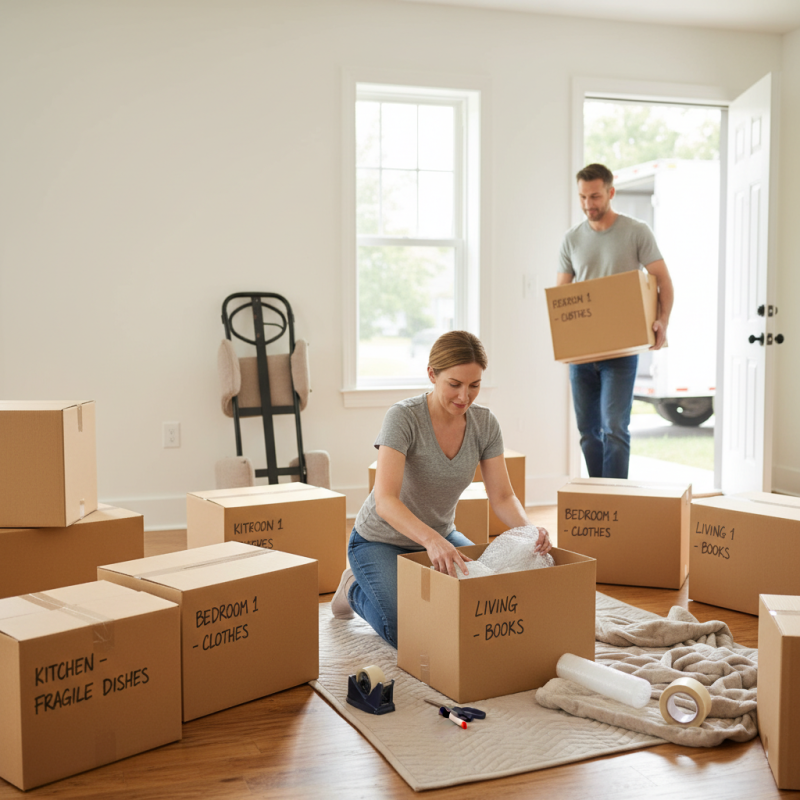
Moreover, taking the time to pack properly can ease the unpacking process at your new location. Labeling boxes according to rooms or contents allows for a smooth transition as you settle into your new space. It also minimizes the frustration of searching for essential items after the move.
Additionally, employing protective materials like bubble wrap or packing paper can help safeguard fragile objects, reducing the chances of unforeseen accidents. In doing so, you create a safer and more efficient moving experience that protects both your belongings and your peace of mind.
Choosing the Right Packing Materials for Different Items
When it comes to packing boxes for moving, selecting the appropriate
packing materials for various items is crucial to ensure their safety and integrity during transport.
According to industry studies, approximately 31% of moving-related damage is
attributed to improper packing methods. Therefore, understanding which materials to use for specific
items can significantly reduce the risk of breakages and losses.
For fragile items such as glassware, ceramics,
and electronics, it's essential to use high-quality bubble wrap
and packing paper for cushioning. The American Moving and Storage Association (AMSA) reports that using
at least 2-3 inches of cushioning material around sensitive items can reduce
the likelihood of damage by up to 60%. Sturdy, double-walled boxes are also
recommended for these items to provide additional structural support. Conversely, for heavier items like
books and tools, it’s best to use smaller, durable boxes to avoid overloading, which can lead to box failure
and potential injury.
In addition to cushioning and box strength, labeling is another critical
component of effective packing. Packing tape that forms a secure seal is crucial to prevent boxes from
opening during transit. As per a study by the International Association of Movers, properly sealed and labeled
boxes not only streamline the unpacking process but also enhance overall moving efficiency by
25%. By investing time in choosing the right packing materials, movers can
ensure a smoother transition to their new home.
Step-by-Step Guide to Packing Your Boxes Efficiently
When it comes to packing boxes for a smooth move, following a step-by-step guide can make all the difference. Start by gathering all the necessary packing materials, including sturdy boxes in various sizes, bubble wrap, packing paper, and strong tape. Ensure that the boxes are clean and dry. It’s important to pack heavier items at the bottom of the box and lighter ones on top to maintain balance. As you fill each box, make sure to leave little to no empty spaces; this can be achieved by adding packing paper or bubble wrap to cushion items and prevent them from shifting during transit.
As you pack, label each box clearly with its contents and the room it belongs to in your new home. This not only helps in keeping track of your items but also makes unpacking much easier. For fragile items, take extra care by wrapping them individually and marking the boxes as "fragile." Additionally, consider packing an essentials box with items you’ll need immediately after moving, such as toiletries, a change of clothes, and important documents. This organized and strategic approach to packing can help ensure that your move is efficient and stress-free.
Moving Supplies Usage Survey
This chart represents the percentage of various packing supplies used by individuals during their moving process. It highlights the most common supplies and their relative usage, helping to understand what items are essential for a smooth move.
Labeling and Organizing Boxes for Easy Unpacking
When preparing for a move, the way you label and organize your boxes can significantly impact the efficiency of unpacking in your new home. According to a study by the National Association of Professional Organizers, nearly 80% of individuals who engaged in organized packing reported being able to unpack their belongings within the first day of moving. Labeling boxes with specific room names and contents not only streamlines the unpacking process, but it also keeps essential items easily accessible when you arrive.
Tips: Use a color-coding system for your labels. Assign different colors for each room—blue for the kitchen, red for the living room, and so forth. This visual method allows for quick identification, reducing the time spent searching for your essentials. Additionally, make sure to include a brief description of the contents inside each box, which will make it straightforward to find specific items without having to open multiple boxes.
Incorporating a numbering system can also be beneficial. By numbering each box and maintaining a corresponding inventory list, you can easily track what you've packed and ensure that nothing is left behind. The Moving.com report indicates that over 65% of people who used an inventory system felt more in control during their move. This proactive strategy not only alleviates stress but also helps identify any missing boxes post-move swiftly.
How to Pack Boxes for Moving Efficiently and Safely: Tips for a Smooth Move - Labeling and Organizing Boxes for Easy Unpacking
| Item |
Box Size |
Quantity |
Label |
Notes |
| Books |
Medium |
3 |
Living Room - Books |
Handle with care |
| Clothing |
Large |
2 |
Bedroom - Clothes |
Folded and packed |
| Kitchenware |
Medium |
1 |
Kitchen - Fragile |
Use bubble wrap |
| Electronics |
Medium |
1 |
Living Room - Electronics |
Keep cords organized |
| Toys |
Large |
2 |
Kids Room - Toys |
Label by age range |
Tips for Protecting Fragile Items During the Move
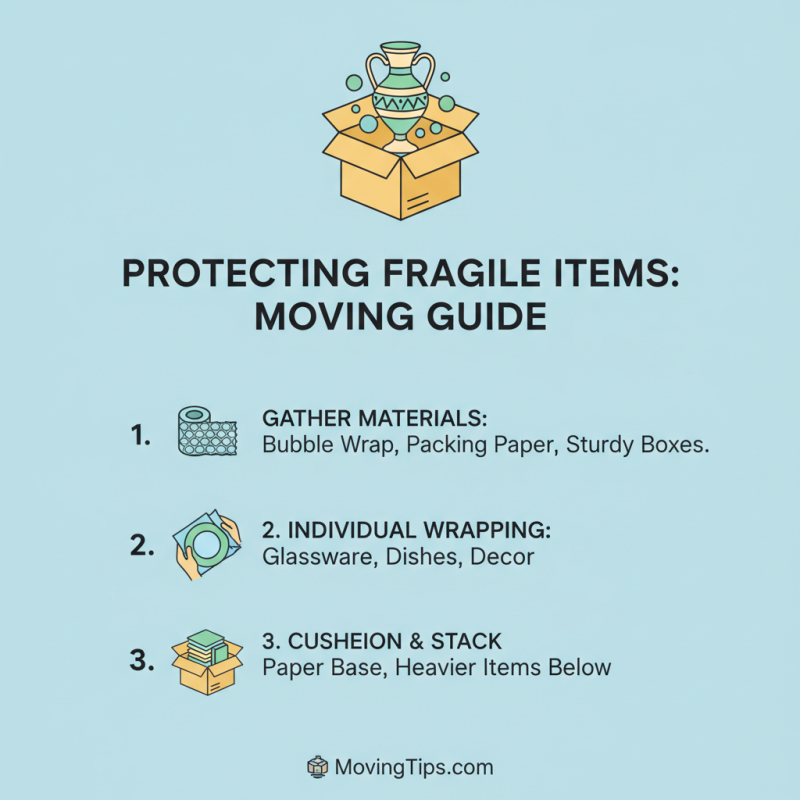
When preparing for a move, protecting fragile items is a top priority to ensure they arrive at your new home in perfect condition. The first step is to gather appropriate packing materials, including bubble wrap, packing paper, and sturdy boxes specifically designed for delicate items. For glassware, dishes, and sentimental décor, wrap each piece individually. Begin by placing crumpled packing paper at the bottom of the box to create a cushioned base. Then, stack the items securely, ensuring that heavier items are at the bottom to avoid crushing lighter ones.
Another effective strategy is to utilize dividers for boxes containing fragile items. These can be made from cardboard or purchased specifically for this purpose. Dividers create distinct sections, preventing items from shifting during transport and reducing the risk of breakage. Additionally, fill any gaps with packing peanuts or crumpled paper to absorb shock. Clearly labeling boxes containing fragile items can also aid movers, ensuring they handle these boxes with care. By following these tips, you can significantly decrease the chances of damage to your cherished belongings during the moving process.