How to Efficiently Pack Boxes for Moving Without Stress?
Moving can be overwhelming. One of the most stressful tasks is packing boxes for moving. Many people underestimate the effort involved. The right approach can make a significant difference.
Efficient packing is essential for a smooth move. You need to consider both time and organization. It's not just about throwing items into boxes. Instead, careful planning is necessary for a successful outcome. Often, people forget to label boxes or use inadequate packing materials. These mistakes lead to frustration later.
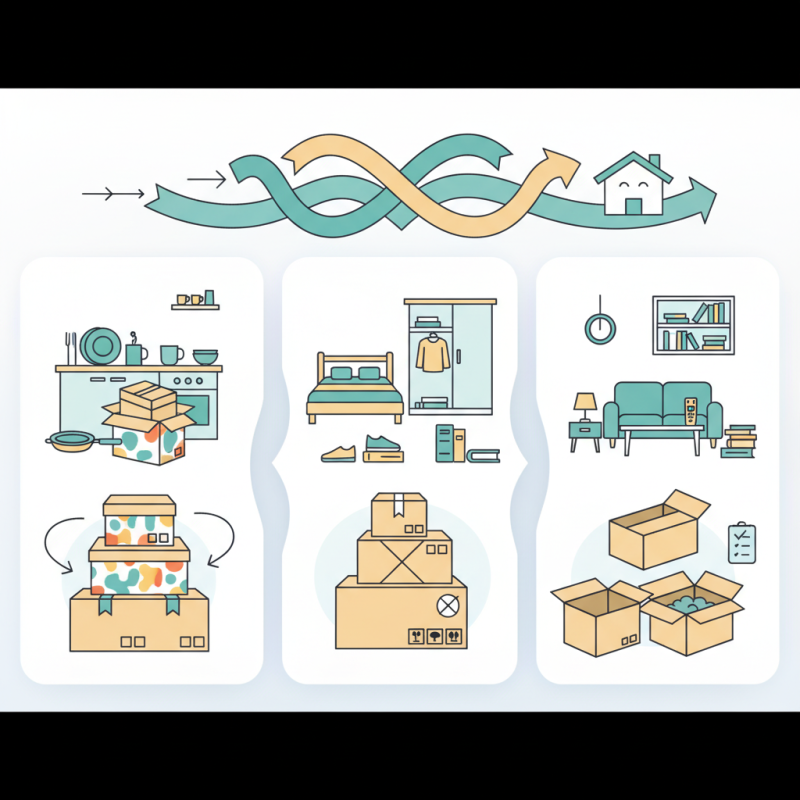
Visualize packing your kitchen, bedroom, or living room. Each space requires different strategies. Imagine running out of boxes or misplacing important items. These scenarios can add to your stress. Taking time to prepare and pack properly can ease that tension.
Understanding the Importance of Efficient Packing for Moving
Packing efficiently for a move is crucial. It saves time and reduces stress. When you pack well, you can find your belongings easily. Disorganized packing leads to frustration. It can also result in damaged items. Knowing how to pack matters.
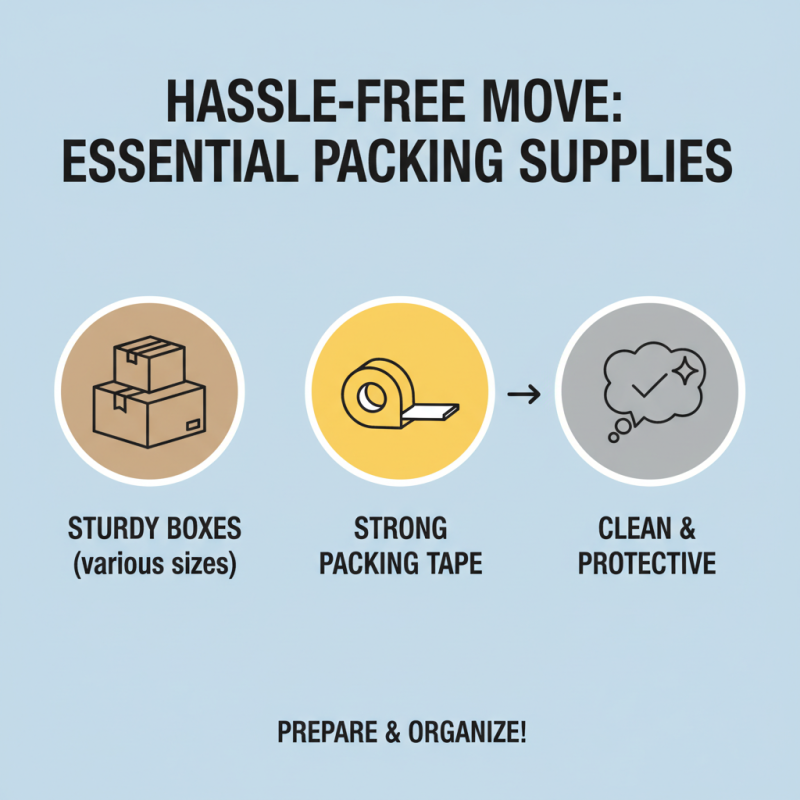
Start by gathering materials. Use boxes, tape, and cushioning. Label each box clearly. This prevents confusion later. Consider grouping similar items together. For instance, pack kitchen items in one box. It makes unpacking a breeze. But people often overlook small details, like protecting fragile items. Bubble wrap and newspapers can help.
Create a packing timeline. Tackle one room at a time. Many people underestimate how long packing takes. It often takes longer than anticipated. Some items, like clothes, may stay in bags. It’s tempting to ignore this, but it can lead to chaos. Prioritize essential items. Keep a box for must-haves. This allows you to settle in quickly. Remember that efficient packing can greatly ease the moving process.
Importance of Efficient Packing for Moving
Step-by-Step Guide to Packing Different Types of Items
Packing for a move can be a daunting task, especially when it comes to different types of items. Statistics show that 60% of people find packing stressful. To make it easier, consider using different packing methods tailored to each item category. For example, fragile items like glassware should be wrapped in bubble wrap and packed in sturdy boxes. Research indicates that 30% of breakage during moving occurs due to inadequate packing materials. So, investing in quality supplies is key.
For clothing, using vacuum-sealed bags can save space. This method reduces the volume by up to 50%, allowing for more efficient packing. However, be cautious; overstuffing can lead to wrinkles. Consider using boxes for shoes to keep them organized and prevent damage. Many movers report that 45% of their clients forget to pack seasonally appropriate clothing, leading to unnecessary stress during adjustment.
In the case of electronics, keep original boxes if possible. They often provide the best protection. Remove batteries to prevent leaks. While it’s essential to pack these items carefully, don’t become overly meticulous. Some items might end up getting lost in the process. Acknowledging that you won’t get everything perfect takes some pressure off. Focus on creating an organized system that works for you, even if some chaos remains.
Labeling and Organizing Boxes for Easy Unpacking
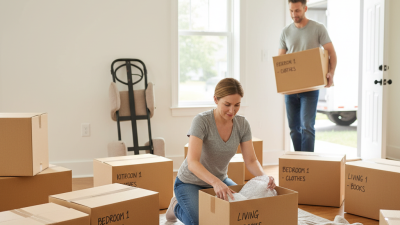
When packing boxes for a move, labeling is crucial. Use clear, large letters for each label. Include room names and contents. This practice saves time during unpacking. Be specific about items. Instead of “Kitchen Items”, write “Dishes and Utensils”. It makes finding essentials easier.
Organizing is another key step. Group similar items together. Keep books with books, and clothes with clothes. Use color-coded labels if possible. They bring a visual element that helps identification. You might forget the content later, so notes can be helpful. However, it’s easy to misplace labels. Double-check your categories.
Consider using a numbering system too. Assign numbers to boxes, and maintain a list of what each number contains. This method can seem obsessive but often pays off. When you’re tired from moving, the last thing you want is to search for the kettle. A thoughtful approach to packing leads to smoother unpacking. It’s worth the effort.
Tips for Ensuring Fragile Items are Packed Safely and Securely
When packing fragile items, safety should be your main concern. According to industry reports, about 25% of damaged items during moves are fragile. This highlights the need for careful packing. Use sturdy boxes that can withstand pressure. Wrap each item individually in bubble wrap or packing paper. This adds a protective layer and absorbs shocks.
Pay attention to how you place items in the box. Heavier items should be at the bottom, with lighter ones on top. Maintain balance to prevent shifting during transit. Fill gaps with packing peanuts or crumpled paper. This step is often overlooked, but it cushions the items and prevents them from colliding.
Label each box clearly. Indicate fragile contents prominently. This simple action can prevent mishandling. It's surprising how many movers overlook this detail. Consider the possibility of needing to unpack quickly. If you don’t label properly, you might face unnecessary stress later. Packing fragile items requires thoughtful planning. Don’t underestimate the importance of each step in this process.