10 Essential Tips for Choosing the Right Packaging Boxes for Your Business?
In today's competitive market, selecting the right packaging boxes is essential for any business. Recent industry reports indicate that consumers are more likely to choose products with attractive and functional packaging. According to a study by the Packaging Association, 72% of customers believe that packaging design influences their purchasing decisions. This statistic highlights the importance of thoughtful packaging.
Expert John Smith, a leading authority in the packaging sector, emphasizes that “the right packaging boxes can not only protect products but also serve as a powerful marketing tool.” However, many businesses struggle to balance aesthetics and functionality. Choosing the wrong type can lead to damaged goods or unsatisfied customers.
Understanding material options and design features can greatly impact effectiveness. Every detail matters, from the box strength to its visual appeal. Some companies overlook this, believing any box will suffice. Reflecting on past choices can reveal valuable lessons in improving packaging strategies for better customer engagement and retention.
Understanding Your Product's Packaging Requirements
When choosing packaging boxes, understanding your product's packaging requirements is crucial. Different products have unique needs. For example, fragile items need cushioning. Lightweight products can benefit from lightweight boxes. It's not just about aesthetics; functionality plays a key role.
Think about the dimensions of your product. A snug fit prevents movement during transit. Consider the materials as well. Cardboard boxes are versatile but may not provide enough protection for heavy goods. Reflect on how your packaging affects the unboxing experience. Customers value that moment. A well-packaged product can enhance satisfaction.
It’s easy to overlook details. Always test your packaging. Does it hold up under stress? Are your boxes easy to open? Sometimes, less is more. Minimal packaging can reduce waste and cost. Yet, it may compromise protection. Find the balance. Packaging decisions can shape your brand perception profoundly.
Evaluating Material Options for Packaging Boxes
When evaluating material options for packaging boxes, businesses face crucial choices. The right packaging can enhance brand reputation and reduce shipping costs. For example, cardboard is a popular choice due to its strength and lightweight nature. According to recent industry reports, about 70% of consumers prefer recyclable materials. This trend indicates a growing demand for sustainable packaging solutions.
Plastic materials, despite their durable qualities, often face backlash due to environmental concerns. Nearly 60% of consumers express anxiety about plastic waste. Companies should consider alternative materials like biodegradable options. These materials may reduce consumer apprehension and align with eco-friendly practices. It's vital to test different materials to understand their performance in real-world conditions.
Thickness and density matter too. A well-designed box can withstand shipping pressures without compromising product safety. Reports suggest that more than 50% of product damage occurs during transit due to inadequate packaging. Conducting thorough evaluations of material strength could prevent costly losses. Remember, selecting the perfect packaging is not just about protecting products; it’s about building trust with consumers.
Assessing the Impact of Size and Dimensions on Shipping
When selecting packaging boxes for your business, size and dimensions play a critical role. Properly sized boxes not only protect your products but also affect shipping costs. According to a recent report by the National Council of Packaging, around 30% of shipping expenditures stem from inefficient packaging. Many businesses face challenges due to oversized boxes, which increase weight and volume during shipping.
To avoid these pitfalls, consider your product's dimensions carefully. Use a packaging calculator to determine the ideal box size. Reducing excess space will lead to less wasted material and lower freight costs. A smaller box also minimizes the risk of product damage during transit.
Another tip is to evaluate your box’s design. A well-considered design can significantly streamline your operations. For instance, multi-depth boxes can adjust sizes for various products. Custom options may offer a better fit but consider costs and lead times. Assessing these factors early on can prevent financial strain later. Taking the time to evaluate size and dimensions now will pay off in smoother logistics down the line.
Impact of Box Size on Shipping Costs
Design and Branding Considerations for Your Packaging
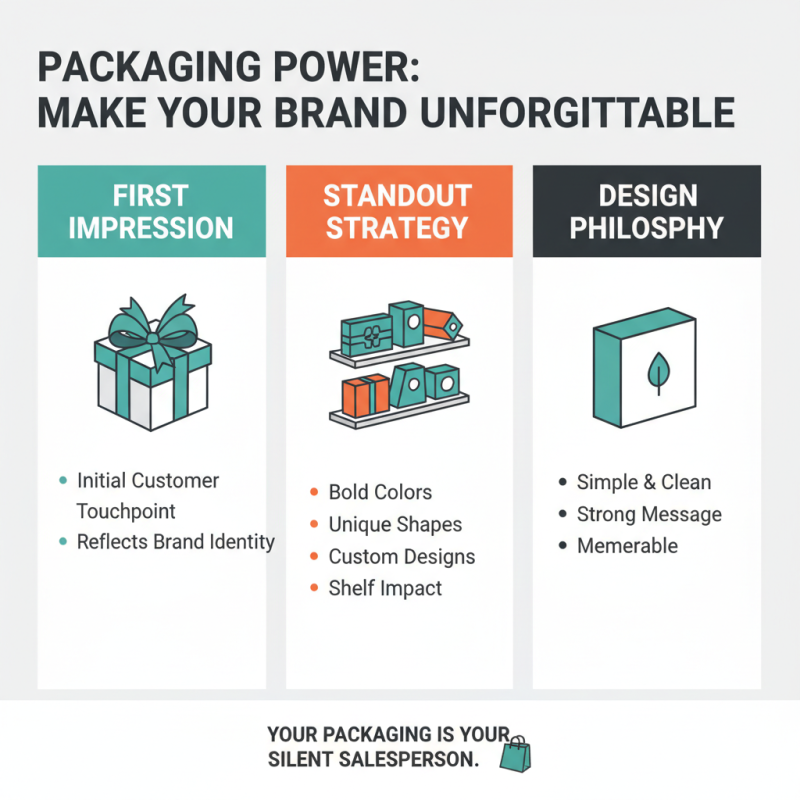
When it comes to packaging, design and branding are crucial. Your packaging is the first thing customers see. It should reflect your brand's identity. Bold colors, unique shapes, and custom designs can all play a role. Think about how your packaging stands out on a crowded shelf. Simple designs often leave a strong impact.
Consider the material of your packaging as well. Eco-friendly options are gaining popularity. Customers appreciate brands that care for the environment. Using recyclable materials can enhance your brand image. Ensure that your packaging is durable. It should protect the product while being visually appealing.
Here are some tips to keep in mind. Make sure your logo is clearly visible. Use typography that reflects your brand's voice. Keep the messaging clear and concise. Often, less is more. Don’t overcrowd your design with too many elements. Test your packaging with real users to gather feedback. This can bring insights that you might overlook. You may need to make changes based on customers' reactions. Design is an evolving process, and that’s okay.
Cost Analysis and Budgeting for Packaging Solutions
When selecting packaging boxes, cost analysis is crucial. Understand the materials and their prices. Cardboard, plastic, and biodegradable options have different cost structures. Calculate the total cost for bulk orders versus smaller quantities. Sometimes, a more expensive option can save money in the long run due to durability or lower shipping costs.
Budgeting is another key factor. Set aside funds specifically for packaging. Keep in mind extra costs, such as design and printing. A budget should also account for initial mistakes. Consider purchasing samples before committing to larger orders. Unexpected changes may lead to reevaluation of your packaging choices.
Finding the right balance between cost and quality can be challenging. It’s easy to get drawn into a bargain without considering the impact on your brand. Sketch out your ideal packaging. This can help clarify your vision and budget more accurately. Regular reviews of expenditures against sales can reveal insights into effective packaging strategies.