Why Are Cardboard Boxes Essential for Shipping and Storage?
Cardboard boxes play a crucial role in shipping and storage. They are not just basic containers; they are a vital part of logistics. Their design and strength ensure the safe transport of goods. Cardboard boxes can withstand various conditions. They protect items from dust, moisture, and physical damage. This reliability is why many businesses trust them.
Every year, billions of cardboard boxes are produced. They come in different sizes and shapes, made to fit specific needs. The versatility of cardboard boxes makes them a popular choice. Industries ranging from e-commerce to manufacturing rely on them. However, not all boxes are created equal. Some may lack durability or structural integrity. It is important to choose wisely based on the type of goods being shipped.
In an ever-changing market, the demand for efficient packaging grows. Cardboard boxes are not just practical; they are environmentally friendly. Many are made from recycled materials, promoting sustainability. Still, companies must reflect on their packaging choices. Are they making the most environmentally conscious decisions? Balancing cost and eco-friendliness is a challenge worth addressing.
The Role of Cardboard Boxes in the Global Shipping Industry
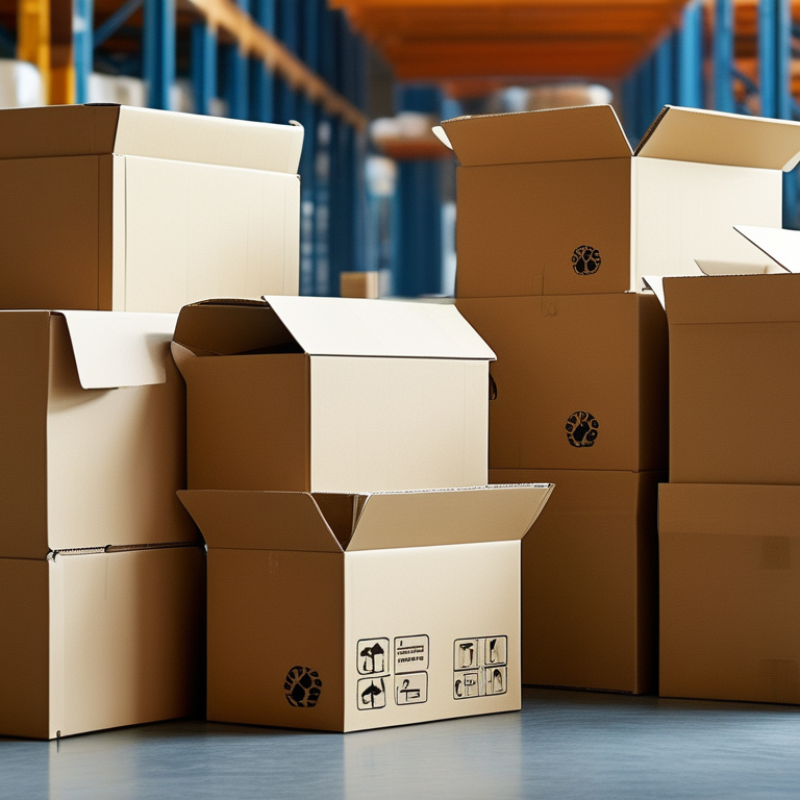
Cardboard boxes play a vital role in the global shipping industry. They provide a lightweight, durable option for transporting goods. The flexibility of cardboard allows for various sizes and shapes, meeting different shipping needs. This adaptability is crucial in a market demanding efficient packaging solutions. However, not all boxes withstand the stresses of shipping. Some may crumble under pressure, risking damage to contents.
The construction of cardboard also affects its performance. Single-wall boxes are adequate for most items, but double-wall boxes offer extra strength for heavier loads. Companies often struggle to balance cost and strength in their packaging choices. Finding the right material can minimize waste and ensure proper protection. Despite their strengths, cardboard boxes can be susceptible to moisture, compromising their integrity. This highlights the importance of choosing the appropriate box for specific items.
Sustainability is another pressing concern. Cardboard is recyclable, but improper disposal can lead to environmental issues. The packaging industry is under pressure to innovate and find sustainable practices. Addressing these challenges is essential for the future of shipping. Companies must not only consider cost and efficiency but also their environmental impact.
Market Growth: Statistics on Cardboard Box Demand and Supply Chains
The cardboard box industry is growing rapidly. Recent statistics show increasing demand due to e-commerce. As online shopping rises, so does the need for efficient packaging solutions. Cardboard boxes offer protection and flexibility. They can be customized for various products, making them ideal for shipping.
Companies are facing challenges in supply chains. Shortages can disrupt the availability of boxes. This emphasizes the importance of maintaining efficient logistics. Businesses need to assess their supply sources regularly. Planning ahead can mitigate risks related to inventory shortages.
Choosing the right box size is crucial. Oversized boxes waste space and increase shipping costs. On the flip side, undersized boxes may lead to damaged products. Rethinking packaging strategies can save money and reduce waste. Always consider the weight of contents when selecting materials. Sustainability is also a factor; recycled materials can enhance a company's image.
Environmental Impact: Sustainability Factors of Cardboard Packaging
Cardboard packaging has gained attention for its environmental benefits, particularly in shipping and storage. Studies indicate that cardboard is made primarily from renewable resources. In fact, approximately 70% of the cardboard produced is recyclable. This encourages a circular economy, reducing waste. According to a report by the American Forest & Paper Association, recycling cardboard could save over 24 million tons of CO₂ emissions annually.
Sustainability in packaging is essential for minimizing environmental harm. Cardboard has a lower carbon footprint compared to plastic and other materials. Research shows that transporting cardboard produces 44% less greenhouse gas than transporting other packaging types. It's also biodegradable, breaking down in a landfill within a few months. However, not all cardboard is created equal. Some cardboard contains harmful inks or coatings that limit recycling possibilities, raising concerns about responsible sourcing.
While cardboard is an eco-friendly option, challenges exist. The fluctuating quality of recycled materials can affect new production cycles. During adverse weather, cardboard's integrity can diminish, impacting its effectiveness. Manufacturers and consumers must be vigilant in ensuring they choose high-quality, sustainably sourced materials. Balancing cost-effectiveness with environmental responsibility remains a constant challenge in the packaging industry.
Cost-Effectiveness: Analyzing Shipping Costs with Cardboard vs. Alternatives
When evaluating shipping costs, cardboard boxes consistently stand out as a cost-effective solution. Their lightweight nature reduces shipping fees significantly. In contrast, alternatives like plastic containers or wooden crates may incur higher transportation costs due to their weight. Each ounce matters in shipping. A few extra pounds can add up quickly, especially over long distances.
Cardboard boxes also offer flexibility in size and shape. Businesses can choose boxes that fit their products perfectly, minimizing wasted space. This efficiency also saves on shipping costs. However, some may overlook the environmental impact of cardboard. While it is recyclable, improper disposal can lead to waste. It’s worth reflecting on sustainable practices when using these materials.
Despite their many advantages, cardboard boxes have limits. They may not withstand harsh conditions as well as some alternatives. Companies must assess their specific needs before choosing materials. Balancing cost with durability is essential. This requires careful analysis and thoughtful decision-making.
Security and Protection: How Cardboard Boxes Safeguard Goods in Transit
Cardboard boxes play a crucial role in shipping and storage by providing effective security and protection. These boxes create a buffer against potential damage. Their layered structure absorbs shocks during transport. Whether it's rough handling or harsh weather, cardboard boxes help safeguard the contents within. They act as a reliable shield, ensuring that items arrive at their destination intact.
When packing, it's essential to choose the right size box. A snug fit reduces movement inside the box, minimizing the risk of damage. Use packing materials like bubble wrap or foam for additional cushioning. Pay attention to weight limits, as overloading boxes can lead to accidents during transit. Remember, a well-packed box not only protects your goods but also enhances the entire shipping experience.
Some imperfections can arise during packing. Not every box will be perfectly uniform. Occasionally, you may find a tear or a dent in the cardboard. These imperfections might seem minor, but they can compromise the box's integrity. Always inspect your boxes before use. A little attention to detail can make a significant difference in ensuring your goods are well-protected during shipping.
Why Are Cardboard Boxes Essential for Shipping and Storage? - Security and Protection: How Cardboard Boxes Safeguard Goods in Transit
| Dimension |
Description |
Importance |
| Material Quality |
Cardboard is made from recycled paper, which ensures ecological sustainability. |
High-quality materials enhance durability and withstand external pressures. |
| Structural Integrity |
Designed to maintain strength during transit and storage. |
Prevents collapsing or damage to goods, ensuring safe delivery. |
| Shock Absorption |
Cardboard boxes can absorb impacts, reducing damage risks. |
Essential for fragile items to minimize breakage. |
| Customizability |
Can be easily customized in size and design. |
Adaptable for various goods, enhancing protection. |
| Lightweight |
Cardboard is lighter compared to other materials. |
Reduces shipping costs and makes handling easier. |
| Eco-Friendliness |
Biodegradable and recyclable, minimizing environmental impact. |
Supports sustainable shipping practices. |