What Are Large Shipping Boxes? Your Ultimate Guide to Choosing the Right Size
In the rapidly evolving logistics and shipping industry, the importance of
selecting the right packaging
cannot be overstated. Large shipping boxes are essential for safeguarding items during
transit, accommodating various product sizes, and optimizing shipping costs. According to a
recent report by the Packaging Association, the demand for large shipping boxes has increased
by over 25% in the past two years,
driven by the surge in e-commerce and the need for sustainable packaging solutions. This
trend highlights the necessity for businesses to adapt their packaging strategies to meet
consumer demands and logistical challenges.
As emphasized by industry expert Dr. Laura Richardson,
"Choosing the right size of large shipping boxes not only ensures
the protection of goods but also contributes significantly to cost savings and environmental
sustainability." Her insights underscore the critical nature of not just understanding the
dimensions but also the materials and designs that could enhance efficiency. With various sizes
available, businesses must navigate the options that align with their specific needs, ultimately
impacting their operations and customer satisfaction.
This ultimate guide will delve into the nuances of large shipping boxes, providing you with the
essential knowledge to make informed decisions. Whether you are a small business owner or part of
a larger corporation, understanding how to choose the right size can vastly improve your shipping
process and overall operational efficiency.
Understanding Large Shipping Boxes: Definition and Common Uses
When it comes to shipping products, understanding large shipping boxes is essential. Large shipping boxes, typically defined as containers that exceed standard dimensions, are crucial for transporting bulky items or multiple products at once. Commonly used across various industries, these boxes are vital for e-commerce, retail, and businesses that frequently ship furniture, appliances, or other large goods. According to industry reports, the demand for large shipping solutions is on the rise, with projections indicating a growth of over 4% annually in the coming years.
When selecting the right large shipping box, consider the weight and dimensions of your items. It's essential to leave some space for packing materials to protect your products during transit. Additionally, using boxes made of durable materials can help reduce damage, which, in turn, minimizes return rates.
Tips:
1. Always measure your items accurately to choose a box that prevents movement inside during shipping.
2. Consider the shipping method; different carriers may have specific size guidelines that could affect your shipping costs.
3. Invest in high-quality packing material to ensure that your items arrive safely and in good condition.
Key Factors to Consider When Choosing Large Shipping Boxes
When selecting large shipping boxes, several key factors come into play that can significantly impact the efficiency and effectiveness of your shipping process. First and foremost, size is crucial. Determine the dimensions of the items you plan to ship to ensure they fit securely within the box. Avoid excessive empty space, as this can lead to damage or shifting during transit. It's advisable to measure your items and consider a box that provides just enough room for protective packing materials like bubble wrap or foam.
Another important factor is the material of the box. Large shipping boxes often come in various materials, including cardboard and corrugated fiberboard. Corrugated boxes are typically stronger and more durable, making them ideal for heavier or fragile items. Additionally, consider the weight capacity of the box to avoid potential failures under load. Lastly, if your items require special conditions, such as temperature control or moisture resistance, look for boxes specifically designed for those needs to ensure safe delivery.
Different Types of Large Shipping Boxes and Their Features
When it comes to large shipping boxes, understanding the different types available can significantly enhance your shipping experience. There are several options, each designed to cater to various needs and products. For instance,
double-walled boxes provide extra durability and protection for heavy items, while corrugated boxes are lightweight and ideal for shipping larger, less fragile contents. Specialty boxes, like wardrobe boxes, are designed for specific items, making them perfect for clothing or delicate furniture.
Tip: Always consider the weight and fragility of your items when selecting a box type. For heavy items, opt for double-walled boxes to prevent damage during transit. If you need to ship irregularly shaped items, consider using custom-sized boxes for a snug fit.
Another option to explore is flat large shipping boxes, which are perfect for bulk items and can be easily stacked.
These boxes come in various dimensions, allowing for flexibility depending on the volume of products. Remember that the right box can promote better organization and efficiency, ultimately saving you time and reducing shipping costs.
Tip: Measure your items carefully before choosing your boxes, as this will help avoid situations where you need to repack due to size mismatches. Consider using packing materials like bubble wrap or foam inserts for added protection during transit.
How to Measure and Calculate the Right Size for Your Shipment
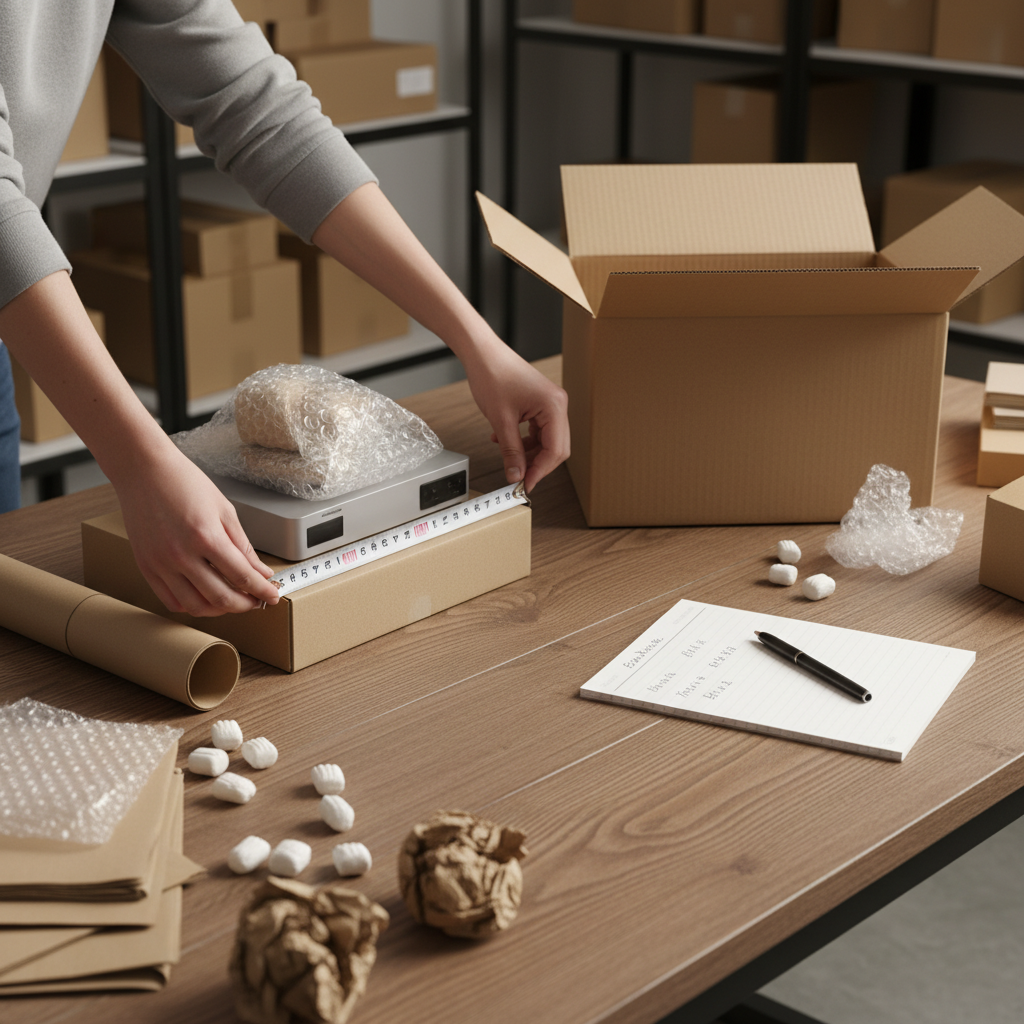
When selecting large shipping boxes, accurate measurement is crucial to ensure your items fit securely and are protected during transit. Begin by measuring the dimensions of the items you plan to ship. Use a tape measure to find the length, width, and height of each item. It’s important to measure all sides, especially for irregularly shaped objects, ensuring you account for any additional packaging material you'll need for cushioning.
Once you have the dimensions of the items, you'll need to add extra space for padding and protective materials like bubble wrap or foam peanuts. A good rule of thumb is to add at least an inch on all sides of your item’s dimensions for this purpose. After calculating the total dimensions, you can compare them with the available shipping box options. Remember to allow for weight considerations too, as larger boxes may incur higher shipping costs. By taking the time to measure and calculate, you’ll be able to choose the right size box that can safeguard your shipment effectively while optimizing your shipping budget.
Tips for Packing Efficiently in Large Shipping Boxes
When it comes to packing efficiently in large shipping boxes, organization is key. Start by gathering all the items you intend to ship and categorize them based on size and weight. This helps ensure that heavier items are placed at the bottom of the box, providing a solid foundation for lighter items on top. By keeping similar items together, you can maximize space and prevent any shifting during transit.
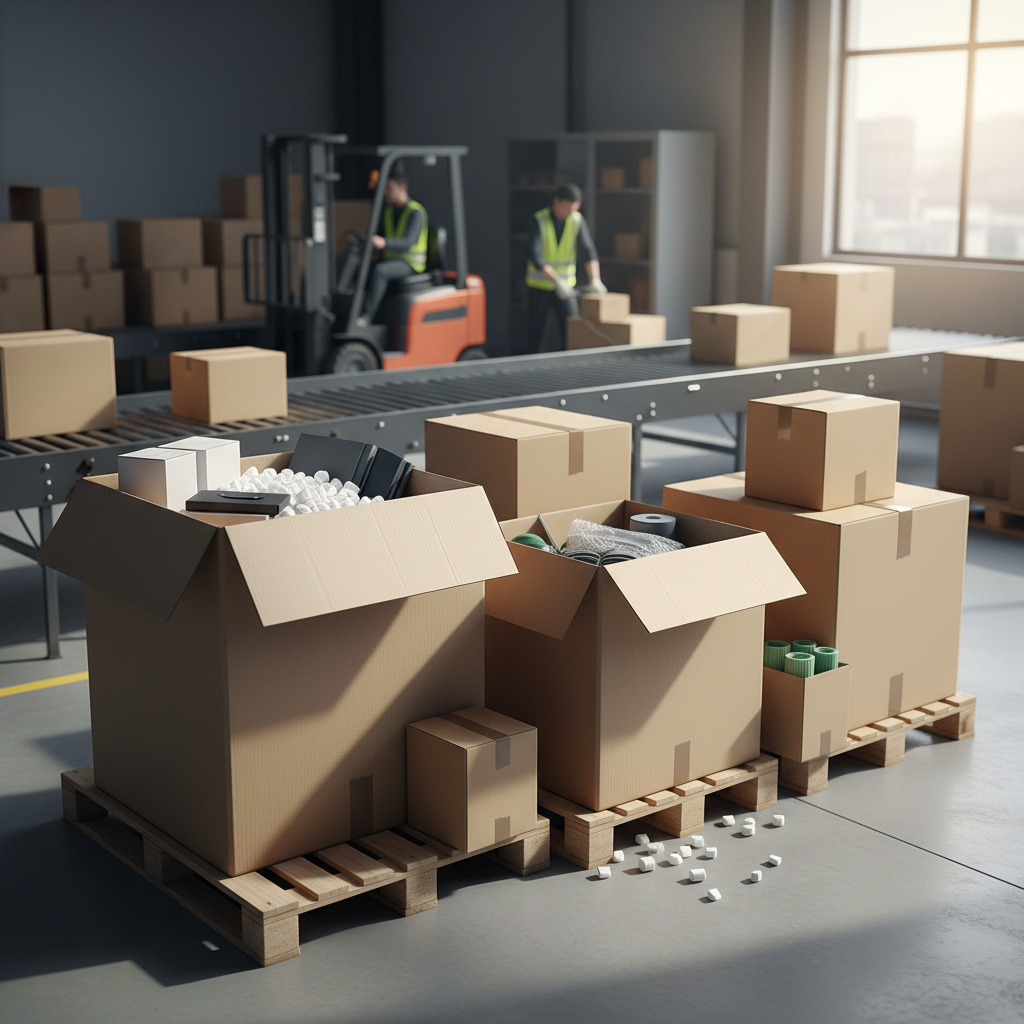
Another essential tip is to use padding and cushioning materials generously. Fill any voids with bubble wrap, packing peanuts, or crumpled paper to secure your items and minimize movement. This is especially important for fragile items, as proper cushioning can significantly reduce the risk of damage. Additionally, consider the box size carefully; don’t go larger than necessary. A well-fitted box reduces the chance of items shifting and can help you save on shipping costs.
Finally, seal your box securely with high-quality packing tape and label it clearly. Use multiple strips of tape on the seams and edges to ensure the box stays intact during transit. Labeling with clear, easy-to-read information will help both you and the shipping carrier manage your package effectively. With these tips in mind, packing large shipping boxes can be quick and hassle-free.