What is Print Inspection and Why is it Important in 2026?
In 2026, Print Inspection plays a crucial role in the printing industry. As technology evolves, ensuring quality becomes even more vital. Print Inspection helps monitor and assess printed materials. It focuses on various aspects, such as color accuracy and clarity. Failure in these areas can result in significant financial losses.
The demand for precision in print is rising. Businesses want flawless packaging and promotional materials. Consumers expect high standards too. If mistakes happen, brands may suffer. An improperly printed product can damage credibility. It becomes essential to implement effective Print Inspection processes.
However, challenges persist. Many companies still rely on outdated practices. This can lead to avoidable errors. The industry must adapt to new tools, yet some resist change. The future of Print Inspection lies in embracing innovation. Only by addressing these shortcomings can companies thrive in a competitive market.
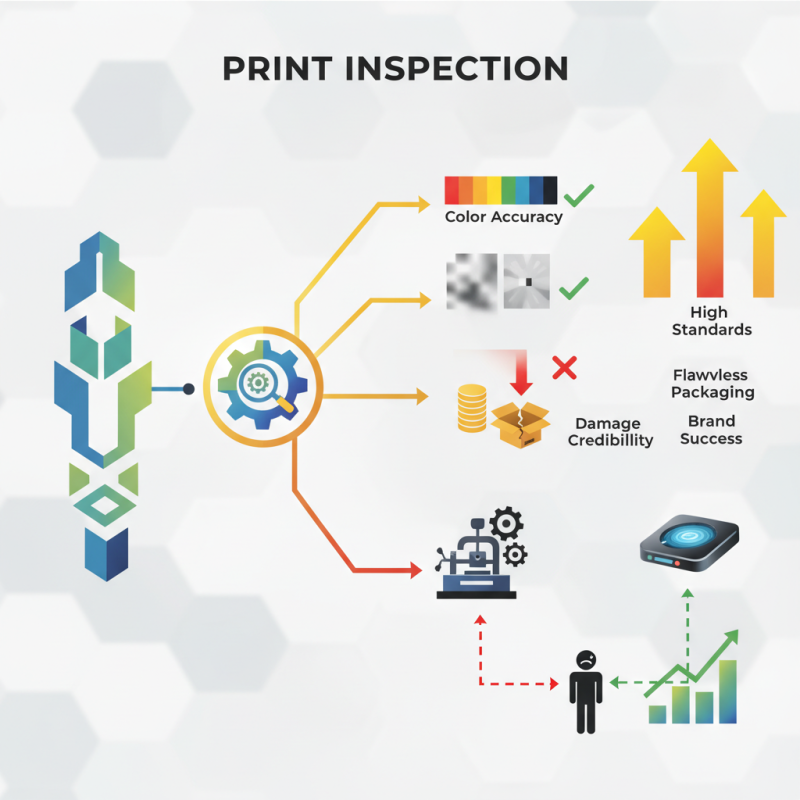
Definition of Print Inspection in Modern Printing Processes
Print inspection is a critical aspect in modern printing processes. At its core, print inspection involves closely monitoring the printed output for quality assurance. This ensures that the final product adheres to the desired standards. Various technologies, such as cameras and sensors, play a key role in this task. They help identify defects that could compromise the print quality.
In 2026, the importance of print inspection has only grown. As printing technology evolves, so do customer expectations. Today's consumers demand flawless prints with vibrant colors and sharp details. Even minor errors can lead to significant dissatisfaction. A small smudge or misalignment can ruin an otherwise perfect piece. Therefore, diligent inspection practices are essential.
However, challenges remain. Not all print runs are perfect, and some defects may go unnoticed. There is always room for improvement in inspection techniques. Over-reliance on technology can lead to complacency among operators. Balancing human oversight with automated systems is crucial. Regular training and updates help maintain the effectiveness of print inspection processes. In this fast-paced industry, staying vigilant is vital for success.
Print Inspection Trends in 2026
Key Technologies Driving Print Inspection in 2026
Print inspection is evolving rapidly in 2026, driven by key technologies. Automated systems now play a crucial role in maintaining quality. These systems can detect defects with incredible precision. High-resolution cameras examine print outputs in real-time. Algorithms analyze the data and highlight inconsistencies. This process helps prevent costly errors.
Artificial intelligence is a game changer. It enhances error detection beyond human capabilities. However, reliance on AI has its drawbacks. Sometimes, algorithms misinterpret subtle nuances in prints. This leads to false positives or negatives. Companies must continuously refine these systems. They require ongoing training and updates.
Machine learning also contributes significantly to print inspection. It adapts to new printing techniques and materials. Yet, the technology isn’t flawless. There are instances where it struggles with complex designs. This creates a need for human oversight. Balancing automation and manual checks improves accuracy. This blend fosters a more robust inspection process. Embracing these technologies while acknowledging their limits is key.
Benefits of Print Inspection for Quality Control and Efficiency
Print inspection plays a crucial role in quality control for various industries. In 2026, its significance continues to grow. As products increasingly rely on high standards, print inspection ensures consistency in appearance and function. Flaws in printing can lead to customer dissatisfaction. A tiny smudge or a misplaced logo can ruin a brand's reputation.
The benefits of print inspection extend beyond quality control. It enhances efficiency in production processes. Automated print inspection systems can quickly identify issues. This speed reduces waste and minimizes downtime. Operators can address problems before they escalate. However, relying solely on automation presents challenges. Human oversight is still critical in complex scenarios.
It's important to recognize that no system is perfect. Misdetections occur, and operators must remain vigilant. Continuous training can aid in this regard. Quality control relies not just on technology but also on people. Reflecting on both strengths and weaknesses leads to better outcomes in print inspection for 2026 and beyond.
Print Inspection Data Table What is Print Inspection and Why is it Important in 2026? | Dimension | Description | Benefits | Impact on Efficiency |
| Quality Control | Ensures that print products meet predefined standards. | Reduces waste and rework. | Increases overall production efficiency. |
| Real-time Monitoring | Allows for adjustments during the print run. | Minimizes defects before they occur. | Enhances throughput and minimizes downtime. |
| Data Analytics | Collects data for trend analysis and performance tracking. | Informs decision-making and process improvements. | Boosts long-term operational efficiency. |
| Automation | Integrates with printing technologies for seamless operation. | Reduces manual checks and human error. | Speeds up production cycles. |
| Cost Efficiency | Identifies areas of cost savings in the print process. | Decreases production costs over time. | Enhances profitability by reducing expenditure. |
Challenges and Limitations of Print Inspection Systems
In 2026, print inspection systems play a crucial role in quality control. However, they face several challenges that can hinder their effectiveness. One major issue is the varying quality of materials used in printing. Inconsistent paper and ink can affect the final output, leading to unexpected defects. Additionally, older systems may struggle to adapt to the fast-paced changes in technology, limiting their accuracy.
Another significant challenge is the integration of print inspection with other processes. Many companies still operate in silos. This lack of collaboration may result in missed defects that could have been caught earlier. Without real-time data sharing, the ability to respond promptly to issues diminishes.
Tip: Regularly train your staff on the latest technologies.
Stay updated on new techniques in print inspection.
A common limitation is
false positives. Systems might incorrectly identify defects that do not exist. This can waste time and resources. Furthermore, it can lead to unnecessary pressure on production teams.
Refinement of algorithms is essential but often overlooked.
Tip: Encourage open communication between teams. Address concerns about perceived defects. This can reduce stress and foster a more productive environment.
Future Trends in Print Inspection and Their Impact on Industry Standards
In 2026, the landscape of print inspection is evolving rapidly. Advanced technology is reshaping how industries maintain quality standards. Automation in print inspection is becoming prevalent. A recent report indicates that 72% of manufacturers plan to invest in automated inspection systems by 2026. This shift is driven by the need for accuracy and efficiency.
Moreover, we are observing a significant increase in the adoption of AI for inspection processes. AI systems can analyze defects in real-time, enhancing quality control. A study predicts that AI will lead to a 40% reduction in inspection time by 2026. However, as these technologies advance, the human element remains critical. Workers must adapt to new systems, which can be daunting. Training programs need to be more robust, as only 48% of employees feel prepared to operate emerging technologies effectively.
Trends suggest an increasing focus on sustainability in print inspection. The push towards eco-friendly practices is growing. However, meeting these new standards presents challenges. Many companies struggle with balancing quality assurance and sustainability. A survey found that 54% of industry leaders express concerns about maintaining product quality while adopting greener practices. As the sector evolves, continuous reflection on these challenges will be essential for future success.
