What is the Purpose of Packing Boxes in Shipping and Storage?
Packing boxes play a critical role in the shipping and storage industries. They are essential for protecting goods during transit. A report from the International Packing Association indicates that proper packaging can reduce shipping damage by up to 30%. This statistic highlights the tangible impact of high-quality packing boxes.
Moreover, the choice of packing boxes affects storage efficiency. According to studies, well-designed boxes can increase warehouse space utilization by 20%. This improvement leads to significant cost savings. Companies face challenges in selecting the right materials and sizes for their products. Poor choices can lead to unnecessary damages and additional expenses.
Packing boxes are not just about utility; they also support branding. Eye-catching packaging can enhance customer perceptions. Companies must balance aesthetics and functionality to meet consumer expectations. Reflecting on these factors reveals that many businesses overlook the significance of tailored packing solutions. The consequences can be detrimental, influencing customer satisfaction and operational costs.

Understanding the Role of Packing Boxes in Shipping and Storage
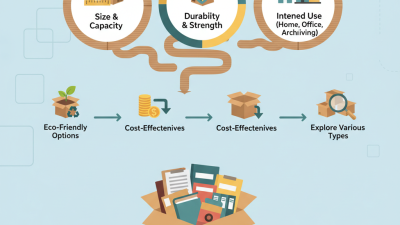
Packing boxes serve a critical role in shipping and storage. These boxes protect goods during transit, reducing damage. According to the International Safe Transit Association, about 30% of products are damaged during shipping due to inadequate packaging. This statistic highlights the importance of using quality packing materials. Properly designed boxes can withstand various stresses, such as stacking and temperature changes. An estimated 75% of consumers rate packaging quality as essential to their overall satisfaction.
In addition to protection, packing boxes optimize storage efficiency. Utilizing standard box sizes can maximize warehouse space. Data from the Warehousing Education and Research Council shows that efficient storage solutions can lead to a 20% increase in available space. However, using the wrong size box can lead to wasted space and increased costs. It requires thoughtfulness and regular assessment. Reflecting on current practices can yield areas for improvement.
Cost-effective shipping solutions also depend on packing strategies. Over a third of shipping costs arise from bad packing practices. Simple changes, like using lighter materials or reusable boxes, can cut expenses. Innovations in packing technology can further enhance sustainability. But, the industry must balance cost with product safety. This is a continuous challenge that needs addressing.
What is the Purpose of Packing Boxes in Shipping and Storage?
| Dimension |
Description |
Material |
Common Uses |
| Small |
Ideal for storing smaller items or documents |
Cardboard |
Books, electronics, small equipment |
| Medium |
Suitable for a variety of regular-sized items |
Corrugated Fiberboard |
Clothing, small furniture, toys |
| Large |
Perfect for bulky or heavy items |
Wooden or Heavy-Duty Cardboard |
Appliances, sports equipment, larger office supplies |
| Custom |
Tailored to fit specific item dimensions |
Variety (Cardboard, Foam, etc.) |
Fragile items, artworks, machinery |
Materials Commonly Used in Packing Boxes for Durability
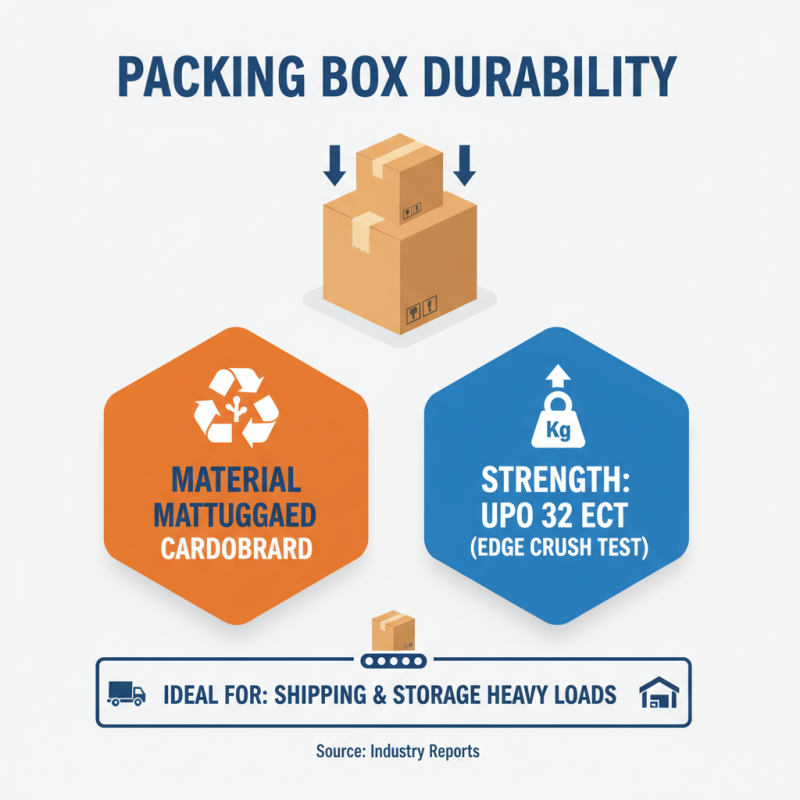
Packing boxes play a vital role in shipping and storage. The durability of these boxes largely depends on the materials used. Commonly, corrugated cardboard is a preferred choice. According to industry reports, it can withstand pressures of up to 32 ECT (Edge Crush Test). This makes it ideal for heavy loads.
Another widely used material is fiberboard. It's not only lightweight but also surprisingly strong. Fiberboard can be recycled multiple times, making it an environmentally friendly choice. A recent study highlighted that about 60% of shipping containers in e-commerce use fiberboard. However, not all boxes perform equally. Some may fail under moisture, leading to product damage.
Plastic packaging is also gaining popularity. It offers waterproof protection and can last much longer than paper-based materials. However, its environmental impact raises concerns. According to market research, around 25% of businesses are now seeking biodegradable options. This shift reflects a growing awareness of sustainability. However, the balance between durability and environmental responsibility still poses challenges.
Benefits of Properly Packed Boxes During Transportation
Properly packed boxes play a crucial role during transportation and storage. According to a study by the International Journal of Logistics, about 30% of goods suffer damage during transit due to inadequate packaging. This statistic underscores how essential it is to ensure every box can withstand the rigors of shipping. Using high-quality materials reduces this risk significantly. However, many still overlook this aspect, leading to potential losses.
Choosing the right packing techniques can enhance efficiency. A report by Packaging Strategies reveals that well-packed boxes can lead to a 20% decrease in shipping costs. This improvement comes from optimized space utilization and reduced product damage. For instance, cushioning material can absorb shocks, yet many neglect the proper use of it. In some cases, boxes are poorly sealed, resulting in lost goods. It’s easy to think that packing is a minor detail, but it can have significant economic repercussions.
Beyond just protecting items, proper packing can also improve the overall experience for the end consumer. Studies show that aesthetically pleasing packaging influences purchasing decisions by 50%. Even if the box is functional, neglecting its appearance can detract from its impact. Businesses need to reflect on these choices often. Packaging is more than a necessity; it's an opportunity often missed in the rush of logistics.
Benefits of Properly Packed Boxes During Transportation
How Packing Boxes Adapt to Different Types of Goods
Packing boxes play a critical role in ensuring the safe transport and storage of various goods. Different types of products require specific packing solutions. Fragile items need cushioning; sturdy boxes with padding are essential here. Food products, on the other hand, require boxes that are moisture-resistant. This adaptability helps to minimize damage during handling or transport.
When it comes to size, packing boxes must also be tailored. Oversized boxes can lead to shifting, while undersized boxes put pressure on goods. Additionally, materials vary from cardboard to plastic. Each material caters to specific needs, and not every type of product fits every box. Reflecting on this, one might wonder—are we always choosing the right box?
Sometimes, it's easy to overlook the importance of packing. When rushed, one might grab a box without considering its fit for the product. This can lead to wasted space or, worse, damage. The impact of choosing the right packing box can be profound. It affects costs, safety, and efficiency during shipping and storage.
Environmental Considerations in Packing Box Production and Disposal
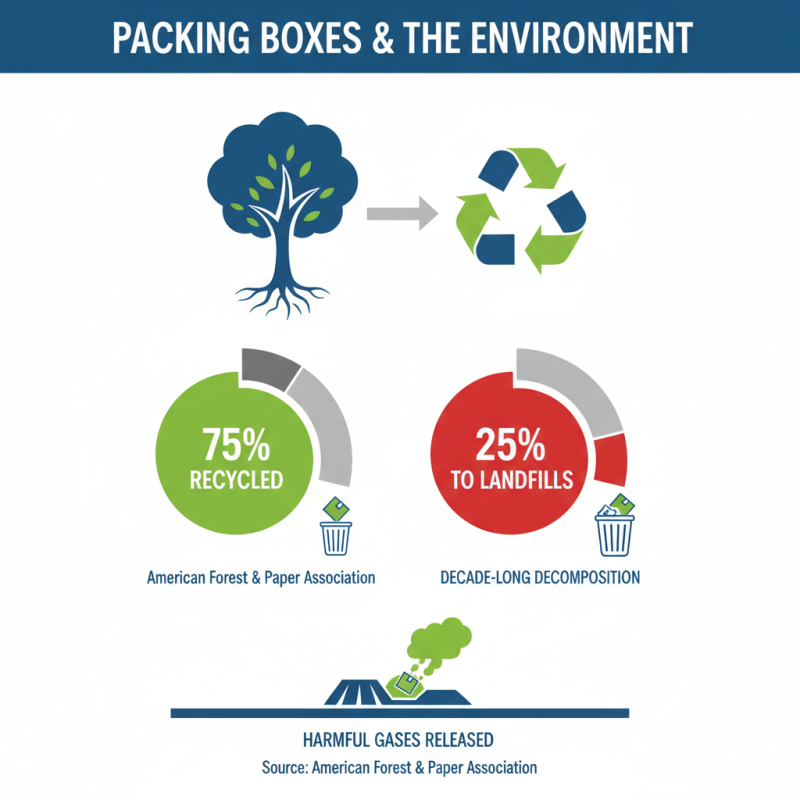
The production and disposal of packing boxes significantly impact the environment. According to the American Forest & Paper Association, around 75% of all paper and cardboard boxes in the U.S. are recycled. This is promising, but it means 25% still end up in landfills. These materials can take decades to decompose, releasing harmful gases in the process.
Using sustainable materials can reduce the environmental footprint of packing boxes. Many manufacturers are shifting toward biodegradable options. A report from The Ellen MacArthur Foundation suggests that moving to a circular economy model could save businesses $1 trillion by 2025. This approach emphasizes reusing materials rather than disposing of them.
Yet, the challenges are significant. Not all regions have access to recycling programs. In some areas, only a small percentage of consumers recycle their boxes. Educational efforts are essential for changing behaviors. Consumers often prioritize convenience over sustainability, leading to a gap in ideal practices. Understanding the lifecycle of packing materials can foster better choices for both businesses and consumers.