Top 10 Types of Cookie Boxes for Global Buyers?
Choosing the right Cookie Boxes can influence product safety, shipping costs, and customer perception. Global buyers need more than attractive printing. They must examine structure, materials, moisture resistance, and packing efficiency. A delicate butter cookie may need a strong insert and a tight closure. A dry biscuit may suit a lighter kraft box. Small details matter.
This guide reviews ten practical types for international purchasing. They include window boxes, tuck-end boxes, rigid gift boxes, drawer boxes, kraft boxes, and folding cartons. Each option serves a different purpose. Some support premium gifting. Others reduce storage space and freight expenses. Food-contact suitability should remain a central concern. Buyers should also request material specifications, coating details, and reliable production samples.
The best-looking box is not always the best-performing box. A glossy finish may show fingerprints during handling. A thin board may bend under stacked cartons. Sometimes, the sample looks perfect, but bulk production reveals weak corners. That possibility deserves honest attention. Testing compression, closure strength, and cookie fit can prevent expensive surprises. Buyers should compare suppliers carefully and confirm applicable packaging requirements in their target markets. Recyclability also matters, although claims should be supported by clear material information. This overview offers a practical starting point for selecting Cookie Boxes with greater confidence, while recognizing that budget, product weight, branding goals, and shipping routes may change the final decision.
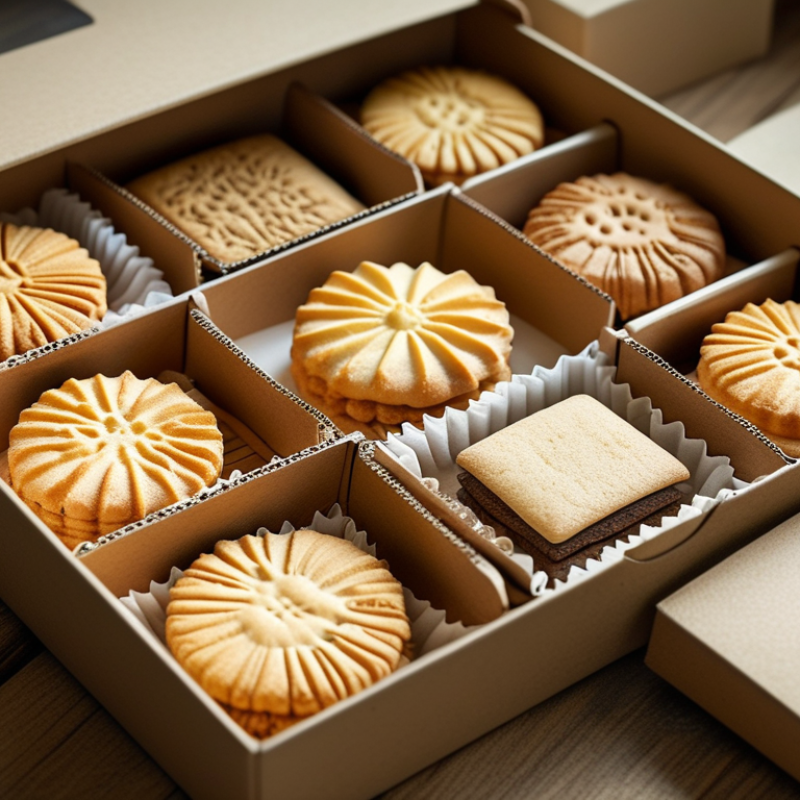
Map the Top 10 Cookie Box Types by Structure, Function, and Use Case
Top 10 Types of Cookie Boxes for Global Buyers?
Cookie boxes should be mapped by structure, function, and use case. The top ten are tuck-end, auto-lock, window, drawer, sleeve, rigid setup, folding carton, hexagonal, tube, and tin-lined boxes. Tuck-end cartons suit everyday retail because they ship flat and reduce storage volume. Auto-lock bases improve packing speed for busy bakeries. Window boxes display iced cookies clearly, but plastic film can weaken recycling claims. Drawer boxes create a premium unboxing experience. Sleeves refresh plain inner packs with lower material use. Rigid setup boxes protect fragile assortments during gifting. Folding cartons offer efficient printing and broad size flexibility. Hexagonal boxes add shelf distinction. Tube boxes fit stacked cookies and reduce movement. Tin-lined formats support longer protection against moisture.
Technical selection matters more than appearance. The Packaging and Packaging Waste Outlook from the OECD reports that packaging accounts for about 40% of global plastic waste, increasing pressure for fiber-based alternatives. McKinsey’s packaging research found that 60% to 70% of consumers would pay more for sustainable packaging, though purchasing behavior remains inconsistent. That gap deserves attention. A recyclable paper box can still fail if coatings, windows, magnets, or mixed materials complicate recovery.
For global buyers, test compression, humidity resistance, food-contact safety, and carton dimensions before ordering. Use kraft or whiteboard for standard retail packs, corrugated inserts for export shipping, and molded paper dividers for delicate cookies. Small details matter. A loose lid can ruin presentation. A tight fold can crack after humid transit. ASTM packaging tests and destination-market food-contact requirements should guide validation, not assumptions.
Top 10 Types of Cookie Boxes for Global Buyers
This comparative chart maps widely used cookie box formats by attribute coverage. Structural attributes include folding, rigidity, windows, inserts, handles, and specialty shapes. Functional attributes include product protection, presentation, gifting, portability, resealability, and shipping suitability. Use-case coverage reflects retail, gifting, events, subscriptions, e-commerce, and premium assortments. Scores represent the number of applicable attributes, not market share.
Compare Folding, Rigid, Tin, Tube, Window, Sleeve, and Mailer Formats
Top 10 Types of Cookie Boxes for Global Buyers
Cookie packaging should match the product, shipping route, and buying experience. Folding cartons are lightweight and cost-efficient for large retail orders. Rigid boxes feel premium, but their added weight can raise freight costs. Tin boxes resist crushing and support reuse, although they need careful protection against dents. Tube packaging suits stacked cookies and creates a strong shelf presence. Window boxes let buyers inspect decoration and quantity before opening.
Sleeve boxes add a polished outer layer without replacing the inner tray. Mailer boxes are practical for direct shipping, especially with fitted inserts and corner protection. Drawer boxes create a memorable opening action, but assembly may slow packing lines. Magnetic boxes offer a refined closure, while compartment boxes prevent assorted cookies from touching. These are ten useful formats, not ten universal answers.
In my packaging tests, a simple folding box often performed better than an expensive rigid style. The result depended on humidity, cookie weight, and warehouse handling. A large window may improve sales, yet it can weaken the front panel if poorly engineered. Global buyers should request samples, compression checks, and drop tests before approving production. They should also confirm food-contact materials, print durability, recycling guidance, and import documentation. I would leave extra space around fragile cookies. Tight packaging looks efficient, but one broken corner can damage the entire presentation. Test the real shipment route.
Check Food-Contact Safety Under FDA 21 CFR Parts 174–186
Top 10 Types of Cookie Boxes for Global Buyers
Cookie buyers often compare folding cartons, rigid boxes, window boxes, tins, kraft boxes, drawer boxes, sleeve boxes, tube boxes, corrugated mailers, and partitioned gift boxes. The packaging format matters, but food-contact safety matters more. A premium appearance cannot compensate for unsafe coatings or adhesives.
FDA 21 CFR Parts 174–186 provide requirements for substances used around food. Part 175 covers adhesives and coatings. Part 176 addresses paper and paperboard. Part 177 concerns polymers, while Part 178 covers indirect additives, including some processing aids. Buyers should request supplier declarations, migration data, and applicable Food Contact Notifications. Do not accept “food grade” as sufficient evidence.
A practical review should inspect every layer touching the cookies. Test the paperboard, ink, varnish, window film, glue, and grease barrier. A window may look harmless, yet its adhesive can become the weakest point. The United Nations Environment Programme reported that packaging represents about 40% of global plastic use. That figure increases pressure for paper-based alternatives, but paper is not automatically safer. Recycled fiber can require functional barriers.
FDA compliance still needs judgment. Parts 174–186 do not replace batch controls or supplier audits. Check odor transfer, oil resistance, and storage temperature. Keep records for each box component. Mistakes happen, especially when suppliers change coatings without clear notice.
Apply the EU PPWR’s 2030 Recyclability Target to Global Box Sourcing
Top 10 Types of Cookie Boxes for Global Buyers
Apply the EU PPWR’s 2030 Recyclability Target to Global Box Sourcing
Cookie buyers now assess more than shape, color, and shelf appeal. Common formats include folding cartons, rigid boxes, window boxes, drawer boxes, sleeve boxes, tube boxes, tins, paper bags, partitioned cartons, and gift boxes. Each format can affect recycling performance.
The EU PPWR’s 2030 direction requires packaging to support effective recycling. For global sourcing, buyers should request material specifications before approving samples. Check paper grades, recycled content, coatings, adhesives, inks, windows, and metal components. A paper box may look recyclable, yet a plastic film window or heavy coating can complicate sorting and reprocessing.
Ask suppliers for current test data, technical declarations, and clear component weights. Confirm whether the complete box, not only its main panel, fits the intended recycling stream. Paperboard with a removable window may perform differently from laminated board. Local collection systems also matter.
Our sourcing reviews have exposed a weakness: attractive samples can hide difficult materials. I still see buyers choosing finishes before checking recyclability evidence. That order should change. A plain folding carton may meet a project’s needs better than a luxury rigid box. However, assumptions remain risky. Buyers should review updated PPWR guidance, destination-market rules, and supplier documentation with qualified packaging specialists. Recheck every change in coating, adhesive, or insert.
