Top 10 Box Sizes You Need to Know for Shipping and Storage?
When it comes to shipping and storage, understanding box sizes is crucial. The right size can save you time and money. Each box size serves a different purpose, whether you are packing delicate items or bulky goods.
Many people overlook this aspect, leading to frustration when items don’t fit properly. Choosing the wrong box can damage products or increase shipping costs. Inadequate packing may result in returns or lost items.
Exploring various box sizes helps avoid these issues. From small boxes for electronics to large ones for furniture, each size has its applications. Knowing these dimensions can enhance efficiency in both shipping and storage, ensuring a smoother process.
Overview of Box Sizes for Shipping and Storage
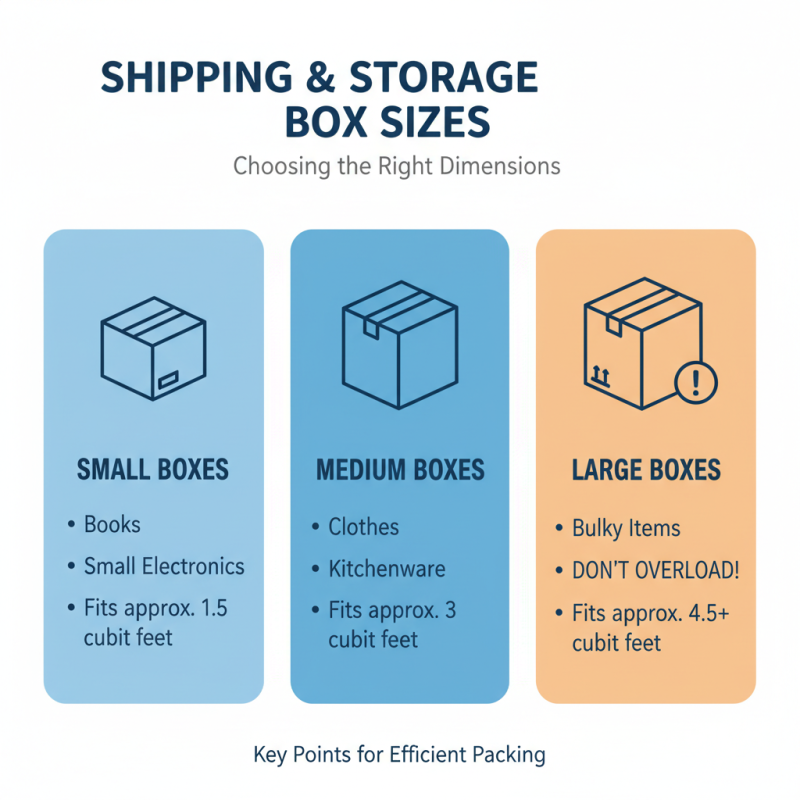
When it comes to shipping and storage, understanding box sizes is crucial. Different items require specific dimensions. For instance, small boxes are ideal for books or small electronics. Medium boxes work well for clothes or kitchenware. Large boxes can hold bulky items, but don't overload them.
**Tips for Choosing the Right Box Size**: Measure your items. This helps avoid using a box that’s too big or too small. A box that's too large can cause items to shift during transport. Too small, and you risk damage. Use padding materials for fragile items. Proper cushioning can prevent breakage.
Some people overlook their box choices. It's easy to grab what's available. But this can lead to shipping delays or increased costs. For instance, using an oversized box may add weight and fees. Take time to evaluate your needs. A little planning can save you money and hassle later.
Common Box Sizes for Various Shipping Needs
When it comes to shipping and storage, understanding box sizes is crucial. The right box can reduce costs and improve efficiency. According to the Packaging Association, nearly 30% of shipping mistakes stem from poorly sized boxes. This statistic highlights the importance of selecting the appropriate size.
Common box sizes fit a wide range of shipping needs. A standard small box, measuring 8x6x4 inches, is perfect for documents or small items. Medium-sized boxes, like 12x12x12 inches, typically hold personal items or gifts. Larger options, such as 24x18x18 inches, are designed for bulkier products. It’s essential to consider not only the item’s dimensions but also its fragility. A fragile item may need extra padding, increasing the box size requirement.
Yet, many still opt for one-size-fits-all solutions, resulting in waste. This can lead to increased shipping costs and damaged goods—issues that can be easily avoided. The right packaging strategy can enhance customer satisfaction and reduce returns. Studies show that well-sized boxes lead to fewer damages, supporting the need for attention to detail when shipping.
Factors to Consider When Choosing Box Sizes
When selecting box sizes for shipping and storage, several factors come into play. The most crucial aspect is the size of your items. Measure your products carefully to determine their dimensions. A box too large can lead to wasted space. It may result in higher shipping costs. On the other hand, a box that is too small can cause damage. Proper fit is essential to protect your goods.
Consider the weight of what you are shipping. Heavier items require sturdier boxes. Thin cardboard may buckle under pressure. For delicate goods, prioritize padding and cushioning materials. This ensures items remain intact during transit. Additionally, think about how many items you can fit per box. Crowding can lead to mishaps. A careful balance is necessary.
Environmental impact also matters. Many are opting for eco-friendly materials. Research options that align with sustainability goals. Remember, the shape of the items plays a role too. Oddly shaped items might need custom boxes. It’s a good idea to reassess box sizes regularly. The right choice can save time and reduce costs.
Top 10 Box Sizes You Need to Know for Shipping and Storage
| Box Size (inches) |
Volume (Cubic Inches) |
Best Use |
Weight Capacity (lbs) |
| 12 x 12 x 12 |
1,728 |
Small electronics, toys |
30 |
| 16 x 16 x 16 |
4,096 |
Clothing, decorative items |
40 |
| 18 x 18 x 24 |
7,776 |
Books, small appliances |
50 |
| 24 x 24 x 24 |
13,824 |
Sporting goods, seasonal items |
70 |
| 30 x 30 x 30 |
27,000 |
Large toys, sculptures |
80 |
| 36 x 36 x 36 |
46,656 |
Beddings, bulky items |
100 |
| 48 x 24 x 24 |
23,040 |
Long items, carpets |
90 |
| 60 x 30 x 30 |
54,000 |
Oversized items, furniture |
150 |
| 72 x 36 x 36 |
92,160 |
Appliances, large equipment |
200 |
Specialized Box Types for Unique Shipping Requirements
When it comes to shipping and storage, specialized box types play a crucial role. Boxes are not one-size-fits-all. Consider fragile items. Using a padded box can make a difference. Bubble wrap can add extra cushioning. These boxes protect your valuables from impacts. You might worry about choosing the right size. A box that’s too large may allow movement, which can lead to damage during transit.
Certain items require unique boxes. For instance, artwork often needs flat boxes if it’s large. Specialized boxes for electronics absorb shocks. But don’t overlook the size! Oddly shaped items can pose challenges. Sometimes it feels like a puzzle to fit everything securely. You may find that standard boxes can't accommodate your needs.
Thinking ahead is essential. As demand grows, so do shipping challenges. Packing efficiently can save costs and headaches. Remember, not every shipping method requires the same box type. Ask questions about your options. The right box matters more than we often realize. Each decision impacts safety and overall experience. Always reflect on what works best for your needs.
Best Practices for Packing and Storing Items in Boxes
When it comes to packing and storing items, choosing the right box size is critical. According to a report by the American Packaging Association, nearly 70% of shipping damage is due to poor packing. Using boxes that are too large can lead to movement inside, increasing the risk of damage. Small items benefit from snug fits, minimizing space for shifting.
It's essential to use packing materials effectively. Cushioning materials like bubble wrap or foam can protect fragile items. A study from the International Safe Transit Association highlights that proper cushioning can reduce the risk of damage by over 30%. However, many overlook the importance of selecting the right box dimensions. Boxes that are too tight can compress items, leading to breakage.
In addition, labeling boxes correctly helps streamline the unpacking process. Clear labels can guide handlers, reducing the time spent searching for specific items. Yet, a survey by the National Association of Professional Organizers found that only 40% of people effectively label their boxes. Accurate labeling can prevent confusion and save time during both packing and unpacking. Sometimes it’s easy to underestimate packaging factors, but they play a vital role in ensuring safe shipping and storage.