Top 10 Packaging Boxes for Every Business Needs and Preferences?
In today's competitive market, choosing the right packaging boxes is critical for businesses. The choice of packaging can impact brand perception, customer loyalty, and even sales. A well-designed packaging box not only protects the product but also enhances brand visibility. Each business has unique needs, which makes the selection process challenging.
Different industries have distinct requirements for packaging boxes. For instance, e-commerce businesses may prioritize durability and security, while retail brands might focus on aesthetics. Understanding these nuances is essential for making informed decisions. High-quality packaging can elevate a product, but it requires careful consideration and planning.
Selecting the best packaging boxes involves balancing cost, functionality, and design. It's easy to overlook the details. Packaging is more than just a container; it is the first impression for customers. Brands must reflect on their options and strive for improvement. Identifying the right boxes can transform a business’s image and performance in the marketplace.
Types of Packaging Boxes Based on Material: A Comprehensive Overview
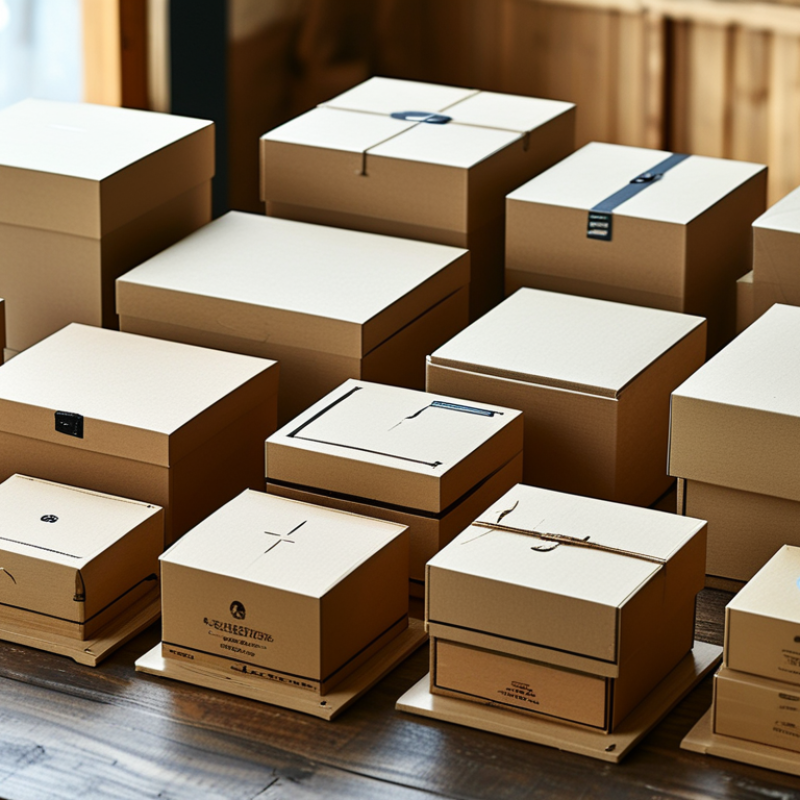
The choice of packaging material significantly impacts business branding and product safety. Cardboard is popular for its cost-effectiveness and recyclability. According to a recent industry report, over 70% of consumers prefer products packaged in cardboard boxes. They see cardboard as eco-friendly, aligning with sustainable practices. This trend benefits businesses aiming for a green image.
Plastic packaging also plays a crucial role in various sectors. This material is lightweight and often more durable than cardboard. It's ideal for products requiring moisture resistance. However, the plastic waste issue is challenging. Recent studies indicate that nearly 80% of plastic waste ends up in landfills. Companies must balance the practicality of plastic with environmental considerations.
Metal boxes, though less common, offer robustness and a premium feel. They are suitable for high-value products but can be costly. As the demand for unique packaging rises, some businesses are exploring innovative materials like biodegradable options. Reports show a 15% yearly growth in the market for biodegradable packaging. Addressing the need for sustainable options is essential for long-term success.
Choosing the Right Size: Importance of Dimensions in Packaging Boxes
Choosing the right size for packaging boxes is critical for businesses. Dimensions affect not only the aesthetics but also the functionality of the packaging. A well-sized box can minimize damage during shipping, reduce costs, and enhance customer experience. According to the Packaging Industry Association, 40% of products are returned due to inadequate packaging. This emphasizes that size matters at every stage of the supply chain.
When selecting dimensions, consider the product's shape and fragility. A snug fit reduces movement within the box, lowering the risk of damage. However, oversized boxes can lead to wasted materials and higher shipping costs. The Right Size Report from Supply Chain Digest reveals that companies can save up to 30% on shipping by optimizing box dimensions. Additionally, the environmental impact is significant; reducing excess space can lower the carbon footprint of logistics.
Reflecting on these practices is essential. Many businesses overlook the importance of testing various box sizes. The initial savings might be tempting, but improper sizing can lead to revenue losses over time. Striking a balance between cost and functionality requires continuous evaluation. Experimenting with different dimensions may uncover better options for specific products.
Customizable Packaging Solutions: Tailoring Boxes to Brand Needs
Customizable packaging solutions are crucial for businesses aiming to align their brand with customer expectations. A recent study indicates that about 72% of consumers prefer customized packaging. Tailoring boxes to reflect brand identity can create memorable experiences. This enhances customer loyalty and drives repeat purchases.
The manufacturing landscape is evolving. Research suggests that companies investing in customized packaging see a 30% higher conversion rate. This highlights the effectiveness of bespoke solutions in capturing audience attention. Flexible designs can meet diverse needs. Brands can choose sizes, shapes, and materials that resonate with their target demographics.
However, challenges persist. Not all businesses execute strategies effectively. Some miss the mark by using generic designs that fail to tell their brand story. It is essential to regularly assess packaging’s effectiveness. Businesses must seek feedback and adapt their approaches. Continuous improvement can lead to packaging that not only protects products but also enhances brand visibility.
Sustainable Packaging Options: Eco-Friendly Choices for Businesses
Sustainable packaging has become a priority for businesses aiming to reduce environmental impact. A study from McKinsey shows that 60% of customers prefer brands that use eco-friendly packaging. This preference is driving companies to seek sustainable options that meet both consumer expectations and regulatory standards.
Packaging waste contributes significantly to global pollution. According to the World Economic Forum, 300 million tons of plastic waste are generated annually. Many businesses are exploring biodegradable materials and recycled content. Paper and cardboard are being used more frequently, with a report from Smithers stating that the market for sustainable packaging is expected to grow by 5% annually.
Adopting eco-friendly options may come with challenges. Sourcing sustainable materials can be costlier, which may deter smaller businesses. Additionally, ensuring durability while maintaining a green profile poses design complications. Yet, the long-term benefits often outweigh these hurdles. As consumer awareness grows, businesses that prioritize sustainability could gain a competitive edge in their industry.
Understanding Cost-Effective Packaging: Balancing Quality and Budget
In today's competitive market, businesses face the challenge of balancing costs and packaging quality. Choosing the right packaging can enhance the product's appeal. It can also impact customer perception. Materials and designs play a crucial role in this selection process. The right packaging should reflect the brand's identity while keeping expenses under control.
Cost-effective packaging doesn't mean compromising on quality. Many businesses find it beneficial to explore materials that are both affordable and durable. For instance, using recycled cardboard can save money while being environmentally friendly. However, cheap packaging may not offer the protection needed during shipping. Considerations should include the product's fragility. It's vital to assess whether the packaging can withstand various conditions.
Investing time in designing packaging can pay off. Creativity can lead to stunning results without a hefty price tag. Engaging with packaging experts may yield innovative ideas. However, overdesigning can lead to unnecessary costs. Striking the right balance often requires reflection on both budget and aesthetic goals. Continuous evaluation of packaging strategies may reveal areas for improvement.
Top 10 Packaging Boxes for Every Business Needs and Preferences
| Packaging Type |
Material |
Dimensions |
Cost (per unit) |
Best For |
| Folding Cartons |
Paperboard |
12"x9"x3" |
$0.35 |
Retail Products |
| Rigid Boxes |
Chipboard |
10"x7"x4" |
$2.50 |
Luxury Items |
| Mailer Boxes |
Corrugated |
14"x10"x4" |
$1.00 |
E-commerce |
| Plastic Boxes |
Plastic |
8"x6"x3" |
$1.80 |
Small Electronics |
| Window Boxes |
Kraft Paper |
6"x6"x2" |
$0.70 |
Bakery Items |
| Takeout Boxes |
Paper |
7"x7"x4" |
$0.50 |
Food Services |
| Gift Boxes |
Cardstock |
9"x5"x3" |
$1.25 |
Personal Gifts |
| Shrink Wrap |
Plastic |
Varied |
$0.10 |
General Packaging |
| Cupcake Boxes |
Cardboard |
10"x10"x5" |
$0.90 |
Bakery Products |