Top Uses for Cardboard Boxes You Never Knew About
In today's fast-paced world, cardboard boxes are often taken for granted, primarily seen as mere containers for shipping and storage. However, the versatility of these humble boxes goes far beyond their conventional uses. Renowned packaging expert Dr. Jonathan Finch emphasizes the potential of cardboard boxes, stating, “Their flexibility and sustainability make them a valuable resource in countless applications.” From innovative DIY projects to efficient organizational tools, the creative uses for cardboard boxes are limited only by our imagination.
As we delve into the top uses for cardboard boxes that you may never have considered, we will explore how they can be transformed into functional furniture, art pieces, or even educational tools. The eco-friendly nature of cardboard also presents an opportunity for environmentally-conscious individuals to repurpose materials that would otherwise contribute to waste. By understanding the exceptional potential of cardboard boxes, we can not only declutter our spaces but also embrace a more sustainable lifestyle.
Join us on this exploration to uncover the myriad ways cardboard boxes can be repurposed, proving that they are not just for shipping but can also enhance our everyday lives in unexpected and innovative ways.
Creative Storage Solutions with Cardboard Boxes
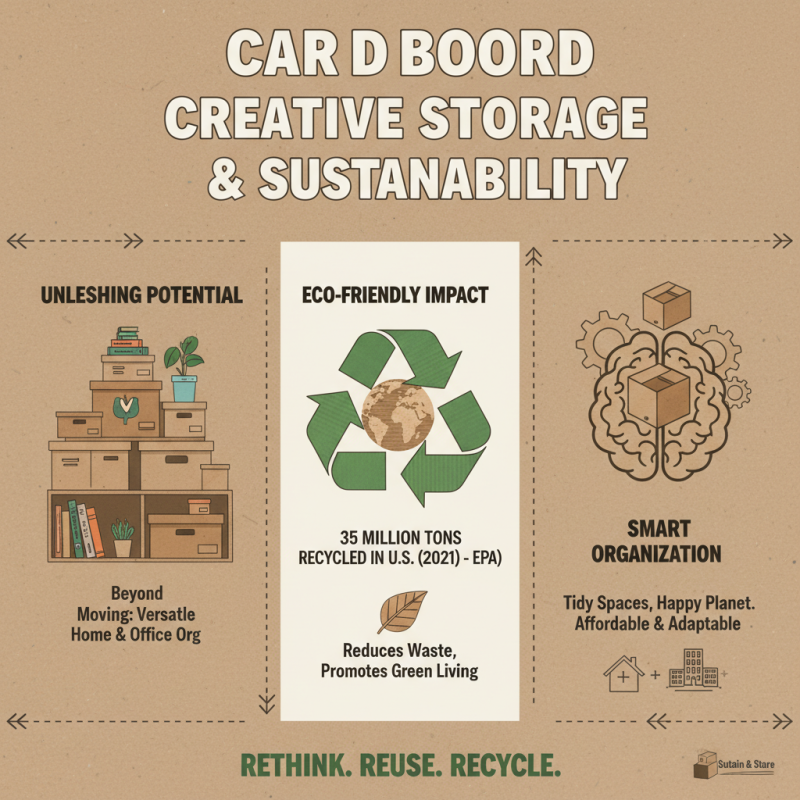
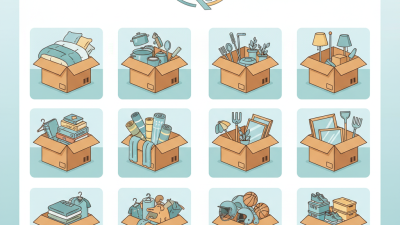
Cardboard boxes are often underestimated in their potential for creative storage solutions. Beyond their conventional use for moving and packing, these versatile containers can greatly enhance organization in homes and offices. According to a report from the Environmental Protection Agency (EPA), Americans recycled about 35 million tons of cardboard in 2021, indicating a growing awareness of sustainable practices. Utilizing cardboard boxes not only improves organization but also contributes to eco-friendly living.
One innovative way to use cardboard boxes is by transforming them into stylish storage solutions. With a bit of creativity, you can cover boxes with decorative paper or paint them to match your décor. Additionally, using dividers inside boxes can help keep smaller items organized. A study by the Container Store revealed that 76% of participants felt decluttering their environment led to improved focus and productivity. Therefore, incorporating aesthetically pleasing cardboard storage can enhance both functionality and visual appeal.
Tips for maximizing cardboard storage include labeling each box clearly to identify contents at a glance and stacking them in a way that is both accessible and space-efficient. Another suggestion is to use different sizes of boxes for various items, ensuring that larger items are stored in sturdier boxes to prevent collapsing. Crafting specific locations for each box based on its contents can further streamline your organization efforts, allowing you to use space more effectively and reduce clutter.
Innovative DIY Projects Using Cardboard Materials
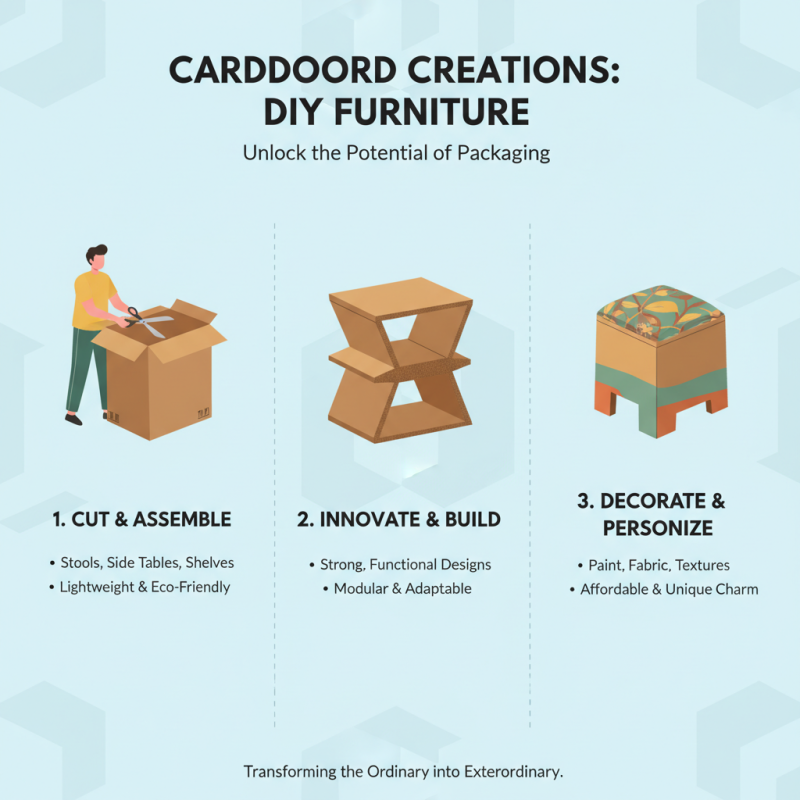
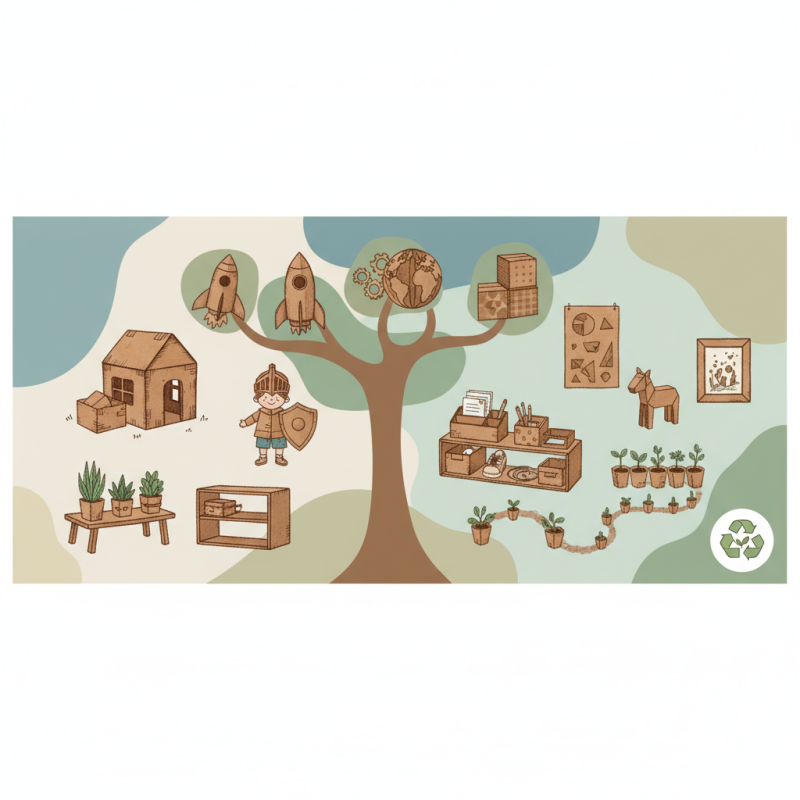
Cardboard boxes are often overlooked as mere packaging materials, but they offer plenty of creative potential for DIY enthusiasts. One innovative project is transforming cardboard into functional furniture. By cutting and assembling boxes into designs like stools or side tables, you can create lightweight, eco-friendly pieces that add character to any room. With a little paint and upholstery fabric, these pieces can become visually appealing without the hefty price tag typically associated with new furniture.
Another exciting use for cardboard is crafting decorative items. Cardboard can be used to create intricate wall art, seasonal decorations, or even children's toys. For instance, designing a cardboard mobile or 3D wall decorations allows for personalization and a unique touch to your living space. By utilizing various cutting and folding techniques, the possibilities are endless—from geometric shapes to themed displays that can change with the seasons, cardboard can be a versatile medium for artistic expression. Embracing these innovative DIY projects not only promotes creativity but also contributes to sustainable practices by repurposing what would otherwise be waste.
Practical Uses of Cardboard Boxes in Home Organization
Cardboard boxes are often overlooked in the realm of home organization, yet their versatility makes them an underrated asset. According to a report by The Freedonia Group, the global demand for corrugated boxes is expected to grow by 3.8% annually, reflecting their increasing acceptance not only in shipping but also for various organizational purposes. One practical way to utilize cardboard boxes is by repurposing them for storage. They can be transformed into labeled containers for seasonal decorations, clothing, or children's toys, maximizing vertical space and keeping your home clutter-free.
In addition to storage, cardboard boxes can also serve as customizable organizers. A study from the National Association of Professional Organizers revealed that over 90% of individuals surveyed indicated that they feel more productive in organized spaces. By cutting and decorating cardboard boxes, you can create tailored solutions for office supplies, craft materials, or even documents. This not only promotes a tidy environment but also encourages recycling and sustainability, as it minimizes waste and provides a second life to materials that would otherwise be discarded. Embracing these practical uses for cardboard boxes not only enhances home organization but also contributes positively to environmental efforts.
Top Uses for Cardboard Boxes You Never Knew About
| Use |
Description |
Benefits |
| Storage |
Organizing seasonal clothing, holiday decorations, or other items. |
Maximizes space and keeps items safe and accessible. |
| Craft Projects |
Creating art, toys, and home décor items. |
Encourages creativity and can be a fun activity for kids. |
| Seedling Pots |
Using sections of cardboard boxes to start seedlings before transplanting. |
Biodegradable and environmentally friendly option. |
| Pet Beds |
Making cozy beds for pets using flattened boxes. |
Cost-effective and can easily be replaced when worn out. |
| Wall Art |
Crafting unique shapes and designs for wall decorations. |
Adds a personal touch and is often inexpensive. |
Eco-Friendly Gardening and Planting Ideas with Cardboard
Cardboard boxes are often seen as simple storage solutions, but they can play a significant role in eco-friendly gardening. One innovative approach is to use cardboard as a weed barrier. By laying down flattened cardboard sheets on the soil before planting, you can suppress weed growth while simultaneously allowing water and nutrients to reach your plants. This method not only reduces the need for harmful herbicides but also helps retain moisture in the soil, making it an excellent choice for conservation-minded gardeners.
Another fantastic use for cardboard in gardening is as a natural compost material. When shredded and added to your compost pile, cardboard enriches the mix, providing a good source of carbon, which is essential for balanced composting. As it breaks down, it enhances aeration, ensuring that the composting process proceeds efficiently. Additionally, using biodegradable materials like cardboard helps divert waste from landfills, further promoting environmental sustainability. Overall, incorporating cardboard into gardening practices not only supports plant health but also aligns with eco-friendly principles.
Top Uses for Cardboard Boxes in Eco-Friendly Gardening
Artistic Creations: Transforming Cardboard into Unique Crafts
Cardboard boxes, often perceived as mere packaging materials, are surprisingly versatile in the realm of artistic creations. With an increasing emphasis on sustainability and eco-friendliness, artists and crafters are turning to cardboard as a primary medium for innovative projects. According to a report from the Royal Society of Arts, approximately 60% of consumers embrace creative reuse, contributing to a significant rise in DIY activities. This shift not only promotes recycling but also encourages individuals to express their creativity through unique crafts.
Transforming cardboard into art can take many forms, whether it's constructing intricate models, crafting wall art, or even building furniture. The lightweight nature of cardboard allows for easy manipulation, making it an ideal choice for artists of all skill levels. A study by the American Craft Council estimates that over 30% of crafters utilize recycled materials, with cardboard leading the charge. This trend not only aids in managing waste but also inspires a sense of pride in handmade, one-of-a-kind creations that can enhance any living space. As more people recognize the creative potential of cardboard, it is transforming from a disposable item into a treasured resource for artistic expression.