What is UVLED Flatbed Printing and How Does It Work?
UVLED Flatbed Printing is revolutionizing the printing industry with its advanced technology. James Taylor, an expert in the field, states, “UVLED technology offers efficiency and versatility unmatched by traditional methods.” This printing technique utilizes ultraviolet light to cure inks, resulting in high-quality prints on various substrates.
Unlike conventional printing, UVLED Flatbed Printing allows for immediate drying, which speeds up production. It opens doors to creativity, enabling vibrant colors and intricate designs. Fabrics, wood, and metals are all fair game. However, with innovation comes challenges. The equipment can be costly and requires proper training for optimal use.
Despite its advantages, some companies may hesitate to adopt UVLED Flatbed Printing due to the initial investment. They might see it as risky or unnecessary. The technology is promising, but companies must weigh the potential benefits against their specific needs. By acknowledging these challenges, businesses can better prepare for the future of printing.
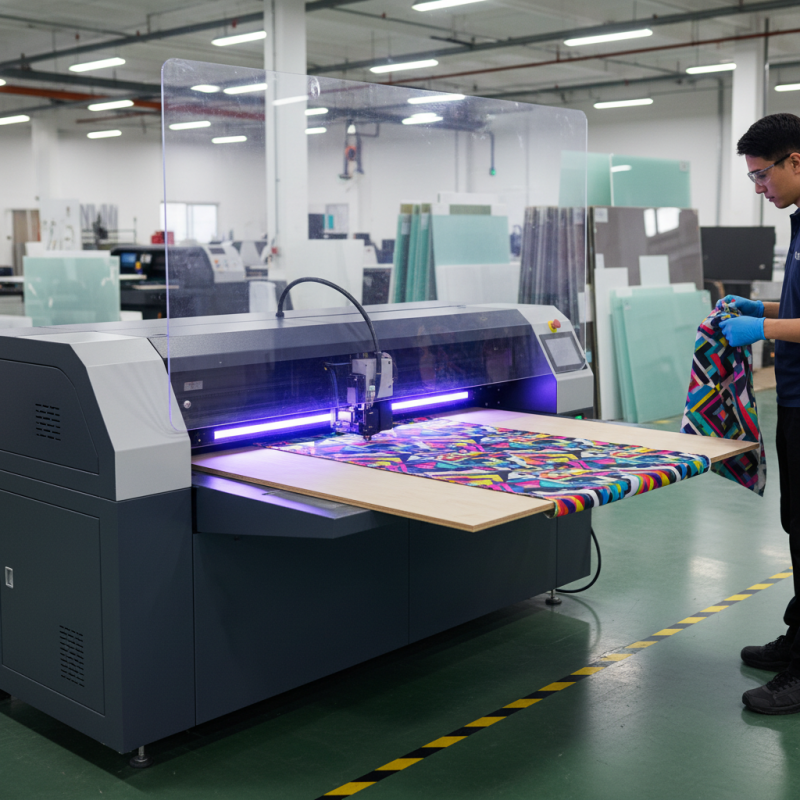
What is UVLED Flatbed Printing?
UVLED flatbed printing is a versatile technology gaining traction in various industries. It employs ultraviolet (UV) light to cure or dry ink as it is printed. This method allows for printing on a wide range of substrates, including wood, glass, and metal. According to a recent report by Smithers Pira, the global UV printing market is expected to grow by 10% annually. This growth reflects the increasing demand for high-quality and durable prints.
One of the significant advantages of UVLED flatbed printing is its environmental benefits. The inks used are often free of volatile organic compounds (VOCs), which contributes to greener production processes. Additionally, the curing process is almost instant, reducing waste associated with traditional printing methods. However, the technology does have its constraints, such as the higher initial investment for equipment and the need for specialized training to operate the machines effectively.
Another factor to consider is the adaptability of UVLED printing technology. While it excels in producing vibrant colors and detailed images, the choice of substrate can limit its applications. Not every material reacts well to UV curing, which might affect overall print quality. As the industry progresses, continuous advancements will hopefully expand its capabilities. Yet, businesses must weigh the pros and cons before fully committing to this innovative printing method.
Understanding the Technology Behind UVLED Printing
UVLED flatbed printing represents a significant advancement in printing technology. This method utilizes ultraviolet light to instantly cure or dry the ink as it is printed. The result is precise, vibrant images with excellent durability on a variety of surfaces. Common substrates include wood, plastic, glass, and metal.
Understanding the mechanics behind UVLED printing can be complex. The process begins with the printer laying down layers of ink. As the UV LEDs radiate light, the ink undergoes a chemical reaction. This reaction transforms the liquid ink into a solid form almost immediately. This means faster production times and reduced waiting for drying.
Tips: When selecting materials for UVLED printing, consider the surface texture. Smooth surfaces yield better results. Test different inks for color fidelity. Not every ink works on every substrate. Keep an eye on print quality. Imperfections can happen, especially with thicker layers of ink. Regular maintenance of the printer is crucial for consistent output.
Key Advantages of UVLED Flatbed Printing
UVLED flatbed printing is gaining popularity due to its unique advantages. This technology uses ultraviolet light to cure ink as it is printed. The ink hardens quickly, allowing for immediate handling of printed items. It is efficient and reduces waiting times. Many businesses are turning to this method for both speed and quality.
One key advantage is versatility. UVLED printers can print on a wide range of materials. This includes wood, metal, glass, and plastic. The ability to print directly onto surfaces opens new creative possibilities. However, this diversity can lead to inconsistent results. Each material reacts differently to UV curing. Adjustments are often necessary, which requires experience and skill.
Another benefit is environmental friendliness. UV inks emit fewer volatile organic compounds (VOCs) than traditional inks. This means healthier working conditions. Still, it is essential to consider the sustainability of the materials used. Not all substrates are eco-friendly. Businesses must reflect on their choices to ensure they are making a positive impact.
Step-by-Step Process of UVLED Flatbed Printing
UVLED flatbed printing is an innovative technology revolutionizing the printing industry. This process allows for high-quality images to be printed directly onto a variety of substrates, including wood, metal, glass, and acrylic. The UV LED lights cure the ink instantly, resulting in vivid colors and sharp details. It's suitable for both large and small print runs.
During the UVLED flatbed printing process, the substrate is placed on a flatbed. The printer moves the print head over the surface, precisely applying UV ink. Once the ink is deposited, the UV LEDs activate, curing the ink immediately. This ensures faster production times and reduces waste. According to recent industry reports, UV printing has grown by 20% annually, reflecting its rising popularity.
Tips: Prepare your substrate properly. Any oils or dust can affect print quality. Always run a test print before starting a larger job. Regular maintenance of your printer is crucial. Clogged nozzles or dirty lamps can lead to inconsistent prints. Staying informed about industry trends can help optimize your printing process.
Applications and Uses of UVLED Flatbed Printing
UVLED flatbed printing is transforming various industries. This technology uses UV light to cure inks instantly. As a result, it allows for high-quality prints on diverse surfaces, including wood, glass, and metal. According to Smithers Pira, the UV printing market is projected to grow by 8.4% annually, reaching over $16 billion by 2026.
Applications are abundant. In signage, UVLED printing enables vibrant colors and sharp details. Graphics on building exteriors benefit from UV durability. In packaging, brands utilize this technology to stand out. Reports indicate that about 30% of packaging companies are shifting to UV printing for its efficiency and environmental benefits.
However, challenges remain. While UVLED inks offer durability, they may be more expensive. The initial investment in UV equipment can also be daunting. Some businesses might find the learning curve steep. Balancing quality and cost is essential. Addressing these challenges is crucial for sustained growth in this innovative sector.
