Why Choose Plastic Box for Your Packaging Needs?
When considering packaging solutions, the material choice plays a critical role. Among various options, the Plastic box stands out for its versatility. This type of container is widely used in industries ranging from food to electronics. Its lightweight nature allows for easy transportation, while its durability protects products during shipping.
Plastic boxes come in various shapes and sizes. They can be customized to meet specific needs. This adaptability is a significant advantage. However, it is essential to consider environmental impacts. While plastic boxes are practical, they can contribute to waste. Balancing convenience and sustainability is vital in today's market.
Investing in a quality plastic box can enhance your brand's reputation. Customers appreciate reliable packaging that keeps products safe. Nevertheless, evaluating each option critically is necessary. Not all plastic boxes are created equal. Selecting the right one involves understanding both benefits and drawbacks.
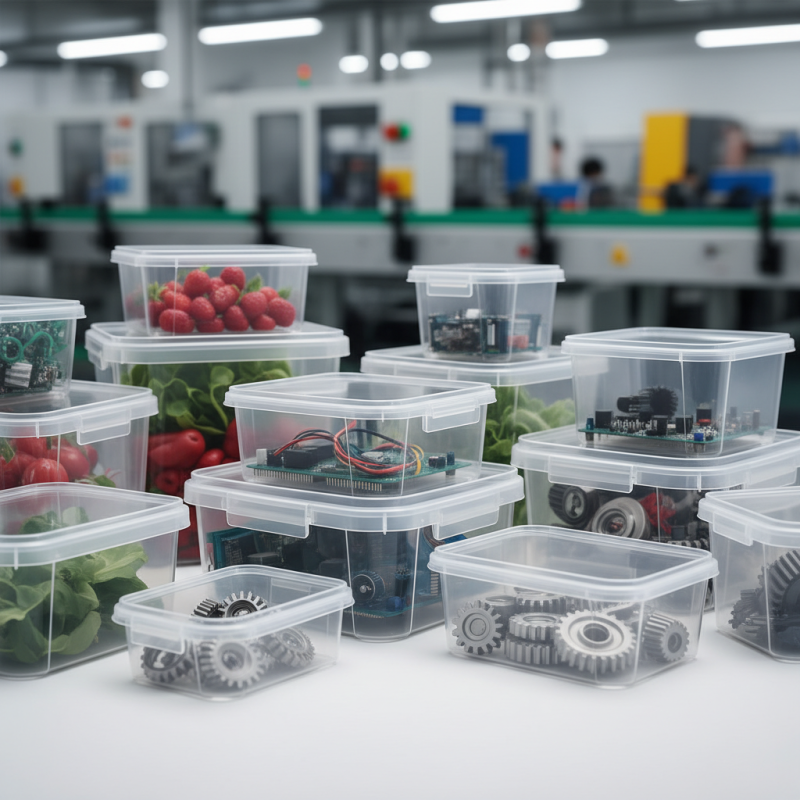
Benefits of Using Plastic Boxes for Packaging Solutions
Plastic boxes are increasingly preferred for packaging solutions. Their versatility and durability make them a top choice in various industries. According to a report by Smithers Pira, the global plastic packaging market is projected to grow by 3.5% annually, reaching nearly $500 billion by 2025. Such growth highlights the effectiveness of plastic boxes in meeting diverse packaging needs.
One significant benefit of plastic boxes is their lightweight nature. This makes them ideal for shipping and storing items efficiently. They reduce transportation costs. Additionally, they are resistant to moisture, chemicals, and impacts. This durability ensures that products remain safe and intact. A study by Grand View Research indicates that the food and beverage sector is a major driver for plastic packaging, accounting for over 30% of market share. Such data underlines the practicality of using plastic boxes where product preservation is critical.
Despite these advantages, there are concerns about environmental impact. Plastic waste is a pressing issue. Many countries are focusing on recycling and sustainable solutions. However, advancements in biodegradable plastics are underway. The shift toward eco-friendly materials could address these concerns. The balance between utility and sustainability remains a topic for ongoing reflection within the industry.
Versatility of Plastic Boxes Across Various Industries
Plastic boxes have gained immense popularity across various industries due to their adaptability and functionality. The global plastic packaging market is projected to reach $500 billion by 2028, with plastic boxes playing a significant role in this growth. Their lightweight nature reduces shipping costs. In the food industry, these boxes protect products while ensuring compliance with safety standards. They are often easier to clean and sanitize compared to cardboard alternatives.
In retail, plastic boxes enhance brand visibility with custom designs. Research indicates that 70% of consumers prefer packaging that is visually appealing. The durability of plastic boxes allows for repeat use, aligning with sustainability goals. However, the environmental impact of plastic waste remains a concern. Many companies are now reevaluating their packaging strategies to incorporate biodegradable options.
Electronics also benefit from plastic packaging. These boxes provide excellent protection against shocks and static, ensuring product integrity. In a recent study, 85% of electronics manufacturers reported reduced damage rates when using plastic boxes. While the versatility of plastic boxes is undeniable, an industry-wide reflection on material sourcing and end-of-life solutions is crucial for sustainable progression.
Cost-Effectiveness of Plastic Box Packaging Options
When considering packaging solutions, plastic boxes stand out for their cost-effectiveness. They offer durability and versatility, making them suitable for various products. The initial investment may appear higher than paper options, but plastic boxes save money in the long run. They resist moisture, which helps preserve products. This characteristic can reduce waste and minimize replacement costs.
Consider the weight of your products. Lightweight plastic boxes can reduce shipping costs significantly. Efficiency in transport leads to overall savings. Furthermore, reusability is a major advantage. Many plastic boxes can serve multiple purposes before needing replacement. This not only aids in sustainability but also enhances cost efficiency.
Tips: Explore local suppliers for better pricing. Compare different designs to find the most functional option. Pay attention to the thickness of the plastic; it can affect both durability and cost. Ultimately, being mindful of these factors can yield substantial financial benefits over time.
Durability and Protection Offered by Plastic Boxes
Plastic boxes have become a popular choice for packaging due to their impressive durability and protective qualities. According to a report by the Plastics Industry Association, the global plastic packaging market is expected to reach $500 billion by 2025. This growth reflects a rising demand for materials that can withstand various environmental conditions. Plastic boxes are engineered to resist moisture, impacts, and chemicals, making them ideal for a wide range of products.
Moreover, they offer a lightweight alternative to traditional packaging materials. The reduced weight leads to lower transportation costs. For instance, a study by the Flexible Packaging Association noted that lightweight packaging can reduce shipping costs by up to 30%. Additionally, while plastic boxes can be recycled, the recycling rate is still a concern, with only about 9% of plastic waste being recycled globally. This highlights the need for better waste management practices.
In terms of user experience, plastic boxes are versatile. They can be molded into various shapes and sizes, catering to specific product needs. However, the challenge remains in finding sustainable solutions. The industry must address the environmental impact while maintaining the protective benefits that make plastic boxes appealing. Balancing durability and sustainability is a complex task. It invites ongoing reflection on how to innovate responsibly in the packaging sector.
Sustainability Considerations in Plastic Box Manufacturing
Sustainability is a crucial aspect of modern packaging solutions. Plastic box manufacturing has made strides in eco-friendly practices. Many producers now implement recycling programs. They source materials from recycled plastics. This reduces the carbon footprint associated with new plastic production.
Some manufacturers also invest in biodegradable options. While these materials may not fully decompose in landfills, they break down faster than traditional plastics. However, questions remain about the complete lifecycle of these products. Are they truly a sustainable choice? Each company's commitment to eco-friendliness varies.
Transparency in sourcing and production methods is essential. Businesses should provide information on their practices. Consumers need to ask questions about the materials used. Understanding the impacts of packaging choices fosters informed decisions. The journey toward sustainability requires ongoing reflection and improvement. Each step, even small changes, contributes to a larger goal.
Plastic Box Packaging Sustainability Comparison
