Top Corrugated Boxes for Global Buyers How to Choose?
Choosing the right corrugated boxes is essential for global buyers. Corrugated boxes are a preferred packaging option for many industries due to their durability and versatility. They provide excellent protection for products during transit and storage. With a variety of options available, selecting the best corrugated boxes can be overwhelming.
Buyers should consider factors like size, strength, and material quality. The right box must fit products properly to prevent damage. Evaluating suppliers is equally crucial. Many companies claim to offer quality, but not all meet standards. It's vital to review customer feedback and certifications before making a choice.
In the quest for the perfect corrugated box, buyers may face challenges. Misalignment between needs and available options can lead to issues. However, understanding your requirements helps mitigate risks. Learning from previous experiences can also guide better decisions. Trusting reliable sources enhances confidence in your choices.
Understanding Corrugated Box Types for International Markets
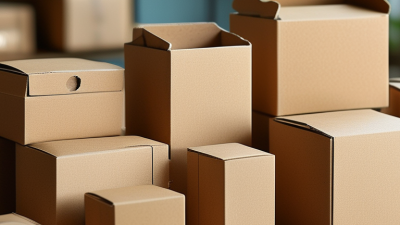
Understanding the types of corrugated boxes is crucial for international markets. They provide protection for goods during shipping and storage. The main types include single-wall, double-wall, and triple-wall boxes. Each type offers different levels of strength and durability.
Single-wall boxes are lightweight and cost-effective. They are ideal for lighter products. However, they might not withstand heavy handling.
Double-wall boxes offer more strength due to their two layers. They are suitable for medium-weight items. For heavy or fragile goods, triple-wall boxes are the best choice. They ensure maximum protection but can be more expensive.
It's essential to assess your product needs before choosing. Consider weight, fragility, and shipping distances. Not all corrugated boxes are equal. Some may not meet specific international standards. Additionally, the box size and design matter for logistics efficiency. Carefully reflecting on these elements can lead to better packaging choices.
Key Factors to Consider When Selecting Corrugated Boxes
When selecting corrugated boxes, several key factors come into play.
Understanding the weight and dimension of your products is crucial.
Larger and heavier items may require sturdier boxes with greater thickness.
Make sure to gauge the protective qualities needed for your items.
This often leads to a choice between single-wall and double-wall boxes.
The type of material used in the box is also significant.
Flute size and paper quality affect the box's durability.
An understanding of the specific requirements, like moisture resistance or recyclability, can enhance product safety.
Not all manufacturers adhere to the same standards.
Research and verify sourcing practices to ensure reliability.
Lastly, cost considerations should never overshadow quality.
It can be tempting to opt for cheaper options, but they may not provide adequate protection.
Reflect on the cost versus the potential risk of damage to your products during transit.
Finding the right balance often means investing more initially for long-term benefits.
Comparing Materials: Strength and Durability of Corrugated Boxes
Choosing the right corrugated box involves understanding the materials that contribute to strength and durability. Corrugated boxes are primarily made from fluted paper sandwiched between two liners. Various factors affect their performance, including the type of paper used and the flute size. According to the Fibre Box Association, high-performance corrugated boxes can withstand significant loads and are up to three times stronger than standard boxes.
When comparing materials, consider the box's cushioning ability and resistance to impacts. The ECT (Edge Crush Test) rating is a critical indicator of a box's strength. Boxes with a higher ECT offer better stacking strength, which is essential for shipping and storage. Reports indicate that 32 ECT boxes can support a load of approximately 65 pounds, while 44 ECT boxes can handle around 95 pounds.
Strength is not the only consideration. Durability plays a role during transport and storage. Many corrugated boxes now resist moisture, which can prolong the life of the product inside. However, environmental factors may still compromise their integrity. An improperly stored box may lose strength over time. Assessing both strength ratings and the intended use of the boxes will guide buyers in making informed choices.
Sustainability Practices in Corrugated Box Production
Sustainability has become critical in corrugated box production. The industry's shift towards environmentally friendly practices is gaining momentum. According to a 2022 report from the Fiber Packaging Association, around 80% of corrugated products are made from recycled materials. This statistic showcases the commitment to sustainability.
Using responsibly sourced materials is essential. Forest Stewardship Council (FSC) certification ensures that paper comes from sustainably managed forests. Many companies have adopted renewable energy in their production processes. This reduces carbon emissions and fossil fuel dependency. However, challenges remain. Not all manufacturers comply with eco-friendly practices, leading to variable product quality.
When selecting corrugated boxes, look for certifications. Check for recycled content percentages on packaging. This helps guide your choices. Choose suppliers that prioritize waste reduction strategies. Engaging with manufacturers committed to reducing their environmental footprint is crucial. It fosters a more sustainable supply chain. Overall, being informed about production practices can lead to better purchasing decisions.
Top Corrugated Boxes for Global Buyers - How to Choose? - Sustainability Practices in Corrugated Box Production
| Box Type |
Material Type |
Weight Capacity (kg) |
Recycled Content (%) |
Sustainability Feature |
| Regular Slotted Container |
Double-Wall Corrugated |
30 |
100 |
Biodegradable coatings |
| Die-Cut Box |
Single-Wall Corrugated |
20 |
85 |
Sourced from sustainable forests |
| Folder Box |
Post-Consumer Recycled Kraft |
15 |
100 |
Water-based inks |
| Straight Tuck Box |
Heavy-Duty Corrugated |
25 |
90 |
Low-impact production processes |
Cost Analysis: Budgeting for Your Corrugated Box Needs
When budgeting for corrugated boxes, it's essential to consider various factors. The average cost of corrugated packaging can vary significantly. For instance, market reports indicate that the price range is typically between $1.50 to $3.00 per square foot. This inconsistency arises due to material quality, box design, and manufacturing processes.
Several key aspects should guide your budgeting decisions. First, box dimensions play a critical role in overall expenditure. Custom sizes can incur higher costs due to production complexities. Additionally, the choice between single-wall and double-wall boxes affects pricing. A double-wall option may cost 20-30% more but offers improved durability for heavier items.
Sustainability initiatives can also impact your budget. Utilizing recycled materials may reduce costs by about 15%, according to industry analyses. However, sourcing eco-friendly alternatives could initially require a higher investment. Balancing these components—cost, sustainability, and quality—is vital for making informed decisions on corrugated box purchases.
Cost Analysis of Top Corrugated Box Options for Global Buyers