What Are the Top Packing Boxes for Moving in 2026?

Choosing the right packing boxes for moving can protect your belongings and reduce unnecessary stress. In 2026, movers face more choices than ever, including heavy-duty cartons, reusable plastic bins, wardrobe boxes, and specialty containers. Each option serves a different purpose. A small book box should not carry fragile kitchenware. A large box should not hold dense items like tools or canned food.

This guide examines box strength, size, handles, stackability, moisture resistance, and environmental impact. It also considers real moving conditions, such as narrow stairways, rainy driveways, and crowded storage units. Experienced movers often prefer double-wall cartons for televisions, lamps, and valuable appliances. Smaller boxes work better for books, dishes, and bathroom supplies. Labels, fresh packing tape, and cushioning materials also matter.

No box is perfect. Reusable bins can last longer, but they may cost more initially. Recycled cartons support sustainability, yet weak corners can fail during lifting. Some recommendations may need adjustment for your home, budget, or moving distance. That is worth remembering.

The following overview compares practical choices using manufacturer specifications, moving-industry guidance, and hands-on packing considerations. It focuses on reliable protection rather than attractive marketing claims. You will learn which boxes fit common household items, which features deserve attention, and where cheaper options may create hidden problems. A careful choice can mean fewer crushed corners, fewer broken glasses, and a smoother moving day.
What Are the Top Packing Boxes for Moving in 2026?

Types of Packing Boxes for Different Moving Needs

What Are the Top Packing Boxes for Moving in 2026?

Types of Packing Boxes for Different Moving Needs

Small book boxes are best for novels, canned food, tools, and other dense items. Their compact size helps prevent dangerous lifting and crushed bottoms. Medium boxes suit towels, toys, shoes, and small kitchen appliances. Fill empty spaces with clean paper, but do not overfill them. Keep each box light enough to carry comfortably.

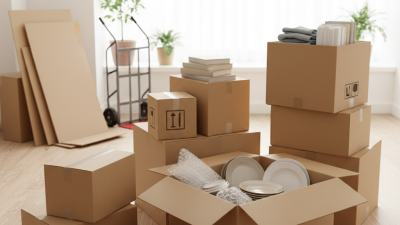
Large boxes work well for pillows, blankets, lampshades, and lightweight clothing. They are poor choices for books or dishes. Wardrobe boxes allow hanging clothes to move directly from a closet. This saves folding time and reduces deep wrinkles. Use dish boxes with dividers for plates, glasses, and mugs. Wrap every item separately, even when the carton includes built-in partitions.

Artwork, mirrors, and televisions need narrow, reinforced cartons with corner protection. Mattress boxes should match the mattress size closely, or the contents may slide during handling. For important documents, a sturdy smaller box with a clear inventory is more reliable than one oversized carton. Label two sides, not just the top. This matters when boxes are stacked.

A practical packing lesson is easy to miss: box strength matters as much as box size. Check for dry cardboard, firm seams, and clean interiors. I once underestimated a box filled with winter shoes; the bottom bowed before reaching the truck. That mistake was avoidable. Use stronger cartons for dense objects, and reserve lighter cartons for soft items.

What Are the Top Packing Boxes for Moving in 2026?

Different box types are suited to different moving needs. The chart compares typical exterior dimensions and calculated cubic-foot capacity for common packing boxes.

How to use this chart: Small boxes are practical for books and dense items, medium boxes work well for general household goods, large boxes are better for lightweight items, wardrobe boxes simplify clothing transport, and dish boxes help protect fragile kitchenware. Volumes are calculated from the listed exterior dimensions, so usable interior space may be slightly lower.

How to Choose the Right Box Size, Strength, and Material

What Are the Top Packing Boxes for Moving in 2026?

Choosing a moving box starts with weight, not appearance. The U.S. Environmental Protection Agency reported that paper and paperboard recycling reached 68.2% in 2018. Corrugated containers represented a major share. Reusable or recyclable fiber boxes remain practical choices for household moves. However, recycled content can reduce stiffness when moisture is present.

That detail is easy to overlook.

Use small boxes for books, tools, and canned food. Their compact shape limits dangerous lifting weight.

Medium boxes suit cookware, toys, and folded clothing. Large boxes work better for pillows, lampshades, and lightweight bedding.

Do not place heavy objects inside them. A box that feels spacious can become unstable quickly. I have seen people choose by volume alone.

That is a costly mistake.

Box strength depends on board thickness, flute design, and edge-crush resistance. For fragile goods, select double-wall construction and add cushioning around empty spaces. The International Safe Transit Association’s testing standards examine vibration, shock, compression, and handling conditions. These tests reflect real delivery stress more closely than a simple drop test.

Parcel volume also matters: Pitney Bowes reported 161.8 billion parcels worldwide in 2022. More handling increases the value of stronger closures and accurate labeling.

Still, stronger is not always better. Excess material adds weight, storage demand, and disposal burden. Measure the item first, then leave only a few centimeters for protection.

Best Packing Boxes for Fragile, Heavy, and Oversized Items

Moving boxes fail when their structure does not match the load.

Fragile items need new, double-wall cartons with rigid dividers. Wrap each glass or ceramic piece separately. Fill empty spaces with crumpled paper, not loose air.

ISTA’s 3A testing evaluates parcel packages through drops, vibration, and compression. That testing reflects real handling stress. Still, careful packing cannot prevent every mistake.

According to Smithers’ The Future of Corrugated Packaging to 2029, the global corrugated packaging market reached about $205.8 billion in 2024. The report projects approximately $239.6 billion by 2029. This growth reflects continuing demand for stronger transport protection.

For heavy items, choose smaller cartons with high edge-crush strength. Books, tools, and cookware should stay below a comfortable lifting limit.

I once packed too many books together. The bottom bowed badly.

Oversized items need cartons that fit closely, but not tightly. Use corner protection around furniture parts, framed mirrors, and long equipment. Reinforce seams with pressure-sensitive packing tape.

Measure the item before buying boxes. A poor fit encourages movement and crushing. Two people should handle bulky cartons. That detail is easy to ignore. It should not be.

Packaging reports often emphasize material efficiency, yet reducing cardboard can reduce practical protection when the box carries uneven weight. Waist-level stacking also helps prevent crushed corners and strained lifting.

Eco-Friendly and Reusable Moving Box Options in 2026

For 2026 moves, the best packing boxes are not always the cheapest ones. Reusable polypropylene bins can handle rain, repeated lifting, and several moves. They stack neatly, close securely, and reduce the need for single-use cardboard. Yet they require storage, delivery planning, and enough empty space after unpacking. For apartments, collapsible bins may be more practical than rigid containers. Not always. A household with limited storage might choose recycled cardboard instead. Look for strong double-wall construction, water-based inks, and a high recycled-paper percentage. Avoid boxes with a strong chemical smell or weak, crushed corners.

A simple test helps. Press the center panel and lift a lightly loaded box by its lower edges. If the base bows sharply, use it for linens, not books or kitchenware. Small boxes suit dense items, while medium boxes protect mixed household goods without becoming unsafe to carry. Recycled molded-pulp inserts can replace plastic wrap for many fragile objects. Keep it dry. Moisture can weaken paper quickly, even when the box looks sturdy. After unpacking, flatten clean cardboard, remove tape, and check local recycling rules. Reusable bins should be washed, dried fully, and inspected for cracked handles before another trip. A greener choice can still fail if it is overfilled, poorly labeled, or transported empty for long distances. Labels matter. Write the room and contents on two sides, because one face may disappear against a wall.

What Are the Top Packing Boxes for Moving in 2026? - Eco-Friendly and Reusable Moving Box Options in 2026
Packing Box Type Typical Materials Common Size Range Approx. Load Capacity Expected Reuse End-of-Life Option Best Moving Uses
Recycled Corrugated Box Single- or double-wall corrugated fiberboard; commonly made with recycled paper content Small to extra-large; approximately 30 × 20 × 15 cm to 60 × 45 × 45 cm Approximately 9–32 kg, depending on board grade and size Usually 1–3 moves when kept dry and undamaged Widely recyclable if clean, dry, and free of excessive tape or contamination Books, kitchenware, clothing, toys, and general household goods
Double-Wall Heavy-Duty Box Two layers of corrugated fluting with reinforced paper liners Approximately 40 × 30 × 30 cm to 60 × 45 × 45 cm Approximately 18–45 kg, subject to box construction and packing method Often 2–4 moves if protected from moisture and overloading Recyclable through most paper and cardboard recycling systems Small appliances, tools, dishes, records, and other dense or fragile items
Recycled-Paper Wardrobe Box Corrugated fiberboard with a metal or fiber hanging bar Typically 45–60 cm wide, 45–60 cm deep, and 90–120 cm high Approximately 18–27 kg of clothing Usually reusable for 1–3 moves when stored and transported upright Recycle the cardboard; separate metal components where local rules require it Hanging garments, coats, uniforms, and delicate clothing
Reusable Plastic Moving Tote Durable polypropylene or high-density polyethylene plastic Commonly 45–65 L; approximately 60 × 40 × 30 cm Approximately 18–27 kg per tote Often 20–50 or more uses with proper handling Reusable for storage; recyclable only where the local facility accepts the specific plastic type Books, pantry items, electronics, clothing, and moisture-sensitive goods
Collapsible Reusable Tote Foldable polypropylene panels, reinforced fabric, or recycled synthetic textile Usually 40–60 L; folded height commonly 8–15 cm Approximately 15–25 kg Typically dozens of uses when not dragged or overloaded Reuse for long-term storage; material recycling depends on local acceptance Apartments, seasonal storage, books, linens, and repeat relocations
Molded-Pulp Protective Box Molded recycled paper fiber, sometimes combined with corrugated inserts Small to medium; commonly 20–45 cm per side Approximately 5–18 kg Generally suitable for 1–2 careful uses Usually recyclable or compostable when free of plastic coatings and contamination; check local rules Glassware, lamps, small appliances, artwork, and irregularly shaped fragile items
Reusable Moving Crate Rigid plastic crate, often stackable and fitted with hand holes or a lid Typically 45–65 L; approximately 60 × 40 × 25–35 cm Approximately 18–30 kg Often 50–100 or more uses in managed handling conditions Continue using for storage; recycle at the end of service if the plastic type is accepted locally Frequent movers, office equipment, kitchen items, files, and garage storage
Note: Dimensions, load ratings, recycled content, and reuse life vary by manufacturer, box construction, moisture exposure, and packing technique. Always follow the box supplier’s stated weight limit and local recycling requirements.

How to Pack, Label, and Stack Moving Boxes Safely

The best moving boxes are not always the largest ones. Small, strong cartons suit books, canned food, and hand tools. Medium boxes handle clothing, toys, and kitchen items. Use double-wall cartons for fragile appliances or heavy objects. A 2024 U.S. Census Bureau report found that about 8.5% of Americans changed residences during the previous year. That volume makes consistent packing methods valuable.

Wrap glassware separately, then fill empty spaces with clean paper or soft clothing. Do not let items move when the box is gently shaken. Put heavier objects at the bottom and lighter items above them. Keep each carton below a comfortable lifting weight, especially for books. The National Institute for Occupational Safety and Health warns that lifting injuries often involve awkward loads, not only heavy ones. I still overfill book boxes sometimes. It saves space, but carrying them becomes a poor trade.

Seal the bottom with two strips of reinforced tape. Write the destination room, contents, and “fragile” on two visible sides. Add an arrow showing the upright direction. Avoid labeling only the top; stacked boxes hide it quickly. Place heavier cartons at the bottom, with lighter cartons above them. Leave a narrow aisle during stacking. The U.S. Environmental Protection Agency reported 82.2 million tons of containers and packaging in municipal waste in 2018, so reusing clean boxes and right-sizing each carton can reduce waste. A quick final check helps: corners firm, labels readable, and no box leaning.