What Are the 2026 Top Types of Boxes for Moving House?
Moving house is not simply a matter of filling cardboard containers. A weak corner can collapse beside a doorway, while an oversized carton may crush fragile dishes under its own weight. The 2023 American Community Survey reported that millions of Americans change residences each year, keeping demand for reliable boxes for moving house remarkably steady. Meanwhile, Smithers’ report, The Future of Corrugated Packaging to 2028, identifies continued growth in corrugated packaging, driven by durability, affordability, and recyclability.
Practical experience still matters. Michael O’Leary, a moving consultant and former operations manager, says, “The right box should match the item, not merely the available space.” That principle sounds obvious. Many households ignore it. Small book cartons, medium general-purpose boxes, wardrobe cartons, dish packs, and heavy-duty double-wall boxes each solve different problems. A wardrobe box protects hanging clothing from wrinkles. A dish pack uses thicker walls and internal dividers. A double-wall carton offers extra resistance around tools, appliances, and dense books.
This guide examines the top box types for moving house in 2026. It considers load strength, handling comfort, moisture exposure, storage limits, and reuse potential. The best choice is rarely the cheapest box. It is the box that prevents damage without creating unnecessary weight. Still, packaging advice is not perfect. Room size, travel distance, climate, and personal packing habits can change the answer. A careful mover should test the base, reinforce weak seams, and avoid trusting a box simply because it looks clean.
Box Types for Moving House in 2026: An Overview
What Are the 2026 Top Types of Boxes for Moving House?
Box Types for Moving House in 2026: An Overview
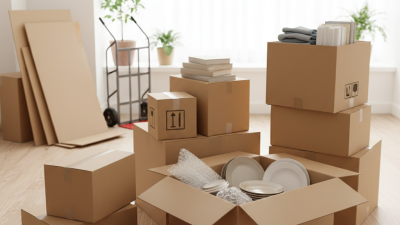
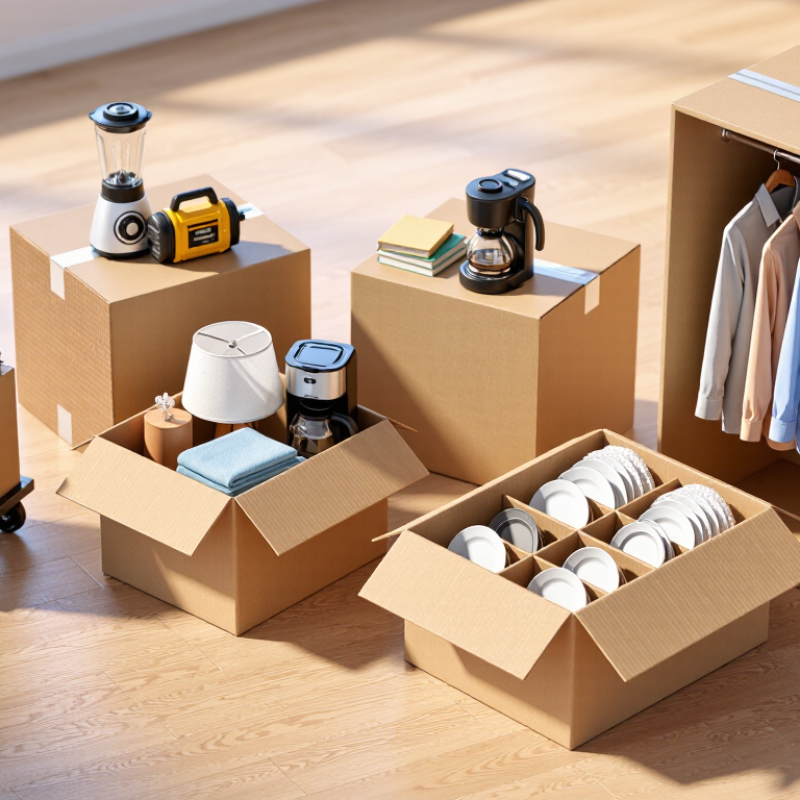
Moving boxes now serve different household risks, not just different sizes. Small book boxes protect heavy items without becoming unsafe to lift. Medium general-purpose boxes suit cookware, toys, and folded clothes. Large boxes work better for pillows, lampshades, and lightweight bedding. They become awkward when filled with books.
Wardrobe boxes keep hanging clothes upright and reduce creasing. Dish-pack boxes use thicker walls and internal dividers for plates, glasses, and bowls. Mirror boxes protect framed artwork, while narrow television cartons fit fragile screens more closely. Reusable plastic crates are also practical for short moves, especially in apartments with limited storage.
The U.S. Environmental Protection Agency reported 33.3 million tons of corrugated boxes in its 2018 packaging dataset. Its reported recycling rate reached 96.5%. That figure supports choosing recyclable, right-sized cartons, although household recycling access still varies widely.
Tips: Mark each box with its room, weight, and opening side. Add a simple “fragile” note, but do not rely on labels alone. Wrap corners with clean paper and fill empty spaces. International Safe Transit Association testing guidance highlights cushioning and controlled movement, not appearance. In practice, I still overpack large cartons sometimes. It saves boxes, but it increases lifting risk and crush damage. A smaller box often performs better. Check the base before carrying it downstairs.
Standard Cartons for Books, Clothes, Kitchenware, and General Items
What Are the 2026 Top Types of Boxes for Moving House?
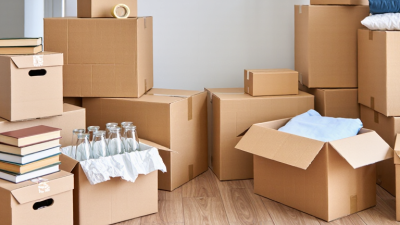
In 2026, standard cartons remain practical for books, clothes, kitchenware, and general household items. A reliable move starts with choosing the right size, not filling every box completely. Small, strong cartons work best for books because paper becomes heavy quickly. Keep each carton light enough to lift without twisting your back. I prefer packing several small boxes instead of one overloaded container. It takes more tape, but handling feels safer.
Medium cartons suit toys, appliances, decorations, and everyday items. Clothes fit well in larger cartons, especially when folded or placed inside clean bags. Leave a little space near the top, so fabric does not become crushed. Kitchenware needs more care. Wrap plates separately, place them vertically, and cushion empty spaces with clean paper or soft towels. Glasses should stand securely, with padding between each piece. Fragile items should never share a box with heavy tools or books.
Label every carton on two sides, including its room and contents. This simple habit saves time when boxes are stacked against a wall. Use fresh cartons with dry, firm corners; worn cardboard can fail without warning. I still sometimes pack a box too heavily, despite knowing better. That mistake is easy to repeat during a tiring move. Check the base, seal the seams, and lift carefully. Keep pathways clear. Small details matter.
What Are the 2026 Top Types of Boxes for Moving House?
Standard cartons for books, clothes, kitchenware, and general household items
Box selection depends on item weight and volume. Small book cartons help prevent heavy loads, medium cartons suit kitchenware and mixed household items, large cartons provide more space for lightweight belongings, and wardrobe cartons allow clothes to remain hanging. Capacities are approximate and based on common standard carton dimensions.
Specialty Boxes for Wardrobes, Electronics, Mirrors, and Fragile Belongings
In 2026, specialty moving boxes make difficult household items safer to handle. Wardrobe boxes are especially useful for suits, dresses, and coats. Their tall design keeps clothing hanging and reduces deep wrinkles. Add a few soft garments around the sides. Do not overfill the box. Heavy clothing can weaken the base.
Electronics need snug, protective packaging. Use boxes close to each device’s size, with firm cushioning on every side. Remove batteries when appropriate, and photograph cable connections before packing. For televisions and monitors, keep screens upright whenever possible. Never place heavy boxes on top. I have found that reused packaging sometimes looks strong but has hidden crush damage. Check every seam carefully.
Mirrors and framed artwork need rigid protection, not just bubble wrap. Place corner guards over exposed edges, then use a fitted carton or two overlapping boxes. Mark the glass side clearly, but remember labels cannot prevent careless lifting. Fragile dishes, lamps, and ornaments need separate inner wrapping and small, stable cartons. Fill empty spaces with clean paper or soft fabric. Loose items shift during transport. They often break against one another. Measure unusual belongings before buying boxes, because a poor fit creates pressure points. I still occasionally choose convenience over perfect sizing, and that mistake usually costs extra time.
Eco-Friendly, Reusable, and Space-Saving Moving Box Options
What Are the 2026 Top Types of Boxes for Moving House?
In 2026, moving boxes should protect belongings without creating unnecessary waste. Recycled corrugated boxes remain practical for books, cookware, and folded clothes. The U.S. Environmental Protection Agency reported 67.4 million tons of paper and paperboard packaging waste in 2018. About 40.1 million tons were recycled. Strong recycled cartons can support a lower-impact move when used carefully and recycled afterward.
Reusable plastic moving totes suit apartments, offices, and repeated relocations. They resist rain, stack evenly, and usually include secure lids. Foldable crates save space after unpacking. They can slide beneath a bed or stand inside a narrow closet. However, reuse matters. A tote used once may not justify its material and delivery footprint. That detail is easy to miss.
Wardrobe boxes reduce folding and protect jackets from deep creases. Small book boxes prevent heavy loads from becoming unsafe to lift. For fragile dishes, double-wall cartons and molded paper inserts offer better protection than loose wrapping.
The Sustainable Packaging Coalition stresses that packaging choices should consider material sourcing, recovery, and actual use.
My practical preference is mixed: reusable totes for heavy or valuable items, recycled cartons for dry, lightweight goods. Perfect packaging does not exist. Poorly sized boxes still waste space, even when their materials look green.
How to Match Box Types with Household Items and Moving Requirements
A good moving plan starts with the item, not the box. The U.S. Census Bureau reported that 28.3 million people moved during 2022–2023. That scale shows why accurate box matching matters. Small, double-wall cartons suit books, canned food, and tools. Keep each box below 30 pounds. Heavy cartons become difficult and unsafe to lift.
Medium cartons handle folded clothing, toys, and kitchen equipment. Large cartons work better for pillows, blankets, and lampshades. Do not place dense items inside them. A wardrobe box protects hanging clothes, while a dish-pack carton needs dividers for plates and glasses. Flat mirror boxes fit framed artwork and screens. Measure fragile pieces first. Guessing often creates crushed corners.
During packing work, I have noticed one mistake repeatedly: people fill every empty space. That increases movement inside the carton. Use clean paper or soft textiles as cushioning, but leave no loose gaps. The International Safe Transit Association’s 3A testing guidance emphasizes shock, vibration, and compression resistance during distribution. Moving trucks create similar stresses. The U.S. Environmental Protection Agency’s 2022 Facts and Figures report also identifies paper and paperboard as major packaging waste materials, so reuseable cartons deserve careful handling. Check for moisture, weak seams, and old compression damage. A box may look fine and still fail. Label room, weight, and orientation clearly. Short labels help.