How to Pack Boxes for Moving efficiently

Packing boxes for moving is less about filling every gap and more about making each box safe, balanced, and easy to unpack. A box packed in a hurry can split at the bottom or hide the one mug you need on your first morning. Small choices matter. Use sturdy boxes, group similar items, and keep heavier objects near the bottom. Marie Kondo, the professional organizer and author, writes, “The question of what you want to own is actually the question of how you want to live your life.” That idea can guide packing, too: decide what deserves space before wrapping and boxing it.

This guide explains how to choose box sizes, gather practical supplies, and pack room by room. It also covers wrapping fragile dishes, filling empty spaces, and keeping box weights manageable. A clear label on the top and side can save time when boxes are stacked. So can a simple list of what each box contains. Still, no method makes moving perfectly tidy. You may misjudge how many books fit in a carton, or discover that one “miscellaneous” box has become three. Adjust as you go. The aim is not flawless packing; it is fewer broken items, less searching, and a smoother first night in your new home.
How to Pack Boxes for Moving efficiently

Gathering Supplies and Selecting Suitable Box Sizes

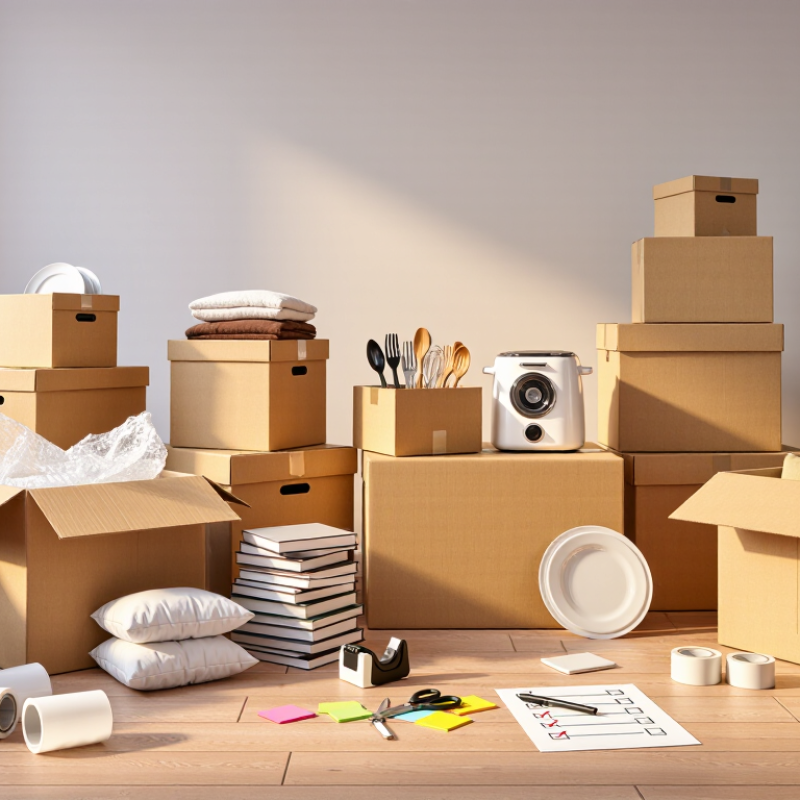
Gather sturdy cartons, packing tape, paper cushioning, a marker, and a simple inventory sheet before packing. Check every reused box for damp patches, crushed corners, and weak seams. A box that looks fine may still fail under weight. I still find box sizing easy to misjudge, especially when a pile of books looks smaller than it is.

Use small cartons for books, tools, and dishes; medium ones for kitchenware and folded clothes; and larger boxes for light items such as bedding. Keep heavy objects low and distribute weight evenly. If you cannot lift a filled box comfortably, split it. Keep it simple. Cushion fragile items with crumpled paper, then fill gaps so contents do not shift when the carton tilts. The U.S. Environmental Protection Agency’s 2018 Advancing Sustainable Materials Management report estimated that 96.5% of corrugated boxes were recycled, compared with 68.2% of all paper and paperboard. Reusing clean, sound cartons can reduce waste, but recycling figures are not a reason to trust a damaged box. Label two sides with the room and contents; add “fragile” only where it helps handlers. An inventory list is useful, though it will not catch every misplaced item. Even careful packing has small surprises.
Sorting Items and Preparing Them for Packing

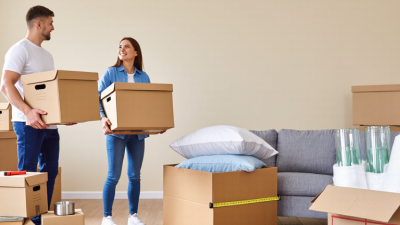
Before packing, sort belongings by how you use them, not just by room. Make simple groups: keep, donate, recycle, and set aside for daily use. A mug used every morning should not disappear into a box labeled “kitchen.” Small choices like this make unpacking easier.

Check each item as you sort. Wipe dust from shelves and let clean dishes dry fully before wrapping them. Pair loose parts with their furniture, and place screws in a small, labeled bag. Keep the bag with the item it belongs to. Take a quick photo of tangled cords before separating them; it can save guesswork later. Don’t overthink every object. A sorting pile can become its own mess.

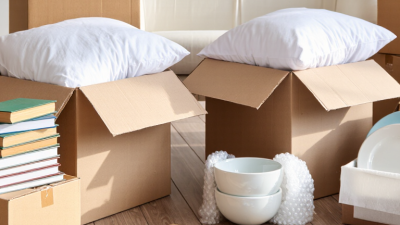
Prepare boxes by gathering sturdy cartons, packing paper, tape, and a thick marker. Put heavier items, such as books, in smaller boxes so they are safer to lift. Line the bottom with crumpled paper, then group similar items together. Label each box with its contents and destination room. Be specific. “Kitchen: glasses” helps more than “miscellaneous.” Even with careful sorting, one drawer may still surprise you; leave a little time for those last-minute decisions.

Packing Heavy, Fragile, and Oddly Shaped Items

How to Pack Boxes for Moving Efficiently
Packing Heavy, Fragile, and Oddly Shaped Items

Heavy objects are easier to carry in small boxes. Put books, tools, or canned goods in a sturdy carton, and keep the weight manageable. Place heavier items at the bottom, then fill gaps with crumpled paper or folded towels. Keep it low. A box that feels awkward before it is sealed will be harder to lift later. Tape the bottom seam securely, and label the box with its contents and approximate weight.

Wrap fragile items separately, including handles and corners. Set plates on edge rather than stacking them flat, and cushion the spaces between pieces. Glasses need padding inside and around them. Gently shake the box before closing it. No rattling. If you hear movement, add more cushioning; “fragile” written on the outside cannot prevent damage by itself. Avoid making the box so full that the top presses against delicate items.

Odd shapes need support, not just extra wrapping. Remove detachable parts from lamps or furniture when practical, and wrap each piece separately. For a curved or long object, use a box that fits closely, then brace the empty spaces with paper or soft cloth. Check that nothing shifts when you tilt the carton slightly. Packing is rarely perfect. I sometimes overfill a box to save space, then regret the strained seams; a second, smaller box is often the safer choice.

How to Pack Boxes for Moving Efficiently - Packing Heavy, Fragile, and Oddly Shaped Items

Item Type Preparation Packing Method Box or Protection Key Safety Tip
Books and other heavy items Sort by size and remove loose inserts or bookmarks. Pack books flat or spine-down, filling gaps so they cannot slide. Use a small, sturdy box; keep the packed box at a manageable lifting weight. Spread weight across several small boxes rather than filling one large box.
Plates and serving dishes Wrap each piece individually with packing paper or protective wrap. Place plates vertically on edge, with cushioning between each piece. Use a strong box with a cushioned bottom and fill all empty spaces. Do not leave dishes loose; movement inside the box can cause breakage.
Glasses and stemware Wrap each glass separately, including handles and stems. Stand glasses upright and separate them with cushioning or cell dividers. Choose a snug box with padding on the bottom, sides, and top. Keep heavier glassware below lighter pieces and mark the box as fragile.
Mirrors and framed artwork Cover the glass with removable painter’s tape in a loose X, if appropriate. Wrap the item and protect corners with cardboard or corner guards. Use a mirror or picture box, or sandwich the item between rigid panels. Transport large framed items upright and secure them to prevent shifting.
Lamps and lampshades Remove bulbs, harp, and shade; pack small parts in a labeled bag. Wrap the base separately. Pack shades in their own box without pressing on them. Use a box sized to the shade and cushion the lamp base on all sides. Do not stack items on top of lampshades, which can dent or crush easily.
Electronics and small appliances Disconnect cables and accessories; photograph connections before unplugging. Wrap each device and secure loose cords separately. Use the original packaging when available, or a sturdy box with cushioning. Make sure devices are dry and cool before packing; follow manufacturer guidance for batteries.
Oddly shaped sports equipment Remove detachable parts and protect sharp or projecting ends. Bundle similar pieces together and secure them so they cannot swing or slide. Use a long box or protective wrap; reinforce exposed ends with cardboard. Keep pointed ends covered and label protruding or unusually long items clearly.
Floor lamps, curtain rods, and other long items Disassemble where possible and keep fasteners in a labeled bag. Wrap each piece and tape the bundle at several points without damaging the surface. Use a long, narrow box or a protective sleeve sized to the item. Secure the bundle so it cannot roll, bend, or obstruct walkways during loading.
Small furniture and awkward household items Remove shelves, legs, or handles when practical; bag and label hardware. Wrap corners and edges, then cover the item with a moving blanket or protective material. Use a box only if the item fits securely; otherwise protect and carry it separately. Keep drawers and doors closed with removable straps or tape that will not damage finishes.
Liquids and cleaning supplies Check that containers are tightly closed and follow local rules for restricted materials. Place eligible containers upright in a leak-resistant bag and keep them separate from fragile goods. Use a sturdy, lined box only for permitted items; transport hazardous products as directed. Do not pack flammable, corrosive, or otherwise hazardous products with ordinary household goods.

Filling Gaps and Securing Boxes for Transport

A box can look full and still have dangerous empty pockets. Place heavier items at the bottom, then cushion fragile pieces on every side with crumpled paper or clean packing material. Small voids matter. Gently shake the box; if anything shifts, add cushioning rather than packing items tighter. Keep contents below the flaps so they close without pressure. Seal the center seam and both edge seams with packing tape. The International Safe Transit Association’s Procedure 3A evaluates parcel packages through hazards such as drops and vibration; its test sequence varies with package details. A household box is not a certified test sample, but the principle is useful: expect movement.

Use enough filler to stop shifting, not so much that the box bulges. Check the bottom corners and seams, especially on boxes holding books or dishes. I still find it easy to mistake a firm lid for a secure load; the contents can move underneath it. The U.S. Environmental Protection Agency’s 2018 Advancing Sustainable Materials Management report records 82.2 million tons of containers and packaging generated in the United States, or 28.1% of municipal solid waste. That figure is not specific to moving supplies, but it is a reason to reuse clean cushioning where practical. Retire crushed boxes; tape cannot restore their strength.

How to pack efficiently: Use sturdy boxes, place heavier items at the bottom, and distribute weight evenly. Fill empty spaces snugly with cushioning so contents cannot shift, then tape the seams securely. The bars count the suggested checklist actions in each stage; they are not measured test results.

Labeling and Organizing Packed Boxes for Moving

Write on at least two sides of every box, not just the top. Boxes may be stacked or turned during a move, hiding a single label. Use a room name and a brief contents list, such as “Kitchen: mugs, tea, measuring cups.” Add “FRAGILE” only when careful handling is genuinely needed, and mark which side should face up for items that must stay upright. Keep labels large and dark enough to read from a few feet away. A strip of colored tape can help identify rooms, but keep the written label too.

Group boxes by destination room, then number them if you want to track what has arrived. A simple list on your phone can note each number and its key contents; it is especially useful when several boxes look alike. Mark one box “Open first” for essentials like towels, a kettle, and phone chargers. Keep that label specific. “Important” tells you very little when you’re tired. I once wrote only “bedroom” on several boxes and spent too long hunting for sheets. Not my best system. Leave a little space on each label to update it if the contents change while packing.